
Descripción del Producto
Descripción del Producto
OEM Cast Iron Casing Housing Gearbox of CHINAMFG Process
We can offer you investment casting parts, railway casting parts, railway parts, excavator machinery
parts, mining machinery parts, engineering machinery, agricultural machinery parts, sand casting,
bucket tooth, auto parts, stamping & forging, and valve parts. We are capability in manufacture
non-standard metal machining.
1. Investment casting sand casting/ lost wax casting/precision casting/gravity casting/
stainless steel casting/carbon steel casting/ die casting/cookware handle casting/pan
handle casting/home hardware casting;
2. Materials: Carbon steel, stainless steel, alloy steel and duplex steel, wcc, wcb, lcc,
color metal etc;
3. Surface treatment: Heat treatment, machining, polishing, anodizing, hard anodizing,
galvanized, enp, chrome plating, powder coating and painting;
4. Software for specification drawings: Pdf, auto CAD, CHINAMFG work, proe;
5. Main production equipments: Wax injection, CNC-machine, heat treatment furnace;
6. Quality assurance in accordance with ISO9001: 2015, strict material inspection and
exact dimension control, 100% quality control.
7. OEM order is welcome;
8. The parts can be made completely based on your specifications such as drawing,
design, sample etc.
9. Export Markets: Australia Investment Casting / Precision Casting, America, United
States. U. S. A. Investment Casting / Precision Casting, Canada Investment Casting /
Precision Casting; U. K. England, Britain Investment Casting / Precision Casting, Germany.
Production capacity:
1. Casting classification: Sand casting; Precision casting; Vacuum process casting etc.
2. Gray iron, ductile iron, stainless steel, carbon steel, alloy steel, etc.
3. Adoption standard: BS, DIN, ASTM GB etc.
4. Weight range: 0.5~5000kg.
5. Producing capacity: 2, 000 tons per month.
6. Main application: Metallurgy; Machinery; Plastics; Rubber; Pharmaceutical;
Textiles; Mining; Paper-making; Packaging.
7. Main equipments: Furnaces; Heat treatment furnaces; Direct-reading spectrometer; Shot -blasting
equipments, etc.
8. Surface treatment: Polishing, plating, shot blasting, heat treatment, etc
9. Inspection and test: Foundry in home, third part inspection, Material report, UT, MT, RT, and
PT, etc…
10. Packing and shipping: Stand export packing; 20day make modul & sample; Delivery time against
your quantity.
11. Casting service: Your logo, character, trade name, number etc can be casted on the
surface clearly.
| Carbon steel castings |
ASTM A216-Gr. WCB, Gr. WCA, Gr. WCC; ASTM-415-205, 450-240, 485-275, 80-40; DIN- GS-C25(1.0619), GS-38(1.571), GS-45(1.0446), GS-52(1.571), GS-60(1. 0571 ); JIS-SC410, SC450, SC480, SCC5; BS-A1, A2, A5; NF-GE230, GE280, GE320, GE370 |
Soluble glass sand moulding Resin-sand moulding Lost wax casting (Investment casting) Lost foam cast Shell-core cast Electric-furnace smelting |
| Stainless steel castings |
ASTM-CF-8M, CF-8, CA-15, CA-40, 316, 304; DIN-G-X6CrNi18 9(1.4308), G-X7Cr13(1.4001) G-X20Cr14(1.4571), 1.4408; JIS-SCS13, CHINAMFG 1, CHINAMFG 2, CHINAMFG 14A; BS-304C15, 410C21, 420C29, 316, 304; NF-Z6CND18.12M, Z6CN18.10M, Z12C13M, Z20C13M |
Soluble glass sand moulding Resin-sand moulding Lost wax casting (Investment casting) Electric-furnace smelting |
| Alloy steel castings |
DIN-GS-40Mn5(1.1168), GS-20Mn5(1.1120); GS-37MnSi5(1.5122), GS-34CrMo4(1.7220); JIS-SCMn3, SCW480, SCSiMn2, SCCrM3, SCMnCR3; ASTM-LCC UNS-J57105, J13048 NF-G20M6, G35CrMo4 |
Soluble glass sand moulding Resin-sand moulding Lost wax casting (Investment casting) Electric-furnace smelting |
1. Q: Why choose CHINAMFG product?
A: We CHINAMFG have our own plant HangZhou CHINAMFG machinery Co., Ltd, therefore, we can
surely promise the quality of every product and provide you comparable price.
2. Q: Do you provide OEM Service?
A: Yes, we provide OEM Service.
3. Q: Do you provide customized products?
A: Yes. Customers give us drawings and specifications, and we will manufact accordingly.
4. Q: What is your payment term?
A: We provide kinds of payment terms such as L/C, T/T, Paypal, Escrow, etc.
If there’s anything I can help, please feel free to contact with me. /* 22 de enero de 2571 19:08:37 */!function(){function s(e,r){var a,o={};try{e&&e.split(“”,).forEach(function(e,t){e&&(a=e.match(/(.*?):(.*)$/))&&1
| Type: | Chemical Hardening Sand |
|---|---|
| Método de fundición: | Directional Crystallization |
| Sand Core Type: | Resin Sand Core |
| Samples: |
US$ 10/Piece
1 Piece(Min.Order) | Order Sample Sand Casting
|
|---|
| Personalización: |
Disponible
| Solicitud personalizada |
|---|
.shipping-cost-tm .tm-status-off{background: none;padding:0;color: #1470cc}
|
Shipping Cost:
Estimated freight per unit. |
about shipping cost and estimated delivery time. |
|---|
| Payment Method: |
|
|---|---|
|
Initial Payment Full Payment |
| Currency: | US$ |
|---|
| Return&refunds: | You can apply for a refund up to 30 days after receipt of the products. |
|---|
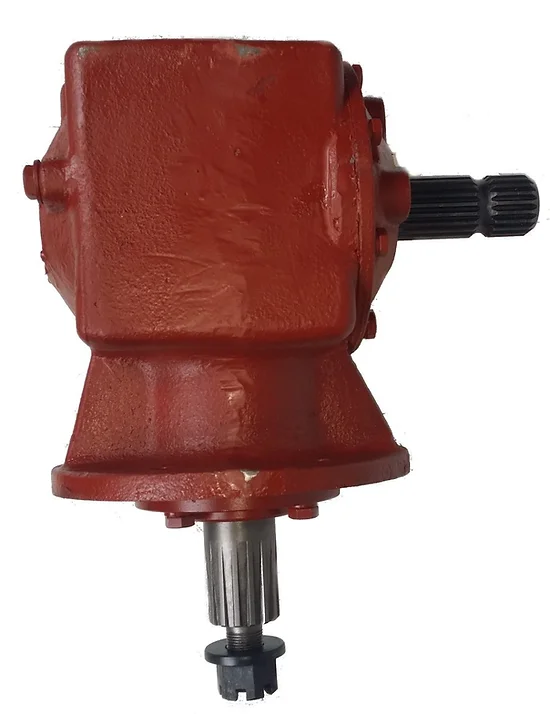
Precauciones de seguridad al trabajar con cajas de engranajes de segadoras
Trabajar con las cajas de engranajes de las segadoras requiere prestar mucha atención a la seguridad para prevenir accidentes y lesiones. Siga estas precauciones de seguridad:
- Desconectar la alimentación: Antes de realizar cualquier tarea de mantenimiento o ajuste, apague el motor del cortacésped y desconecte el cable de la bujía para evitar arranques accidentales.
- Espere a que se enfríe: Deje que la caja de cambios se enfríe si ha estado en funcionamiento, ya que puede calentarse durante su uso.
- Use equipo de protección: Utilice el equipo de protección personal (EPP) adecuado, como guantes, gafas de seguridad y calzado cerrado, para protegerse de los escombros y las piezas móviles.
- Estabilice la cortadora de césped: Asegúrese de que la cortadora de césped esté sobre una superficie nivelada y correctamente estabilizada antes de intentar cualquier trabajo en la caja de cambios.
- Lea el manual: Consulte el manual del cortacésped para obtener instrucciones y procedimientos de seguridad específicos relacionados con el mantenimiento de la caja de cambios.
- Utilice las herramientas adecuadas: Utilice siempre las herramientas adecuadas para cada tarea y asegúrese de que estén en buen estado. El uso de herramientas incorrectas puede provocar accidentes y daños.
- Evite la ropa holgada: Utilice ropa que le quede bien y que no corra el riesgo de engancharse en las partes móviles.
- Mantenga las manos limpias: Mantenga las manos y los dedos alejados de la caja de cambios y las correas mientras el motor esté en marcha o mientras realice tareas de mantenimiento.
- Ventilar adecuadamente: Si trabaja en un espacio cerrado, asegúrese de que haya una ventilación adecuada para evitar la exposición a los gases de escape.
- Una tarea a la vez: Concéntrese en una tarea a la vez. Evite las distracciones y la multitarea mientras trabaja en la caja de cambios de la cortadora de césped.
- Mantenga un área de trabajo limpia: Mantenga el área de trabajo limpia y organizada para evitar riesgos de tropiezo y para garantizar un fácil acceso a las herramientas.
- Reemplazar protectores y cubiertas: Tras realizar el mantenimiento, asegúrese de que todas las protecciones y cubiertas estén correctamente reinstaladas antes de poner en marcha la cortadora de césped.
- Deseche los líquidos correctamente: Si necesita vaciar los fluidos de la caja de cambios, deséchelos de acuerdo con la normativa local.
- Busque ayuda profesional: Si tiene dudas sobre cualquier tarea de mantenimiento o reparación, o si la tarea requiere conocimientos especializados, consulte a un profesional o a un centro de servicio autorizado.
Seguir estas precauciones de seguridad le ayudará a trabajar de forma segura y eficaz con las cajas de cambios de las cortadoras de césped, reduciendo el riesgo de accidentes y lesiones.
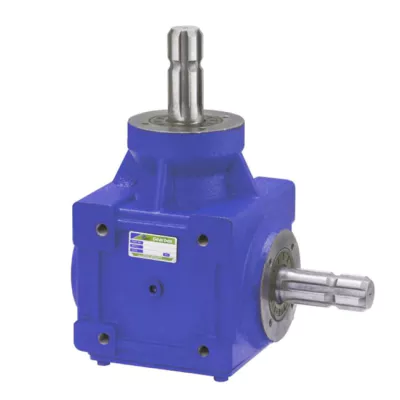
Problemas comunes en las cajas de engranajes de las cortadoras de césped y cómo solucionarlos.
Las cajas de engranajes de las cortadoras de césped pueden presentar diversos problemas con el tiempo. A continuación, se describen algunos problemas comunes y sus posibles soluciones:
- Fuga de aceite: Si observa fugas de aceite, inspeccione los sellos y las juntas. Reemplace cualquier componente dañado y rellene la caja de cambios con el aceite adecuado.
- Ruidos extraños: Los ruidos inusuales pueden indicar desgaste en los cojinetes o engranajes. Inspeccione la caja de cambios para detectar desgaste y reemplace las piezas dañadas.
- Calentamiento excesivo: El sobrecalentamiento puede deberse a niveles bajos de aceite o a una fricción excesiva. Compruebe el nivel y la calidad del aceite y asegúrese de una lubricación adecuada.
- Rendimiento deficiente: Si la caja de cambios del cortacésped no funciona como se espera, compruebe si hay correas flojas, poleas desalineadas o engranajes dañados. Ajuste o reemplace las piezas según sea necesario.
- Cinturones resbaladizos: Las correas que se deslizan pueden provocar un corte irregular. Compruebe la tensión de las correas y ajústela según las especificaciones del fabricante.
- Falta de energía: Si la segadora no tiene potencia, revise la caja de cambios y las correas para detectar posibles obstrucciones y asegúrese de que los engranajes funcionen correctamente.
- Vibración: Las vibraciones excesivas pueden deberse a aspas desequilibradas o a componentes dañados de la caja de engranajes. Equilibre las aspas e inspeccione la caja de engranajes para detectar desgaste.
- Engranajes atascados: Si los engranajes se atascan, compruebe si hay suciedad o daños. Limpie la caja de cambios y sustituya las piezas desgastadas o dañadas.
- Rodamientos desgastados: Los rodamientos desgastados pueden provocar mayor fricción y ruido. Reemplace los rodamientos desgastados por unos nuevos para garantizar un funcionamiento óptimo.
- Componentes incautados: Si alguna pieza está atascada, como poleas o ejes, inspecciónela para detectar daños o corrosión. Lubrique o reemplace los componentes según sea necesario.
Para cualquier problema complejo o si no está seguro de las reparaciones, se recomienda consultar el manual del cortacésped o buscar ayuda de un técnico profesional o un centro de servicio autorizado.
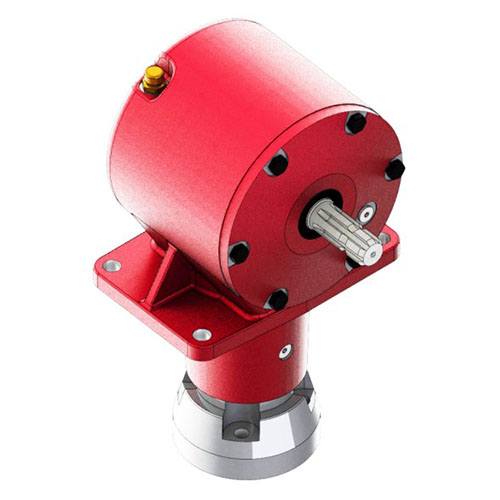
Componentes clave de la caja de engranajes de una segadora
La caja de engranajes de una segadora es un conjunto mecánico complejo que consta de varios componentes que trabajan juntos para transmitir potencia y controlar las cuchillas de corte. Los componentes clave de la caja de engranajes de una segadora incluyen:
- Eje de entrada: El eje de entrada está conectado al motor del cortacésped mediante un eje de transmisión. Recibe la potencia de rotación del motor y la transfiere a la caja de cambios.
- Engranajes: Los engranajes son componentes esenciales responsables de transmitir y convertir el par motor y la velocidad. Las cajas de engranajes de las segadoras contienen un conjunto de engranajes, incluidos engranajes de entrada, intermedios y de salida, que engranan entre sí para lograr las relaciones de par y velocidad deseadas.
- Eje de salida: El eje de salida está conectado a las cuchillas de corte. Recibe el par motor de la caja de engranajes y lo transmite a las cuchillas, provocando su rotación y la acción de corte.
- Aspectos: Los cojinetes soportan los ejes y engranajes giratorios dentro de la caja de cambios, reduciendo la fricción y garantizando un movimiento suave. Los cojinetes de bolas o de rodillos se utilizan habitualmente para mejorar la eficiencia y la vida útil de la caja de cambios.
- Sistema de lubricación: Las cajas de engranajes de las segadoras requieren una lubricación adecuada para minimizar la fricción y el desgaste entre las piezas móviles. La lubricación garantiza que los engranajes y los cojinetes funcionen de manera suave y eficiente.
- Alojamiento: La carcasa de la caja de cambios protege los componentes internos de los elementos externos. Además, contiene el aceite lubricante e impide que la suciedad y los residuos entren en la caja de cambios.
- Sellos: Las juntas impiden la entrada de contaminantes como agua, polvo y suciedad en la caja de cambios. Desempeñan un papel fundamental en el mantenimiento de la integridad del sistema de lubricación y en la protección de los componentes internos.
- Embragues y frenos: Algunas cajas de engranajes de las segadoras incorporan embragues y frenos que permiten acoplar y desacoplar las cuchillas de corte. Estos componentes proporcionan control sobre la acción de corte y permiten un funcionamiento seguro.
- Mecanismos de ajuste: Según el tipo de cortacésped, la caja de cambios puede incluir mecanismos de ajuste para regular la altura de corte o el ángulo de las cuchillas. Estos mecanismos mejoran la versatilidad y el rendimiento del cortacésped.
La combinación de estos componentes dentro de la caja de engranajes de la segadora garantiza la transmisión eficaz de la potencia y un control preciso de las cuchillas de corte, lo que da como resultado operaciones de siega eficientes y precisas.


editor by CX 2024-04-04


