
Descripción del Producto
Concrete Mixer Planetary and Twin shafts Mixer 12m3 concrete mixer truck gearbox for concrete mixer
Twin shafts mixer and Planetary mixer both are provided.
Twin shafts mixer: Mixing Blade and scraper
With 17% – 23% Cr Chromium
There is oil temperature testing sensor inside the reducer.
Test oil temperature automatically
Planetary mixer: The mixers with vertical shafts allow the rapid mixing of all types of quality concrete (dry, semi-dry and plastic).
The great versatility of the mixer enables it to be used not only in the production of concrete,
but also in the mixing of materials for the production of glass, ceramics, refractory materials, etc.
| Planetary Mixer Technical Parameters | ||||||
| Model |
Filling Volume(L) |
Feeding Capacity(KG) |
Compacted Concrete(L) |
Mixing Power (KW) |
Mixing Star*MixingBlade (Qty) |
Weight (T) |
| MP50 | 75 | 120 | 50 | 3 | 1*2 | 0.7 |
| MP100 | 150 | 240 | 100 | 5.5 | 1*2 | 1 |
| MP250 | 375 | 600 | 250 | 11 | 1*2 | 1.8 |
| MP330 | 525 | 790 | 330 | 15 | 1*2 | 2.2 |
| MP500 | 750 | 1200 | 500 | 18.5 | 1*2 | 2.5 |
| MP750 | 1125 | 1800 | 750 | 30 | 1*3 | 3.5 |
| MP1000 | 1500 | 2400 | 1000 | 37 | 2*2 | 5.5 |
| MP1500 | 2250 | 3600 | 1500 | 55 | 2*2 | 6.5 |
| MP2000 | 3000 | 4800 | 2000 | 75 | 3*2 | 8.5 |
| MP2500 | 3750 | 6000 | 2500 | 90 | 3*3 | 10.5 |
| MP3000 | 4500 | 7200 | 3000 | 110 | 3*3 | 11 |
| Features | ||||||
JS Twin Shafts Mixer
Introduction of MP Series Planetary Mixe
| 1.Gearing System | |
| Driving system consists of motor and hardened surface gear (patented product) which is specialized designed by our company. The improve model has lower noise, longer torque and more durable. Even in strict production conditions, the gearbox can distribute power effectively and evenly to each mix and device, ensuring normal operation, high stability and low maintenance.
|
|
| 2.Mixing Device | |
| Compulsory mixing is realized by composite moves of extruding and overturning driven by rotating planets and blades. Specialized discharge scraper has been designed according to discharge speed in order to increase productivity.
|
|
| 3.Discharging Device | |
| According to the different demands of customers, the discharging door can be opened by hydraulic, pneumatic or by hands. The number of the discharging door is 3 at most. And there is special sealing device on the discharging door to ensure the sealing reliable. | |
| 4.The Hydraulic Power Unit | |
| A special designed hydraulic power unit is used to provide power for more than 1 discharging gates. Equipped with manual discharging function, on emergency, these discharging CHINAMFG can be opened by hand. |
|
| 5.Mixing Locus Diagrams | |
| The diagram shows the perfect mixing action of the planetary mixer from 6 to 60 seconds after materials added. Note that the floor is completely swept by the mixing star’s action every 4 revolutions(6 seconds) and that each zone is covered at regular intervals in time. |
|
| 6.Packing | |
Customer Visiting
Contact us
/* 22 de enero de 2571 19:08:37 */!function(){function s(e,r){var a,o={};try{e&&e.split(“”,).forEach(function(e,t){e&&(a=e.match(/(.*?):(.*)$/))&&1
| Type: | Concrete Mixer |
|---|---|
| Shotcrete Type: | Wet |
| Machining Process: | Hydraulic |
| Structure: | Cylinder Type |
| Productivity: | 35m²/h |
| Feeding Height: | 1400mm |
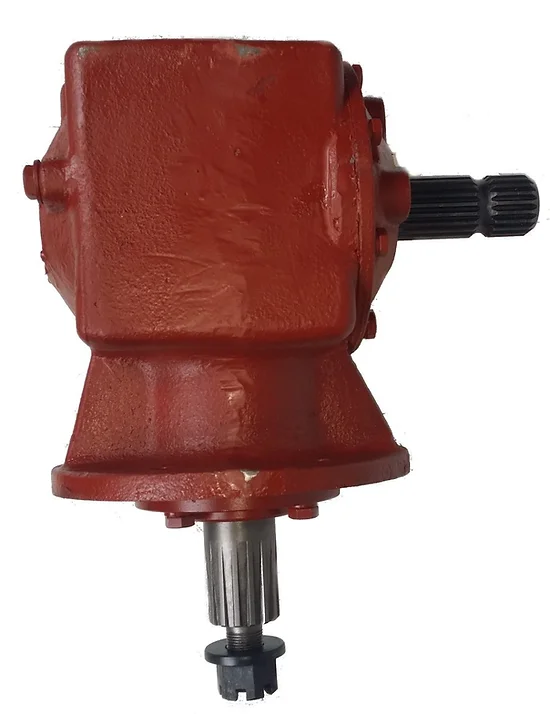
Precauciones de seguridad al trabajar con cajas de engranajes de segadoras
Trabajar con las cajas de engranajes de las segadoras requiere prestar mucha atención a la seguridad para prevenir accidentes y lesiones. Siga estas precauciones de seguridad:
- Desconectar la alimentación: Antes de realizar cualquier tarea de mantenimiento o ajuste, apague el motor del cortacésped y desconecte el cable de la bujía para evitar arranques accidentales.
- Espere a que se enfríe: Deje que la caja de cambios se enfríe si ha estado en funcionamiento, ya que puede calentarse durante su uso.
- Use equipo de protección: Utilice el equipo de protección personal (EPP) adecuado, como guantes, gafas de seguridad y calzado cerrado, para protegerse de los escombros y las piezas móviles.
- Estabilice la cortadora de césped: Asegúrese de que la cortadora de césped esté sobre una superficie nivelada y correctamente estabilizada antes de intentar cualquier trabajo en la caja de cambios.
- Lea el manual: Consulte el manual del cortacésped para obtener instrucciones y procedimientos de seguridad específicos relacionados con el mantenimiento de la caja de cambios.
- Utilice las herramientas adecuadas: Utilice siempre las herramientas adecuadas para cada tarea y asegúrese de que estén en buen estado. El uso de herramientas incorrectas puede provocar accidentes y daños.
- Evite la ropa holgada: Utilice ropa que le quede bien y que no corra el riesgo de engancharse en las partes móviles.
- Mantenga las manos limpias: Mantenga las manos y los dedos alejados de la caja de cambios y las correas mientras el motor esté en marcha o mientras realice tareas de mantenimiento.
- Ventilar adecuadamente: Si trabaja en un espacio cerrado, asegúrese de que haya una ventilación adecuada para evitar la exposición a los gases de escape.
- Una tarea a la vez: Concéntrese en una tarea a la vez. Evite las distracciones y la multitarea mientras trabaja en la caja de cambios de la cortadora de césped.
- Mantenga un área de trabajo limpia: Mantenga el área de trabajo limpia y organizada para evitar riesgos de tropiezo y para garantizar un fácil acceso a las herramientas.
- Reemplazar protectores y cubiertas: Tras realizar el mantenimiento, asegúrese de que todas las protecciones y cubiertas estén correctamente reinstaladas antes de poner en marcha la cortadora de césped.
- Deseche los líquidos correctamente: Si necesita vaciar los fluidos de la caja de cambios, deséchelos de acuerdo con la normativa local.
- Busque ayuda profesional: Si tiene dudas sobre cualquier tarea de mantenimiento o reparación, o si la tarea requiere conocimientos especializados, consulte a un profesional o a un centro de servicio autorizado.
Seguir estas precauciones de seguridad le ayudará a trabajar de forma segura y eficaz con las cajas de cambios de las cortadoras de césped, reduciendo el riesgo de accidentes y lesiones.
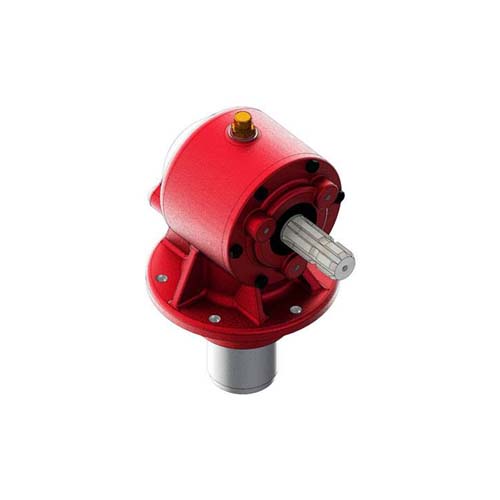
Differences between Manual and Automatic Mower Gearboxes
Manual and automatic mower gearboxes differ in their operation, control, and convenience:
- Operación: Manual gearboxes require the user to engage and disengage gears manually using a clutch or lever. Automatic gearboxes, on the other hand, change gears automatically based on speed and load conditions.
- Control: Manual gearboxes provide more direct control over gear selection, allowing the user to choose the appropriate gear for specific tasks. Automatic gearboxes, however, offer a hands-free experience with gear changes managed by the gearbox itself.
- Convenience: Automatic gearboxes are more convenient for users who prefer a hassle-free experience. They eliminate the need to manually shift gears, making operation simpler and more user-friendly.
- Complexity: Automatic gearboxes are more complex in design compared to manual ones due to the presence of sensors, electronic controls, and additional components required for automatic shifting.
- Efficiency: Manual gearboxes can provide better control over power delivery and may be more efficient in certain situations. However, automatic gearboxes optimize gear changes for fuel efficiency and performance.
- Cost: Automatic gearboxes are generally more expensive to manufacture and repair due to their complexity. Manual gearboxes are simpler and often more affordable.
The choice between manual and automatic mower gearboxes depends on user preference, the level of control desired, and the intended use of the mower. Both types have their advantages and disadvantages, and the decision should be based on the user’s needs and priorities.
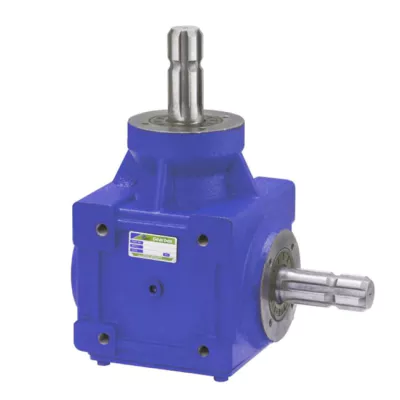
Signs of a Faulty Mower Gearbox
A faulty mower gearbox can lead to poor performance and potentially expensive repairs if not addressed promptly. Here are some common signs that indicate your mower gearbox may be experiencing issues:
- Unusual Noises: Grinding, clunking, or squealing noises during operation can indicate worn or damaged gears or bearings in the gearbox.
- Loss of Power: If your mower is struggling to cut grass or move forward efficiently, it could be due to a gearbox problem affecting power transmission.
- Difficulty in Shifting Gears: If your mower has a manual transmission, difficulty in shifting gears or gears slipping out of place can be a sign of gearbox trouble.
- Leaking Oil: Visible oil leaks around the gearbox housing suggest a potential seal or gasket issue that needs attention.
- Excessive Vibration: Excessive vibration or shaking while operating the mower may indicate misaligned gears or other internal problems within the gearbox.
- Uneven Cutting: If your mower is leaving uneven patches of grass, it could be due to an issue with the gearbox affecting blade synchronization.
- Delayed Engagement: A delay between engaging the transmission and movement of the mower can signal a problem with the gearbox’s engagement mechanism.
- Burning Smell: A burning or overheated odor could be the result of friction caused by damaged or improperly lubricated gearbox components.
If you notice any of these signs, it’s crucial to address the issue promptly. Ignoring gearbox problems can lead to further damage and more expensive repairs down the line. It’s recommended to consult a professional for an accurate diagnosis and appropriate repairs.


editor by CX 2024-04-25


