
Descripción del Producto
GRH specialized in providing hydraulic components and solutions for hydraulic systems.
With continuous improvement and enthusiasm over the past 30 years, CHINAMFG has developed into an emerging power in the fluid power industry since it was established in 1986.
GRH (ZheJiang ) – International Sales Office
GRH (ZheJiang ) – Manufacturing Facility and Domestic Sales Office
—————————————————————————————————————————————————
Production description
| We can produce motor according to your needs ! |
About Us
Application and Partners
Contact us!
/* 22 de enero de 2571 19:08:37 */!function(){function s(e,r){var a,o={};try{e&&e.split(“”,).forEach(function(e,t){e&&(a=e.match(/(.*?):(.*)$/))&&1
| Solicitud: | Motor, Machinery, Agricultural Machinery |
|---|---|
| Dureza: | Superficie dentada endurecida |
| Instalación: | Vertical Type |
| Disposición: | Expansion |
| Forma del engranaje: | Engranaje cónico-cilíndrico |
| Paso: | Sin escalones |
| Samples: |
US$ 1050/Piece
1 Piece(Min.Order) | |
|---|
| Personalización: |
Disponible
| Solicitud personalizada |
|---|
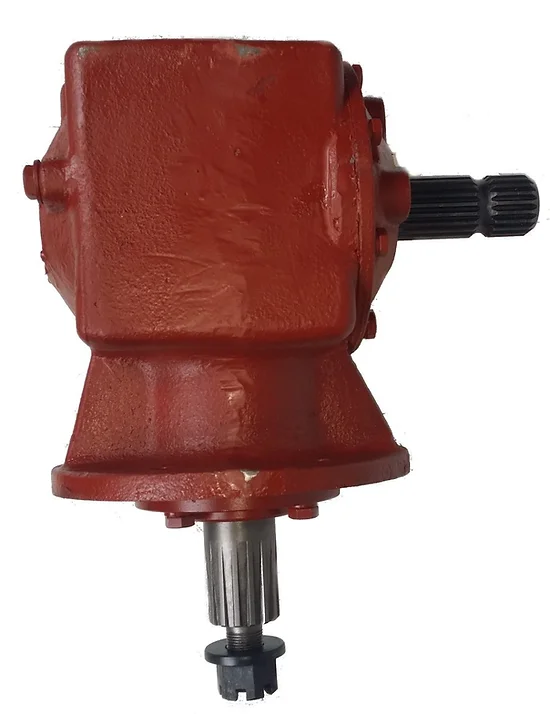
Precauciones de seguridad al trabajar con cajas de engranajes de segadoras
Trabajar con las cajas de engranajes de las segadoras requiere prestar mucha atención a la seguridad para prevenir accidentes y lesiones. Siga estas precauciones de seguridad:
- Desconectar la alimentación: Antes de realizar cualquier tarea de mantenimiento o ajuste, apague el motor del cortacésped y desconecte el cable de la bujía para evitar arranques accidentales.
- Espere a que se enfríe: Deje que la caja de cambios se enfríe si ha estado en funcionamiento, ya que puede calentarse durante su uso.
- Use equipo de protección: Utilice el equipo de protección personal (EPP) adecuado, como guantes, gafas de seguridad y calzado cerrado, para protegerse de los escombros y las piezas móviles.
- Estabilice la cortadora de césped: Asegúrese de que la cortadora de césped esté sobre una superficie nivelada y correctamente estabilizada antes de intentar cualquier trabajo en la caja de cambios.
- Lea el manual: Consulte el manual del cortacésped para obtener instrucciones y procedimientos de seguridad específicos relacionados con el mantenimiento de la caja de cambios.
- Utilice las herramientas adecuadas: Utilice siempre las herramientas adecuadas para cada tarea y asegúrese de que estén en buen estado. El uso de herramientas incorrectas puede provocar accidentes y daños.
- Evite la ropa holgada: Utilice ropa que le quede bien y que no corra el riesgo de engancharse en las partes móviles.
- Mantenga las manos limpias: Mantenga las manos y los dedos alejados de la caja de cambios y las correas mientras el motor esté en marcha o mientras realice tareas de mantenimiento.
- Ventilar adecuadamente: Si trabaja en un espacio cerrado, asegúrese de que haya una ventilación adecuada para evitar la exposición a los gases de escape.
- Una tarea a la vez: Concéntrese en una tarea a la vez. Evite las distracciones y la multitarea mientras trabaja en la caja de cambios de la cortadora de césped.
- Mantenga un área de trabajo limpia: Mantenga el área de trabajo limpia y organizada para evitar riesgos de tropiezo y para garantizar un fácil acceso a las herramientas.
- Reemplazar protectores y cubiertas: Tras realizar el mantenimiento, asegúrese de que todas las protecciones y cubiertas estén correctamente reinstaladas antes de poner en marcha la cortadora de césped.
- Deseche los líquidos correctamente: Si necesita vaciar los fluidos de la caja de cambios, deséchelos de acuerdo con la normativa local.
- Busque ayuda profesional: Si tiene dudas sobre cualquier tarea de mantenimiento o reparación, o si la tarea requiere conocimientos especializados, consulte a un profesional o a un centro de servicio autorizado.
Seguir estas precauciones de seguridad le ayudará a trabajar de forma segura y eficaz con las cajas de cambios de las cortadoras de césped, reduciendo el riesgo de accidentes y lesiones.
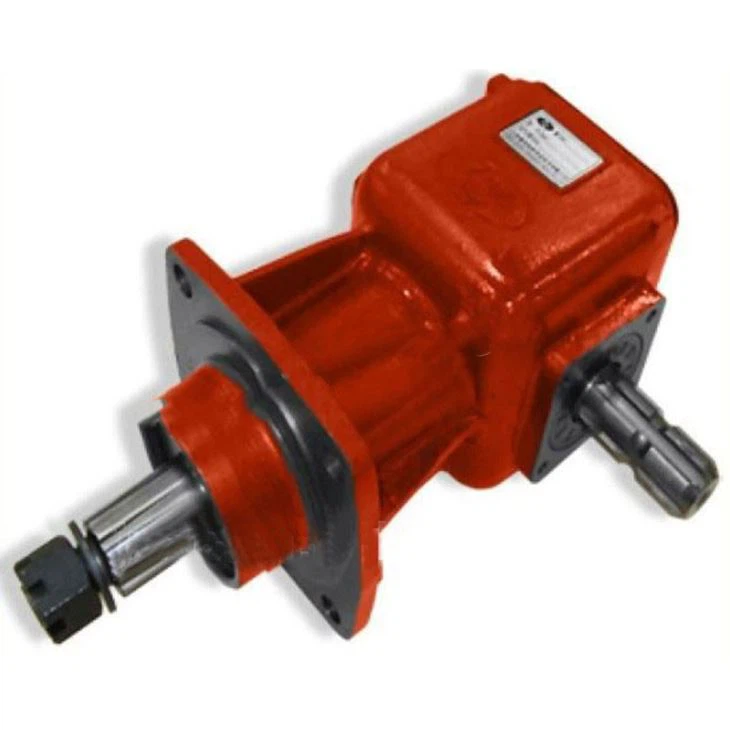
Lifespan of a Typical Mower Gearbox
The lifespan of a mower gearbox can vary depending on several factors, including the quality of the gearbox, maintenance practices, usage frequency, and operating conditions. On average, a well-maintained and high-quality mower gearbox can last between 5 to 10 years or even more.
Regular maintenance, such as checking and maintaining the oil level, cleaning and lubricating components, and addressing any issues promptly, can significantly extend the lifespan of a mower gearbox. Quality components, proper usage, and adherence to manufacturer guidelines also play a crucial role in determining how long a mower gearbox will last.
If you start noticing signs of wear, performance issues, or unusual noises from the gearbox, it’s important to address them promptly to prevent further damage and potentially extend the gearbox’s lifespan.
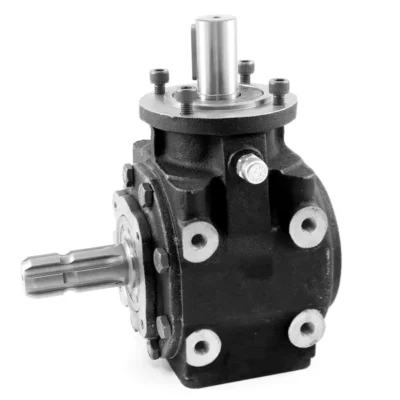
Maintaining a Mower Gearbox
Maintaining a mower gearbox is crucial to ensure its longevity, performance, and safe operation. Here are the key steps to effectively maintain a mower gearbox:
- Regular Inspection: Periodically inspect the gearbox for signs of wear, damage, or leaks. Check for any unusual noises or vibrations during operation.
- Lubrication: Follow the manufacturer’s guidelines for lubrication. Ensure the gearbox is properly lubricated with the recommended oil to minimize friction and reduce wear on moving parts.
- Cleaning: Keep the gearbox clean by removing dirt, debris, and grass clippings that can accumulate around the housing. Clean the exterior as well as the cooling fins to prevent overheating.
- Belt Tension: If the mower has belts connected to the gearbox, maintain proper belt tension according to the manufacturer’s recommendations. Loose or overly tight belts can affect the gearbox’s performance.
- Bearing Inspection: Check the bearings for any signs of wear, noise, or rough operation. Replace worn bearings to prevent damage to other components.
- Seals: Ensure that seals are intact and functioning properly. Replace damaged seals to prevent contaminants from entering the gearbox.
- Blade Maintenance: If the gearbox is associated with cutting blades, regularly sharpen and balance the blades to reduce strain on the gearbox. Replace any damaged or worn blades.
- Tighten Fasteners: Check and tighten all bolts, nuts, and fasteners that secure the gearbox components. Loose fasteners can lead to vibrations and misalignment.
- Alignment: Ensure that the gearbox is properly aligned with other components, such as the engine and cutting blades. Misalignment can cause excessive wear and reduce efficiency.
- Grease Fittings: If applicable, use grease fittings to lubricate specific components. Follow the manufacturer’s recommendations for greasing intervals.
- Professional Maintenance: If you’re unsure about certain maintenance tasks or notice significant issues, consider seeking professional maintenance or servicing for the gearbox.
By following these maintenance practices, you can extend the lifespan of the mower gearbox and ensure that it operates smoothly and efficiently during mowing operations.


editor by CX 2024-04-16


