
Descripción del Producto
Descripción general
———————————————————————————————————————————————————————————————————————————————–
Detalles rápidos
Gearing Arrangement: Worm Brand Name: EED
Velocidad de entrada: 1400 rpm Certificación: CE, ROHS, ISO9000
Potencia nominal: 3 ~ 4 kW. Par de salida: 2,8-2430 N·m.
Color: Azul/Plata o a pedido Origen: Zhangzhou, China (continental)
Garantía: 1 año Relación: 1/10, 1/15, 1/20, 1/25, 1/30, 1/40, 1/50, 1/60
———————————————————————————————————————————————————————————————————————————————–
Capacidad de suministro
Capacidad de suministro: 20 000 piezas al mes
Servicio adicional: Se aceptan fabricantes de equipos originales (OEM).
Sistema de control de calidad: ISO9001:2008
———————————————————————————————————————————————————————————————————————————————–
Embalaje y entrega
Embalaje: Caja de madera/Cartón de papel
Puerto: Hangzhou/Zhejiang o bajo petición.
———————————————————————————————————————————————————————————————————————————————–
1. Ampliamente utilizado en turbinas, revestimientos de ejes y árboles de ejes, buena resistencia al desgaste, con alta precisión en
dimensiones, menor ruido, fundición de funcionamiento centrado avanzado
2. Sin ventilación y de alta precisión
3. Toda la estructura es compacta y el peso es mayor.
———————————————————————————————————————————————————————————————————————————————–
Aviso de instalación
1. La placa base debe ser plana y robusta, y debe estar atornillada y ser a prueba de golpes.
2. El eje de conexión del motor principal, el reductor y el dispositivo de operación deben estar instalados coaxialmente.
3. La zona de tolerancia de diámetro del eje de entrada y salida es H6, los agujeros de los accesorios (como acoplamientos, correas)
polea, rueda dentada, etc.) deben acoplarse correctamente al eje, lo que evita que el cojinete se rompa.
-causa de una pareja demasiado laxa.
4. Los elementos de accionamiento, como la rueda dentada y el engranaje, deben instalarse cerca de los cojinetes para reducir la tensión de flexión.
-ss del eje colgante.
5. Al ensamblar el motor del reductor WPD, es necesario aplicar la cantidad adecuada de mantequilla al tornillo sin fin.
Orificio de entrada del eje y chavetero, evitando un montaje demasiado apretado y la oxidación tras un uso prolongado.
6. Al ordenar o usar cualquier tipo de WPD, si el peso del motor es mayor que el común, soporte
Se requiere un conjunto.
———————————————————————————————————————————————————————————————————————————————–
Avisos de uso
1. Antes de usarlo, verifique cuidadosamente si el modelo del reductor, la distancia, la relación, el método de conexión de entrada,
La estructura del eje de salida, la dirección de los ejes de entrada y salida y el sentido de giro se ajustan a los requisitos.
2. De acuerdo con el requisito de selección de aceite lubricante en el manual del producto, complete la categoría adecuada y
lubricante de marca. Y luego enrosque el tapón de ventilación; Desbloquee el pequeño tapón cónico del tapón de ventilación. Solo después de hacer esto-
ese, el reductor ya está listo para arrancar y funcionar. Se requiere la marca adecuada y el aceite lubricante apropiado, reemplácelo.
También es necesario cambiar el aceite a tiempo, de acuerdo con las indicaciones del manual del producto, especialmente después de usar las primeras 100 horas.
En nuestro caso, es necesario rellenar el aceite nuevo.
3. Cuando ocurran circunstancias anormales, detenga y revise el reductor según las soluciones y razones de las fallas de
reductor (la temperatura máxima permitida del aceite es de 95, por debajo de este límite de temperatura, si la temperatura del aceite ya no es mayor
Por favor, deje que el reductor continúe ejecutándose.
Acerca de CHINAMFG desde 1984
HangZhou Melchizedek Import & Export Co., Ltd. es un fabricante líder en el campo de los mecanismos y el estampado/estampado.
campo de ing desde 1984. Nuestro producto principal, reductor de velocidad de engranaje helicoidal NMRV y caja de engranajes helicoidales en serie, XDR,
XDF, XDK, XDS han alcanzado el índice de técnica avanzada de los productos europeos y japoneses congéneres.
Ofrecemos engranajes, piñones, cadenas, poleas, acoplamientos, casquillos, etc. estándar. También aceptamos pedidos.
de productos no estándar, como engranajes, ejes, piezas punzonadas, etc., según los planos o muestras de los clientes.
por favor.
Nuestra empresa cuenta con un conjunto completo de equipos que incluyen CNC, tornos, fresadoras, máquina talladora de engranajes, g-
máquina rectificadora de orejas, máquina bruñidora de engranajes, máquina formadora de engranajes, rectificadora de tornillo sin fin, máquinas rectificadoras, máquina perforadora
aquinas, mandrinadoras, cepilladoras, bancos de estirado, punzonadoras, prensas hidráulicas, cizallas para chapas y s-
o encendido. También contamos con equipos de prueba avanzados.
Nuestra empresa ha establecido relaciones de cooperación favorables con subproveedores en lo que respecta a fundición, materia prima-
tratamiento térmico, acabado superficial, etc.
| Solicitud: | Motor, Machinery, Agricultural Machinery |
|---|---|
| Dureza: | Superficie dentada endurecida |
| Instalación: | Vertical Type |
| Disposición: | Coaxial |
| Forma del engranaje: | Engranaje cónico |
| Paso: | Single-Step |
| Personalización: |
Disponible
| Solicitud personalizada |
|---|
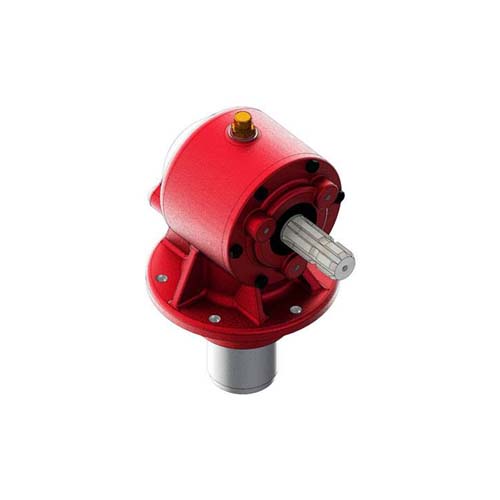
Benefits of a High-Quality Mower Gearbox
A high-quality mower gearbox offers several advantages for both the performance of the mower and the overall user experience:
- Durability: High-quality gearboxes are built to withstand the demands of frequent and rigorous mowing tasks. They are designed with durable materials and precision manufacturing, ensuring a longer lifespan.
- Smooth Operation: Quality gearboxes provide smooth and consistent power transmission, resulting in reduced vibration and noise during operation. This enhances user comfort and minimizes wear and tear on the mower components.
- Efficient Power Transfer: A well-designed gearbox efficiently transfers power from the mower’s engine to the cutting blades, optimizing cutting performance. This results in a cleaner and more even mowing result.
- Low Maintenance: High-quality gearboxes often require less frequent maintenance due to their reliable construction. This reduces downtime and maintenance costs in the long run.
- Enhanced Safety: Reliable gearboxes contribute to safer mowing operations by ensuring that the blades operate consistently and as intended. This reduces the risk of accidents caused by unexpected blade behavior.
- Improved Versatility: Quality gearboxes are designed to handle a variety of conditions and mowing tasks, making them suitable for a range of applications and terrains.
- Cost-Effectiveness: While high-quality gearboxes may have a higher upfront cost, their durability and performance can lead to long-term cost savings by reducing the need for frequent replacements and repairs.
Investing in a high-quality mower gearbox can significantly enhance the overall efficiency, performance, and longevity of your mower equipment, ultimately providing a better mowing experience.
Differences between Manual and Automatic Mower Gearboxes
Manual and automatic mower gearboxes differ in their operation, control, and convenience:
- Operación: Manual gearboxes require the user to engage and disengage gears manually using a clutch or lever. Automatic gearboxes, on the other hand, change gears automatically based on speed and load conditions.
- Control: Manual gearboxes provide more direct control over gear selection, allowing the user to choose the appropriate gear for specific tasks. Automatic gearboxes, however, offer a hands-free experience with gear changes managed by the gearbox itself.
- Convenience: Automatic gearboxes are more convenient for users who prefer a hassle-free experience. They eliminate the need to manually shift gears, making operation simpler and more user-friendly.
- Complexity: Automatic gearboxes are more complex in design compared to manual ones due to the presence of sensors, electronic controls, and additional components required for automatic shifting.
- Efficiency: Manual gearboxes can provide better control over power delivery and may be more efficient in certain situations. However, automatic gearboxes optimize gear changes for fuel efficiency and performance.
- Cost: Automatic gearboxes are generally more expensive to manufacture and repair due to their complexity. Manual gearboxes are simpler and often more affordable.
The choice between manual and automatic mower gearboxes depends on user preference, the level of control desired, and the intended use of the mower. Both types have their advantages and disadvantages, and the decision should be based on the user’s needs and priorities.
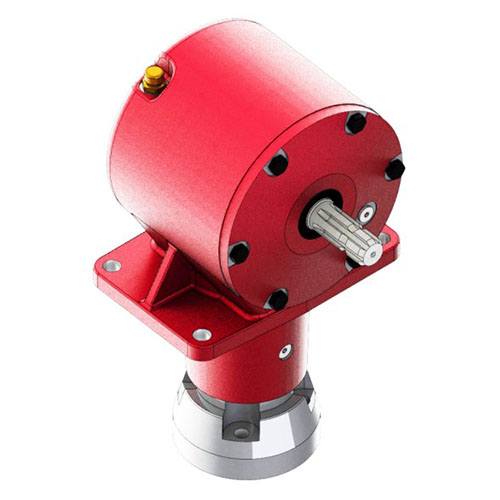
Key Components of a Mower Gearbox
A mower gearbox is a complex mechanical assembly consisting of various components that work together to transmit power and control the cutting blades. The key components of a mower gearbox include:
- Input Shaft: The input shaft is connected to the mower’s engine via a drive shaft. It receives the rotational power from the engine and transfers it to the gearbox.
- Gears: Gears are essential components responsible for transmitting and converting torque and speed. Mower gearboxes contain a set of gears, including input gears, intermediate gears, and output gears, that mesh together to achieve the desired torque and speed ratios.
- Output Shaft: The output shaft is connected to the cutting blades. It receives the torque from the gearbox and transfers it to the blades, causing them to rotate and perform the cutting action.
- Bearings: Bearings support the rotating shafts and gears within the gearbox, reducing friction and ensuring smooth movement. Ball bearings or roller bearings are commonly used to enhance the gearbox’s efficiency and longevity.
- Lubrication System: Mower gearboxes require proper lubrication to minimize friction and wear between moving parts. Lubrication ensures that the gears and bearings operate smoothly and efficiently.
- Housing: The gearbox housing encloses and protects the internal components from external elements. It also contains the lubricating oil and prevents dirt and debris from entering the gearbox.
- Seals: Seals prevent the entry of contaminants such as water, dust, and dirt into the gearbox. They play a critical role in maintaining the integrity of the lubrication system and protecting the internal components.
- Clutches and Brakes: Some mower gearboxes feature clutches and brakes that allow for engagement and disengagement of the cutting blades. These components provide control over the cutting action and enable safe operation.
- Adjustment Mechanisms: Depending on the type of mower, the gearbox may include adjustment mechanisms for setting the cutting height or angle of the blades. These mechanisms enhance the mower’s versatility and performance.
The combination of these components within the mower gearbox ensures the effective transmission of power and precise control over the cutting blades, resulting in efficient and accurate mowing operations.


editor by CX 2023-11-15


