
Opis produktu
Dlaczego warto nas wybrać
Szczegóły produktu
|
Typ |
Przekładnia ślimakowa/reduktor prędkości |
|
Model |
WMRV 25/30/40/50/63/75/90/110/130/150/185 |
|
Stosunek |
7.5,10,15,20,25,30,40,50,60,80,100. |
|
Kolor |
Niebieski (RAL5571)/Srebrnoszary (K9149) lub na życzenie klienta |
|
Tworzywo |
Obudowa: stop aluminium (rozmiar 25~90) / żeliwo (rozmiar 110~185) |
|
Koło ślimakowe: brąz aluminiowy lub brąz cynowy |
|
| Wał ślimakowy: 20CrMn Ti | |
|
Wał wyjściowy: stal-45# |
|
|
Uszczelka |
Karton, Karton Plaster Miodu, Skrzynia Drewniana z drewnianą paletą |
| Gwarancja | 1 rok |
| Moc wejściowa | 0,09 kW, 0,18 kW, 1,1 kW, 1,5 kW, 2,2 kW, 3 kW, 4 kW, 5,5 kW, 7,5 kW, 11 kW i tak dalej. |
| Zastosowania | Maszyny przemysłowe: spożywcze, ceramiczne, chemiczne, pakujące, barwiące, do obróbki drewna, szklarskie. |
| Kołnierz IEC | Kołnierz zgodny ze standardem IEC lub na życzenie klienta |
| Smar | Olej syntetyczny lub olej do przekładni ślimakowej |
Profil firmy
Wystawa
Usługa dostosowana do potrzeb
Certyfikat i wyróżnienie
Komentarze klientów
Często zadawane pytania
1. Jak wybrać skrzynię biegów spełniającą nasze wymagania?
Możesz zapoznać się z naszym katalogiem, aby wybrać skrzynię biegów lub możemy pomóc Ci w wyborze, gdy ją dostarczysz
informacje techniczne dotyczące wymaganego momentu wyjściowego, prędkości wyjściowej, parametrów silnika itp.
2. Jakie informacje należy podać przed złożeniem zamówienia?
a) Typ przekładni, przełożenie, typ wejścia i wyjścia, kołnierz wejściowy, pozycja montażu, informacje o silniku itp.
b) Kolor obudowy.
c) Ilość zakupu.
d) Inne specjalne wymagania.
3. W jakich branżach wykorzystywane są Wasze skrzynie biegów?
Nasze przekładnie są szeroko stosowane w przemyśle tekstylnym, spożywczym, napojowym, chemicznym,
schody ruchome, automatyczny sprzęt magazynowy, metalurgia, przemysł tytoniowy, ochrona środowiska, logistyka itp.
4. Czy sprzedajecie silniki?
Mamy stabilnych dostawców silników, którzy współpracują z nami od dawna. Mogą oni dostarczyć silniki
z wysoką jakością.
/* 22 stycznia 2571 19:08:37 */!function(){function s(e,r){var a,o={};try{e&&e.split(„”,).forEach(function(e,t){e&&(a=e.match(/(.*?):(.*)$/))&&1
| Aplikacja: | Silnik, maszyny, maszyny rolnicze |
|---|---|
| Funkcjonować: | Dystrybucja mocy, zmiana prędkości, redukcja prędkości, zwiększenie prędkości |
| Układ: | Współosiowy |
| Próbki: |
US$ 25/szt.
1 sztuka (minimalne zamówienie) | Zamów próbkę |
|---|
| Personalizacja: |
Dostępny
| Spersonalizowane żądanie |
|---|
.shipping-cost-tm .tm-status-off{tło: brak;wypełnienie: 0;kolor: #1470cc}
|
Koszt wysyłki:
Szacowany koszt frachtu na jednostkę. |
o kosztach wysyłki i szacowanym czasie dostawy. |
|---|
| Metoda płatności: |
|
|---|---|
|
Płatność początkowa Pełna płatność |
| Waluta: | US$ |
|---|
| Zwroty i zwroty pieniędzy: | O zwrot pieniędzy możesz ubiegać się w ciągu 30 dni od otrzymania produktów. |
|---|
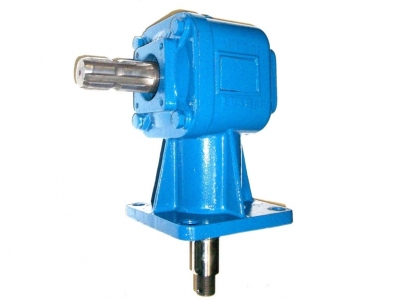
Lubrication Frequency for Mower Gearbox
The frequency of lubricating your mower gearbox depends on the manufacturer’s recommendations, usage intensity, and operating conditions. Here are some general guidelines:
- Regular Maintenance: It’s recommended to lubricate your mower gearbox at the beginning of the mowing season or after about 25-50 hours of operation.
- Heavy Usage: If you’re using your mower frequently or in challenging conditions such as dusty or wet environments, you might need to lubricate more often, perhaps every 10-20 hours of operation.
- Check the Manual: Consult your mower’s user manual for specific lubrication intervals and the type of lubricant to use. Different mowers and gearboxes might have varying requirements.
- Inspect Regularly: Keep an eye on the gearbox for any signs of oil leakage or unusual noise. If you notice any issues, it’s a good idea to inspect and lubricate the gearbox as needed.
Using the right type of lubricant is crucial for optimal gearbox performance. Make sure to use a high-quality lubricating oil recommended by the manufacturer. Always follow proper lubrication procedures outlined in the user manual to ensure the longevity and efficiency of your mower gearbox.
Choosing the Right Mower Gearbox for Your Lawn Mower
Choosing the right mower gearbox for your lawn mower involves considering several important factors to ensure compatibility, performance, and longevity:
- Mower Type: Different types of mowers, such as rotary mowers, reel mowers, and flail mowers, may require specific gearbox designs. Choose a gearbox that matches your mower type.
- Power and Torque: Calculate the power and torque requirements of your mower to ensure the gearbox can handle the load without straining.
- Mounting Compatibility: Ensure the gearbox’s mounting points match those of your mower. Compatibility is essential for proper installation and function.
- Shaft Size and Type: Consider the size and type of shafts on both the gearbox and the mower to ensure they can be connected securely.
- Gear Ratio: Choose a gear ratio that provides the desired cutting or mowing speed for your specific application.
- Quality and Brand: Opt for a reputable brand known for producing high-quality gearboxes. Quality components contribute to durability and performance.
- Maintenance Requirements: Consider the maintenance needs of the gearbox and choose one that aligns with your willingness to perform regular maintenance.
- Budget: While quality is important, consider your budget and aim for the best quality gearbox that fits within your financial constraints.
Consult your mower’s manual or a professional for guidance on selecting the right gearbox for your specific mower model and application. Choosing the right gearbox ensures efficient operation and extends the lifespan of your lawn mower.
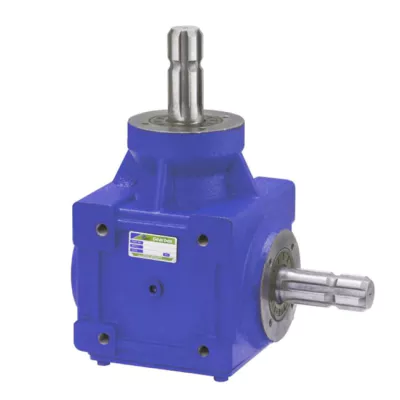
Signs of a Faulty Mower Gearbox
A faulty mower gearbox can lead to poor performance and potentially expensive repairs if not addressed promptly. Here are some common signs that indicate your mower gearbox may be experiencing issues:
- Unusual Noises: Grinding, clunking, or squealing noises during operation can indicate worn or damaged gears or bearings in the gearbox.
- Loss of Power: If your mower is struggling to cut grass or move forward efficiently, it could be due to a gearbox problem affecting power transmission.
- Difficulty in Shifting Gears: If your mower has a manual transmission, difficulty in shifting gears or gears slipping out of place can be a sign of gearbox trouble.
- Leaking Oil: Visible oil leaks around the gearbox housing suggest a potential seal or gasket issue that needs attention.
- Excessive Vibration: Excessive vibration or shaking while operating the mower may indicate misaligned gears or other internal problems within the gearbox.
- Uneven Cutting: If your mower is leaving uneven patches of grass, it could be due to an issue with the gearbox affecting blade synchronization.
- Delayed Engagement: A delay between engaging the transmission and movement of the mower can signal a problem with the gearbox’s engagement mechanism.
- Burning Smell: A burning or overheated odor could be the result of friction caused by damaged or improperly lubricated gearbox components.
If you notice any of these signs, it’s crucial to address the issue promptly. Ignoring gearbox problems can lead to further damage and more expensive repairs down the line. It’s recommended to consult a professional for an accurate diagnosis and appropriate repairs.


editor by CX 2024-04-30


