
Opis produktu
Opis produktu
K series helical-bevel gear Speed reducer
High power density
Wear-free
Long service life
> 90% gear unit efficiency
Multi-stage gear unit for low output speeds
two-stage or three-stage versions
Reduced backlash option for three-stage version
1.Descriptioin to structual form of K series:
Commercial information:
1. Shipping port: HangZhou
2. OEM: We accept customized products as per your special requirement.
3. Xihu (West Lake) Dis.lines for the Selection: Usually we can select 1 machine which is suitable for you with some informations from you, such as ratio/motor speed/mounting dimension/ output torque etc.
4. If the minimum order amount is in excess of $10000, there are preferential.
Applications:
The products are widely applied in electricity, coal, cement, metallurgy, harbor, agriculture, shipping, lifting, environment protection, stage, logistic, weaving, paper making, light industry, plastics and other regions
Nasze usługi
1. We accept sample order.
2. We undertake the problems due to quality.
3. We supply detail answers about technical questions.
4. We are the manufacturer so we could supply the products as soon as possible.
5. At the instance of our dear customer, we can do the customized gear boxes for clients.
/* October 22, 2571 15:47:17 */(()=>{function d(e,r){var a,o={};try{e&&e.split(“,”).forEach(function(e,t){e&&(a=e.match(/(.*?):(.*)$/))&&1
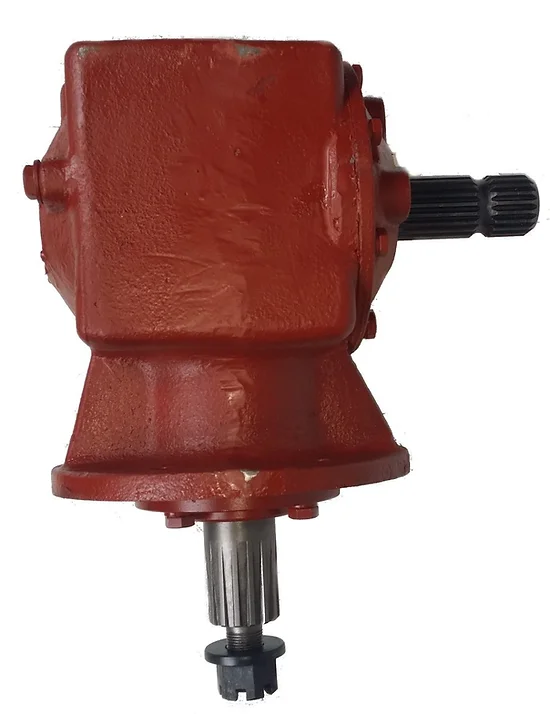
Środki ostrożności podczas pracy ze skrzyniami biegów kosiarki
Praca z przekładniami kosiarki wymaga szczególnej uwagi i bezpieczeństwa, aby zapobiec wypadkom i obrażeniom. Należy przestrzegać następujących środków ostrożności:
- Odłącz zasilanie: Przed przystąpieniem do prac konserwacyjnych lub regulacyjnych wyłącz silnik kosiarki i odłącz przewód świecy zapłonowej, aby zapobiec przypadkowemu uruchomieniu.
- Poczekaj na ostygnięcie: Jeśli skrzynia biegów była używana, należy odczekać, aż ostygnie, ponieważ podczas pracy może się ona nagrzać.
- Noś sprzęt ochronny: Stosuj odpowiedni sprzęt ochrony osobistej (PPE), taki jak rękawice, okulary ochronne i buty z zakrytymi palcami, aby zabezpieczyć się przed odłamkami i ruchomymi częściami.
- Stabilizacja kosiarki: Przed przystąpieniem do jakichkolwiek prac przy skrzyni biegów należy upewnić się, że kosiarka stoi na równym podłożu i jest dobrze stabilna.
- Przeczytaj instrukcję: Szczegółowe instrukcje bezpieczeństwa i procedury dotyczące konserwacji skrzyni biegów można znaleźć w instrukcji obsługi kosiarki.
- Użyj odpowiednich narzędzi: Zawsze używaj odpowiednich narzędzi do danej pracy i upewnij się, że są w dobrym stanie. Niewłaściwe narzędzia mogą prowadzić do wypadków i uszkodzeń.
- Unikaj luźnej odzieży: Należy nosić odzież, która dobrze przylega i nie stwarza ryzyka wciągnięcia przez ruchome części.
- Trzymaj ręce z dala: Podczas pracy silnika lub wykonywania czynności konserwacyjnych należy trzymać ręce i palce z dala od skrzyni biegów i pasów.
- Prawidłowa wentylacja: Jeśli pracujesz w zamkniętej przestrzeni, zadbaj o odpowiednią wentylację, aby zapobiec narażeniu na wdychanie spalin.
- Jedno zadanie na raz: Skoncentruj się na jednym zadaniu na raz. Unikaj rozpraszania uwagi i wykonywania wielu zadań jednocześnie podczas pracy z przekładnią kosiarki.
- Utrzymuj czyste miejsce pracy: Utrzymuj miejsce pracy w czystości i porządku, aby uniknąć ryzyka potknięcia się i zapewnić łatwy dostęp do narzędzi.
- Wymień osłony i pokrywy: Po wykonaniu czynności konserwacyjnych należy sprawdzić, czy wszystkie osłony i pokrywy zostały prawidłowo zamontowane, a następnie przed przystąpieniem do użytkowania kosiarki.
- Prawidłowa utylizacja płynów: Jeżeli zachodzi konieczność spuszczenia płynów ze skrzyni biegów, należy je zutylizować zgodnie z lokalnymi przepisami.
- Szukaj pomocy profesjonalisty: Jeśli nie masz pewności co do konserwacji lub napraw, albo jeśli zadanie wymaga specjalistycznej wiedzy, skonsultuj się z fachowcem lub autoryzowanym punktem serwisowym.
Przestrzeganie tych środków ostrożności pomoże Ci bezpiecznie i efektywnie pracować z przekładniami kosiarki, zmniejszając ryzyko wypadków i obrażeń.
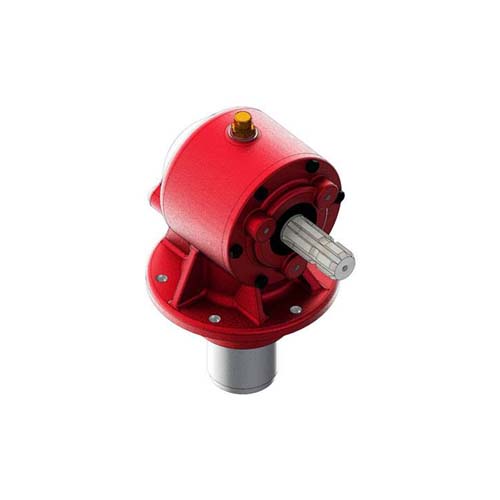
Differences between Manual and Automatic Mower Gearboxes
Manual and automatic mower gearboxes differ in their operation, control, and convenience:
- Działanie: Manual gearboxes require the user to engage and disengage gears manually using a clutch or lever. Automatic gearboxes, on the other hand, change gears automatically based on speed and load conditions.
- Control: Manual gearboxes provide more direct control over gear selection, allowing the user to choose the appropriate gear for specific tasks. Automatic gearboxes, however, offer a hands-free experience with gear changes managed by the gearbox itself.
- Convenience: Automatic gearboxes are more convenient for users who prefer a hassle-free experience. They eliminate the need to manually shift gears, making operation simpler and more user-friendly.
- Complexity: Automatic gearboxes are more complex in design compared to manual ones due to the presence of sensors, electronic controls, and additional components required for automatic shifting.
- Efficiency: Manual gearboxes can provide better control over power delivery and may be more efficient in certain situations. However, automatic gearboxes optimize gear changes for fuel efficiency and performance.
- Cost: Automatic gearboxes are generally more expensive to manufacture and repair due to their complexity. Manual gearboxes are simpler and often more affordable.
The choice between manual and automatic mower gearboxes depends on user preference, the level of control desired, and the intended use of the mower. Both types have their advantages and disadvantages, and the decision should be based on the user’s needs and priorities.
Type of Oil for Mower Gearbox
Choosing the right oil for your mower gearbox is essential for optimal performance and longevity. The specific type of oil you should use depends on the manufacturer’s recommendations and the design of your mower gearbox. Here are the key factors to consider:
- Manufacturer’s Guidelines: Always refer to the manufacturer’s manual or guidelines for the recommended type and viscosity of oil to use in your mower gearbox.
- Viscosity: The viscosity of the oil determines its thickness and ability to flow. Mower gearboxes typically require oils with specific viscosity ratings, such as SAE 80W-90 or SAE 90. These oils provide the right balance of lubrication and protection.
- Extreme Pressure (EP) Properties: Mower gearboxes experience high loads and pressures. Choose an oil labeled as “Extreme Pressure” (EP) as it contains additives that provide extra protection under heavy loads and prevent wear.
- Synthetic vs. Conventional: Synthetic oils offer enhanced performance and stability over a wide range of temperatures. They also provide better protection against heat and oxidation. However, consult the manufacturer’s guidelines to ensure compatibility.
- Usage Conditions: Consider the operating conditions of your mower. If you frequently mow in hot weather or under heavy loads, opt for an oil that can handle these conditions without breaking down.
- Quality: Choose high-quality oils from reputable brands to ensure consistent performance and protection for your mower gearbox.
- Oil Change Intervals: Follow the recommended oil change intervals specified by the manufacturer. Regular oil changes help maintain optimal lubrication and prevent excessive wear.
- Compatibility: Ensure that the oil you choose is compatible with any seals, gaskets, and materials used in your mower gearbox.
Ultimately, using the correct type of oil in your mower gearbox will help maintain smooth operation, reduce friction, and extend the lifespan of the gearbox components.


editor by lmc 2024-11-27


