
Descrição do produto
HangZhou CHINAMFG Machinery Co., Ltd.has been specialising in the manufacture and export of RV series worm gearboxes and other power transmission products for years, dedicated to provide to our customers good quality products in competitive prices. The main products are RV series worm gear speed reducers, UD series mechanical speed variators, G3 series helical geared motors and the specially designed reducers for polishing machines. Our products are widely used in the mechanical apparatus for foodstuff, ceramics, package, chemical, printing, and plastics, etc.
Xihu (West Lake) Dis.d by the idea, “Quality is the very key.”. the company proceeds in strict quality control to all the products, complying with the requirements of ISO9001:2008, and certificated, which has enabled our products to have enjoyed the successful sales, popularity and good reputation among the markets of Europe, Mid-east, and Souteast Asia.
SMRV worm gearbox, once it is ready, everyone will be test before sending out.
.
Innovation, good quality, customers’ satisfication, and excellent service are the principles of the company. All customers at home and abroad are warmly welcome to contact us and negotiate for mutual business expansion.
| Modelo | RV 130 150 |
| Single unit versions | NMRV – fitted for motor flanged coupling, |
| NRV – with input shaft, | |
| NMRV-E motor flanged coupling with worm extension shaft, | |
| NRV-E with double extension worm shaft, | |
| Poder | 0.06—-15KW |
| Single unit reduction ratio | 1:5 7.5 80 100 |
| Output torque | 2.6—1195N.M |
| Worm shaft material | 20CrMnTi with carburizing and quenching.The hardness of surface is 56-62HRC with carbonized layer 0.5-0.8mm |
| Worm wheel material | worm mandrel is HT250,and worm ring gear,ZQSn10-1,hardness is 60HRC |
| Aplicativo: | Motor, Electric Cars, Motorcycle, Machinery, Marine, Toy, Agricultural Machinery, Car |
|---|---|
| Função: | Distribution Power, Clutch, Change Drive Torque, Change Drive Direction, Speed Changing, Speed Reduction, Speed Increase |
| Layout: | Cicloide |
| Exemplos: |
US$ 48/Piece
1 unidade (pedido mínimo) | Solicitar amostra |
|---|
| Personalização: |
Disponível
| Solicitação personalizada |
|---|
.shipping-cost-tm .tm-status-off{background: none;padding:0;color: #1470cc}
|
Custo do frete:
Frete estimado por unidade. |
sobre o custo do frete e o prazo estimado de entrega. |
|---|
| Método de pagamento: |
|
|---|---|
|
Pagamento inicial Pagamento integral |
| Moeda: | US$ |
|---|
| Devoluções e reembolsos: | Você pode solicitar um reembolso em até 30 dias após o recebimento dos produtos. |
|---|
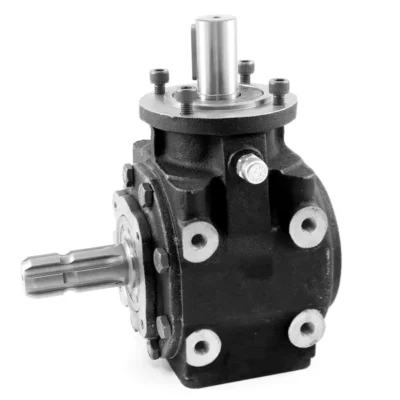
Ajustando a tensão da correia da caixa de engrenagens de um cortador de grama
O ajuste correto da tensão da correia da caixa de engrenagens do seu cortador de grama é crucial para o desempenho ideal e a durabilidade da correia. Siga estes passos para ajustar a tensão:
- Preparação: Desligue o motor do cortador de grama e desconecte o cabo da vela de ignição para garantir a segurança.
- Localize o mecanismo de ajuste: Identifique o mecanismo de ajuste de tensão no cortador de grama. Pode ser um parafuso de tensionamento, um suporte ajustável ou outro mecanismo, dependendo do modelo do cortador.
- Afrouxe os parafusos: Se o seu cortador de relva tiver parafusos de tensionamento, afrouxe ligeiramente os parafusos de fixação que prendem a caixa de engrenagens. Isto permite que a caixa de engrenagens se mova e ajuste a tensão.
- Ajustar a tensão: Utilize o mecanismo de ajuste de tensão para aumentar ou diminuir a tensão da correia. Consulte o manual do seu cortador de grama para obter as especificações de tensão recomendadas.
- Verificar tensão: Após o ajuste, verifique a tensão pressionando a correia no ponto médio entre as polias. A correia deve ceder um pouco, mas não excessivamente. Verifique também se as polias estão alinhadas corretamente.
- Aperte os parafusos: Após ajustar a tensão corretamente, aperte os parafusos de fixação da caixa de câmbio para prendê-la no lugar.
- Operação de teste: Reconecte o cabo da vela de ignição e ligue o cortador de grama para observar o funcionamento da correia. Preste atenção a quaisquer ruídos incomuns e verifique se a correia está encaixada corretamente nas polias.
Verificar e ajustar regularmente a tensão da correia da caixa de velocidades garante uma transmissão de potência eficiente e evita o desgaste prematuro. Se tiver dúvidas sobre o ajuste correto da tensão, consulte o manual do seu cortador de relva ou procure a ajuda de um profissional.
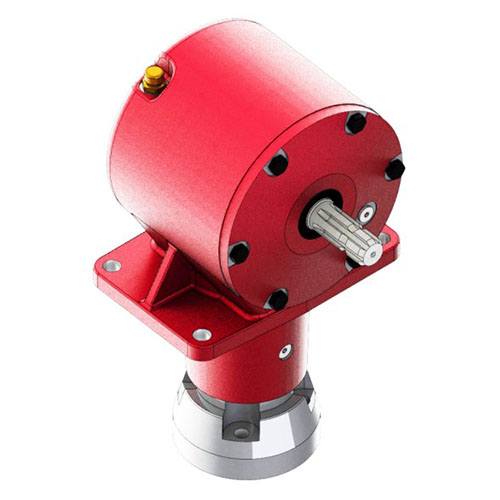
Solução de problemas de ruídos estranhos na caixa de engrenagens de um cortador de grama
Se ouvir ruídos estranhos vindos da caixa de engrenagens do seu cortador de relva, siga estes passos para solucionar o problema:
- Identifique o ruído: Determine o tipo de ruído, como rangido, guincho ou batida. Ruídos diferentes podem indicar problemas diversos.
- Verificar lubrificação: A lubrificação insuficiente ou contaminada pode causar ruídos incomuns. Verifique o nível e a condição do óleo da caixa de câmbio e substitua-o, se necessário.
- Inspecionar engrenagens e rolamentos: Engrenagens e rolamentos desgastados, danificados ou desalinhados podem gerar ruído. Inspecione esses componentes quanto a desgaste, lascas ou desalinhamento.
- Aperte os fixadores: Parafusos e fixadores soltos podem causar vibração e ruído. Verifique e aperte todos os fixadores que conectam a caixa de engrenagens ao cortador de grama.
- Verifique a tensão da correia: Uma correia de transmissão frouxa ou desalinhada pode causar ruído. Ajuste a tensão da correia de acordo com as instruções do fabricante.
- Inspecione os componentes da embreagem: Se o seu cortador de grama tiver embreagem, componentes desgastados ou danificados podem causar ruído. Inspecione o conjunto da embreagem para verificar se há algum problema.
- Examine os componentes da lâmina: Se o ruído estiver relacionado ao engate das lâminas, verifique se o conjunto das lâminas está danificado, alinhado e balanceado.
- Limpeza de detritos: Detritos, sujeira e restos de grama podem se acumular na caixa de engrenagens e causar ruído. Limpe-a completamente e remova quaisquer obstruções.
- Procure ajuda profissional: Se você não conseguir identificar ou solucionar o problema, consulte um técnico profissional ou uma assistência técnica para diagnóstico e reparo.
A manutenção regular e a identificação imediata de ruídos incomuns podem ajudar a prevenir danos maiores e garantir o bom funcionamento da caixa de engrenagens do seu cortador de grama.
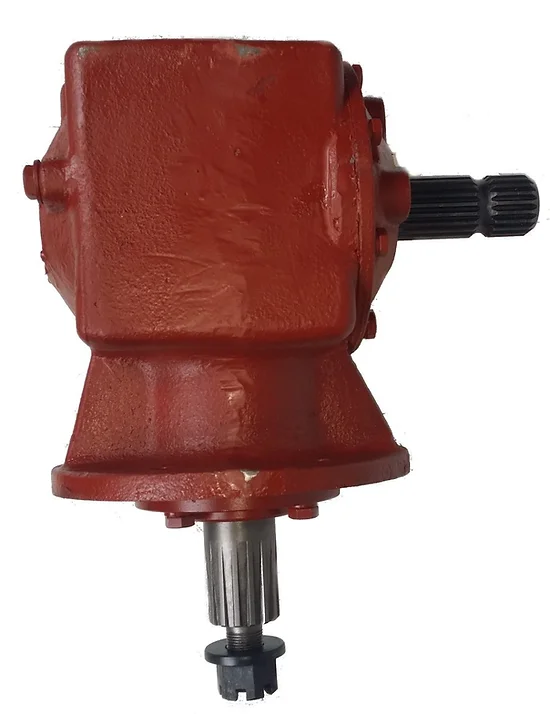
Type of Oil for Mower Gearbox
Choosing the right oil for your mower gearbox is essential for optimal performance and longevity. The specific type of oil you should use depends on the manufacturer’s recommendations and the design of your mower gearbox. Here are the key factors to consider:
- Manufacturer’s Guidelines: Always refer to the manufacturer’s manual or guidelines for the recommended type and viscosity of oil to use in your mower gearbox.
- Viscosity: The viscosity of the oil determines its thickness and ability to flow. Mower gearboxes typically require oils with specific viscosity ratings, such as SAE 80W-90 or SAE 90. These oils provide the right balance of lubrication and protection.
- Extreme Pressure (EP) Properties: Mower gearboxes experience high loads and pressures. Choose an oil labeled as “Extreme Pressure” (EP) as it contains additives that provide extra protection under heavy loads and prevent wear.
- Synthetic vs. Conventional: Synthetic oils offer enhanced performance and stability over a wide range of temperatures. They also provide better protection against heat and oxidation. However, consult the manufacturer’s guidelines to ensure compatibility.
- Usage Conditions: Consider the operating conditions of your mower. If you frequently mow in hot weather or under heavy loads, opt for an oil that can handle these conditions without breaking down.
- Quality: Choose high-quality oils from reputable brands to ensure consistent performance and protection for your mower gearbox.
- Oil Change Intervals: Follow the recommended oil change intervals specified by the manufacturer. Regular oil changes help maintain optimal lubrication and prevent excessive wear.
- Compatibility: Ensure that the oil you choose is compatible with any seals, gaskets, and materials used in your mower gearbox.
Ultimately, using the correct type of oil in your mower gearbox will help maintain smooth operation, reduce friction, and extend the lifespan of the gearbox components.


editor by CX 2023-10-10


