
Heavy-Duty Manure Spreader Gearbox — Engineered to Outlast and Outperform
Your manure spreader depends on a gearbox that can translate raw PTO power into productive organic fertilizing force — reliably, efficiently, and without unexpected failure. That is exactly what our Manure Spreader agricultural gearbox delivers. The manure spreader gearbox drives the rear beater bars or vertical spinners that shred and project organic material. Mounted at the spreader’s discharge end, it operates in an extremely harsh environment — exposed to corrosive manure, moisture, and constant impact loading.
We engineer each gearbox specifically for the mechanical profile of organic fertilizing. The gear geometry, bearing selection, and housing design are all optimized for the load patterns, duty cycles, and environmental exposures unique to manure spreader operations across Australian farming conditions.

⚙ Manure Spreader Gearbox — Engineering Data Sheet
The following table presents key engineering parameters for our agricultural manure spreader gearbox. Every specification listed can be modified through our custom manufacturing service.
| Specification | Rated Value | Customization |
|---|---|---|
| Lubrificante recomendado | full-synthetic 75W-140 | Compatível com óleos sintéticos e biológicos |
| Drain Plug Type | Sight glass + drain combo | Sampling port option |
| Noise at 1m Distance | ≤ 75 dB(A) | Low-noise profiles optional |
| Número de estágios de engrenagem | 1 | Multiestágios para altas taxas de conversão |
| Ambient Temperature Range | -30°C to +80°C | Arctic / tropical variants |
| Maximum Continuous Torque | 120 – 700 Nm | Peak torque: 150% of continuous |
| Net Weight | 50 kg | Varies by configuration |
| Eficiência na carga nominal | 96% | Medido em dinamômetro |
| Overload Protection | Friction disc clutch | Adjustable trip settings |
| Torque máximo de entrada | 300 Nm | Com proteção contra sobrecarga |
| Output Speed Range | 257 – 2038 RPM | Depends on selected ratio |
| Tipo de eixo de saída | Flanged output | Configurações de saída personalizadas |
| Tipo de engrenagem primária | Helical Gears | Perfis dentários personalizados sob encomenda |
| Respiro/Ventilação | Screw-in breather cap | Tipos para todos os climas |
| Oil Capacity | 3.5 litres | Oversized sump available |
| Dureza da superfície da engrenagem | HRC 57 – 63 | Carburado + moído |
| Lubrication Method | Mist lubrication | Forced lube for high-duty cycles |
| Shaft Seal Type | Double-Lip Oil Seal | Triple-lip and cassette options |
| Eixo de entrada estriado | 6 estrias (1-3/8″) / 21 estrias (1-3/4″) | 20 estrias, 8 estrias sob encomenda |
| Available Gear Ratios | 1:1 to 1:6 | Non-standard ratios manufactured to order |
Entre em contato conosco equipe de engenharia for a detailed specification sheet tailored to your manure spreader model and organic fertilizing conditions.
🏆 Performance Advantages — Why Our Manure Spreader Gearbox Leads the Field
Professional organic fertilizing operators know that gearbox quality directly impacts productivity. This comparison proves why our Manure Spreader gearbox é a escolha profissional:
| Feature | Budget / Import Gearbox | Our Premium Manure Spreader Gearbox |
|---|---|---|
| Material e tratamento da engrenagem | Aço fundido, temperado apenas na superfície, revestimento raso | Liga 20CrMnTi, cementada a vácuo, retificada com precisão de acordo com a Classe 11 da AGMA. |
| Peças de reposição | Parts catalogue unavailable | Standardized parts across model range |
| Bearing Specification | Standard open bearings, no pre-load | Double-row tapered rollers, sealed-for-life lubrication option |
| Projeto de Habitação | Recycled aluminium casting with porosity issues | FEA-optimized ductile iron with reinforced ribbing, wall thickness 2x industry avg |
| Eficiência Operacional | 85-90% — significant power loss as heat | 95-97% — independently verified on calibrated dynamometer |
| Proteção de superfície | Single-coat spray paint, peels after one season | Shot-blasted + zinc phosphate + PU topcoat — 5-year warranty |
| Expected Service Life | Unpredictable — many fail within first season | 4,000-6,000 hours MTBF (Mean Time Between Failures) |
Resumindo: Budget manure spreader gearboxes may save 30-40% upfront but cost 3-5x more through failures and lost productivity. Our Manure Spreader gearbox É a escolha do profissional.
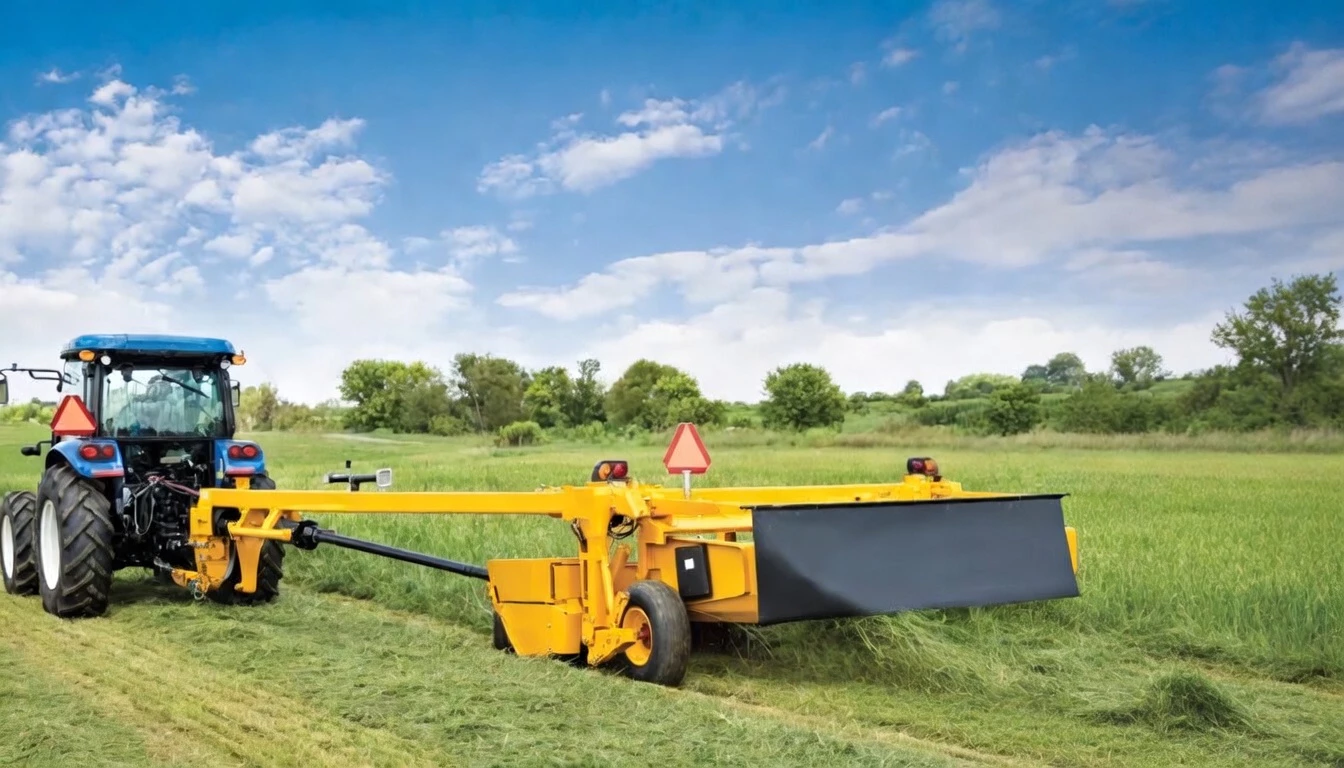
⚙ How the Manure Spreader Gearbox Works — Mechanical Principles
Here is how our Manure Spreader gearbox converts PTO output into productive organic fertilizing power:
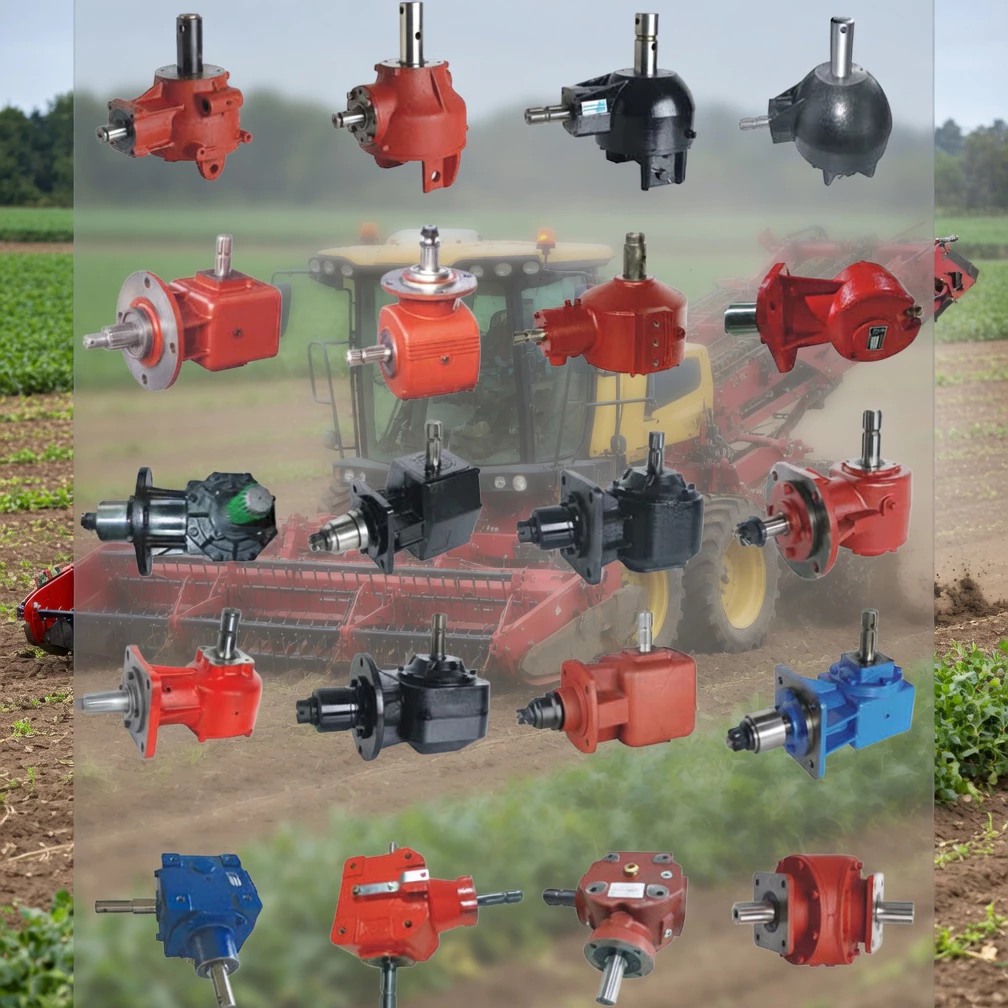
🔄 Which OEM Manure Spreader Gearboxes Does Ours Replace?
The following OEM references are included as a fitment guide. We are independent manufacturers with no affiliation to the brands listed.
Click each manufacturer below to see verified compatible manure spreader models:
AGCO ✅
Fantini ✅
Kioti ✅
John Deere ✅
Manitou ✅
Lemken ✅
Parts & Service Support
- Bearing rebuild kits with spacers and shims
- Seal & gasket replacement kits
- Matched gear pairs — pinion and wheel
- Input and output shaft assemblies
🔎 Buyer’s Checklist — Manure Spreader Gearbox Selection Made Simple
Use this step-by-step guide to identify the exact gearbox model for your manure spreader. Click each step for detailed instructions.
💡 Pro Tip: For fastest service, email us the old gearbox part number (if visible), your tractor brand and model, and your manure spreader manufacturer and model. Our engineers will confirm the exact match and provide a quotation within one business day.
🛠 Installation Procedure for Your Manure Spreader Gearbox
This guide covers the complete process of replacing the gearbox on your manure spreader. Each step includes specific details for organic fertilizing equipment — follow them in sequence for best results.
Step 1 — Prepare the Mounting Surface
Scrape any old gasket material or RTV sealant from the manure spreader’s gearbox mounting face. Use a flat file to remove any burrs around bolt holes. Verify all mounting holes align correctly by test-fitting the new gearbox without bolts. Check for flatness — a feeler gauge should show less than 0.1mm across the mounting surface.
Step 2 — Remove Old Gearbox
Detach the driveline yoke from the gearbox input. If the gearbox also has an output coupling to the beater/spinner, disconnect that as well. Support the gearbox from below with a hydraulic jack. Remove the mounting fasteners progressively, keeping at least two bolts finger-tight until you are ready to slide the unit out.
Step 3 — Post-Installation Checks (10-Hour Service)
Perform a 10-hour service: re-check mounting bolt torque, inspect for leaks, verify oil level, and confirm the PTO safety guard is in place. Clean any accumulated debris from the gearbox housing to maintain effective heat dissipation. Log the installation details in your equipment maintenance records.
Step 4 — Drain & Document Old Gearbox
Place a collection pan beneath the gearbox. Remove both the fill and drain plugs to speed drainage. While oil drains, photograph the gearbox nameplate, mounting arrangement, and driveline connection — these images are invaluable if questions arise during installation of the new unit.
Step 5 — Connect Output to beater/spinner
Connect the output coupling to the beater/spinner drive on your manure spreader. Ensure the shaft engagement depth meets the minimum specified in the manual. Tighten all retaining hardware to the correct torque value. After connection, rotate the output by hand to verify smooth, unrestricted movement.
Step 6 — Safety Preparation
Position the manure spreader on a flat, stable surface and immobilize the tractor. Disengage the PTO and shut down the engine. Remove the ignition key to prevent accidental start-up. Wait at least 15 minutes for hot surfaces to cool. Gather your tool kit: socket set, torque wrench, clean containers for oil, and the installation manual.
Step 7 — Fill With Lubricant
Add gear oil through the fill port. Use the grade recommended in the installation manual. Fill until oil just begins to weep from the level check hole (if provided) or reaches the bottom of the fill port. Wipe any spilled oil from the housing. Confirm the magnetic drain plug is fully seated.
⚠ Important: For safety, never work under unsupported equipment. Use proper lifting devices when handling the gearbox unit.
🚧 Symptom-Cause-Fix Guide for Your Manure Spreader Gearbox
Even the best-engineered gearbox may encounter operational issues over its service life. This guide covers the most common symptoms reported with manure spreader gearboxes and provides actionable field solutions.
⚠ Gearbox Running Excessively Hot
Likely cause: Operating beyond rated horsepower or duty cycle
What to do: Measure housing temperature (normal operating range: 40-80°C depending on ambient temperature). If consistently above 90°C, verify oil volume, clean the housing, and check that the gear ratio produces the correct output speed. An incorrect ratio forces the gearbox to work harder, generating excess heat.
⚠ Gearbox Produces a Metallic Clunking Sound on PTO Engagement
Likely cause: Loose internal components or retaining hardware
What to do: Check the PTO driveline length — a driveline that is slightly too long will ‘bottom out’ on engagement, creating a sharp metallic sound. Verify all external hardware (mounting bolts, guard brackets, driveline clamps) is secure. If the sound comes from inside the gearbox under load, internal inspection is recommended.
⚠ Abnormal Grinding or Whining Noise
Likely cause: Insufficient lubricant or incorrect oil grade
What to do: Check oil level immediately — low oil is the most common cause of gear noise in manure spreader gearboxes. If oil level is correct, the lubricant may have degraded — perform a complete oil change. Persistent noise indicates internal wear requiring professional assessment.
⚠ Excessive Vibration During Operation
Likely cause: Worn universal joints in the driveline
What to do: Vibration in a manure spreader gearbox system usually originates from the driveline, not the gearbox itself. Inspect the PTO shaft U-joints — a worn joint creates a twice-per-revolution vibration pulse. Confirm the driveline is the correct length for the tractor-to-implement distance. Re-torque the gearbox mounting bolts.
⚠ Oil Leaking from Shaft Seals
Likely cause: Overfilled oil level creating excess internal pressure
What to do: Inspect the breather cap — a blocked breather pressurizes the housing and forces oil past seals. Replace the breather and clean any debris. If leaking continues, replace the affected seal. Check the shaft surface under the seal for grooves or corrosion that may be cutting the seal lip.
For persistent or complex issues, our engineers provide remote diagnostic support via phone and email. We can also supply rebuild kits for in-workshop repairs. Reach our support team here.
📝 From the Field: Australian Farmers Review the Manure Spreader Gearbox
Our agricultural gearboxes are field-proven across every Australian state and territory. Below are documented case studies from recent Manure Spreader gearbox installations.
Owen Phelps — Armidale, NSW
Operation: broadacre cropping operation | Size: 1200 acres | Use: Manure Spreader gearbox for organic fertilizing
Reason for purchase: New equipment build — specifying aftermarket gearbox as OEM improvement
“The oil-tight sealing on this gearbox is remarkable. After 1706 hours of operation in wet environment, the oil comes out clean at service time. Previous gearboxes always had contaminated oil by the first oil change.”
📍 Case #3: Naracoorte, SA
| Customer: | Noel Dunn — cooperative farming group |
| Location: | Naracoorte, SA |
| Farm Size: | 1500 acres |
| Aplicativo: | Manure Spreader gearbox for manure spreader — organic fertilizing |
| Purchase Reason: | Emergency mid-season replacement after catastrophic original gearbox failure |
“The custom ratio option was a game-changer for our operation. We needed a non-standard output speed that no other supplier could provide. The engineering team designed a solution within a week and it worked perfectly from day one.”
— Noel Dunn, Naracoorte, SA
Carl Jennings — Brisbane, QLD
Operation: mixed farming enterprise | Size: 1500 acres | Use: Manure Spreader gearbox for organic fertilizing
Reason for purchase: Fleet standardisation — transitioning all manure spreader equipment to a single gearbox supplier
“We operate in a tropical climate and corrosion has been a persistent problem with gearboxes. The coating on this unit is noticeably more robust — no rust after 1 full seasons of outdoor storage.”
❓ Manure Spreader Gearbox FAQ — Everything You Need to Know
Q1: What documentation ships with the gearbox?
Every gearbox ships with: installation manual with torque specifications, lubrication and maintenance schedule, parts diagram with individual part numbers, warranty registration card, and a quality inspection certificate with the unit’s serial number and test results.
Q2: Can this gearbox withstand the shock loads generated during organic fertilizing?
The gearbox is specifically designed for the dynamic and impact loading characteristic of organic fertilizing applications. Case-hardened alloy steel gears absorb repetitive shocks, while the optional overload protection (shear bolt or slip clutch) safeguards against catastrophic overload events. The bearing selection and housing rigidity are both matched to manure spreader load profiles.
Q3: What payment and ordering options do you offer?
We accept bank transfer, credit card, and purchase orders from established accounts. For large orders, we offer 30-day payment terms subject to credit approval. Orders can be placed through our website, by email, or by phone. Pro-forma invoices are available for pre-payment arrangements.
Q4: What gear ratios are available for the manure spreader gearbox?
We offer a comprehensive range of ratios from 1:1 through 1:6 to match virtually any manure spreader configuration. Standard catalogue ratios ship within days; custom ratios can be manufactured within 2-3 weeks. Our engineers will recommend the optimal ratio based on your tractor PTO speed and organic fertilizing requirements.
Q5: How do I determine the correct gearbox model for my equipment?
Provide us with your tractor brand/model and PTO speed, the manure spreader manufacturer and model, and the old gearbox part number if available. Alternatively, measure the input/output shaft dimensions and mounting bolt pattern. Our selection engineers will identify the correct match, typically within 24 hours.
Q6: Can the gearbox be serviced or rebuilt in the field?
Routine service (oil changes, seal replacement, bearing inspection) can be performed on-site with standard tools. For major rebuilds, we supply complete overhaul kits containing all bearings, seals, and gaskets. Detailed service manuals and video guides are available for download from our support portal.
Q7: What does the warranty cover and for how long?
Our 24-month comprehensive warranty covers all defects in materials and workmanship, including bearings, gears, seals, and housing. It applies from the date of purchase and is backed by our ISO-certified quality management system. Extended warranty programs are available for bulk and fleet orders.
Q8: Do you provide technical support after purchase?
Yes — every purchase includes access to our engineering support team for installation guidance, troubleshooting, maintenance advice, and parts ordering. Support is available via phone, email, and our online contact form. There is no charge for technical support during or after the warranty period.
Q9: Do you deliver to remote farming areas in Australia?
Yes — we ship to every postcode in Australia, including remote and regional areas. We use experienced agricultural freight carriers who understand the urgency of seasonal equipment needs. Express shipping is available for emergency breakdown situations, and we maintain stock for immediate dispatch of popular models.
Q10: What is the expected lifespan under continuous organic fertilizing operation?
Our Manure Spreader gearbox is rated for 3,000 to 5,000+ operating hours with proper maintenance. Many customers in intensive Australian operations report achieving 5,000+ hours before requiring any internal service. Key factors affecting lifespan include oil change frequency, operating load, and environmental conditions.
🔧 Complementary Components for Organic Fertilizing Equipment
Maximize your organic fertilizing equipment reliability with these complementary products designed to work with our Manure Spreader gearbox.
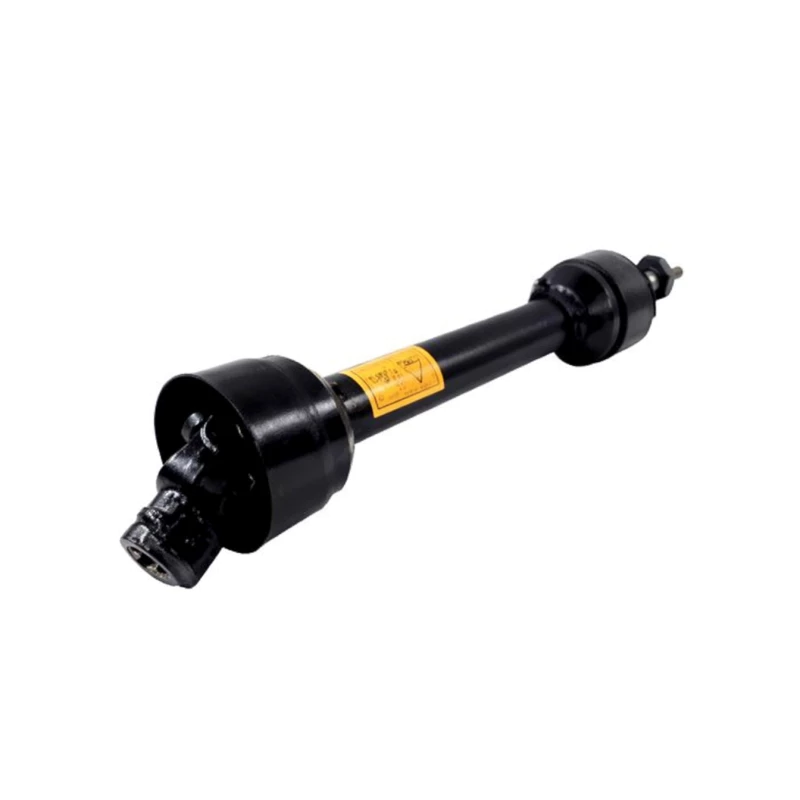
PTO Shaft Range
Complete PTO driveline kits with dynamically balanced shafts, heavy-duty U-joints, and torque-rated safety clutch. Sized to match our Manure Spreader gearbox input.
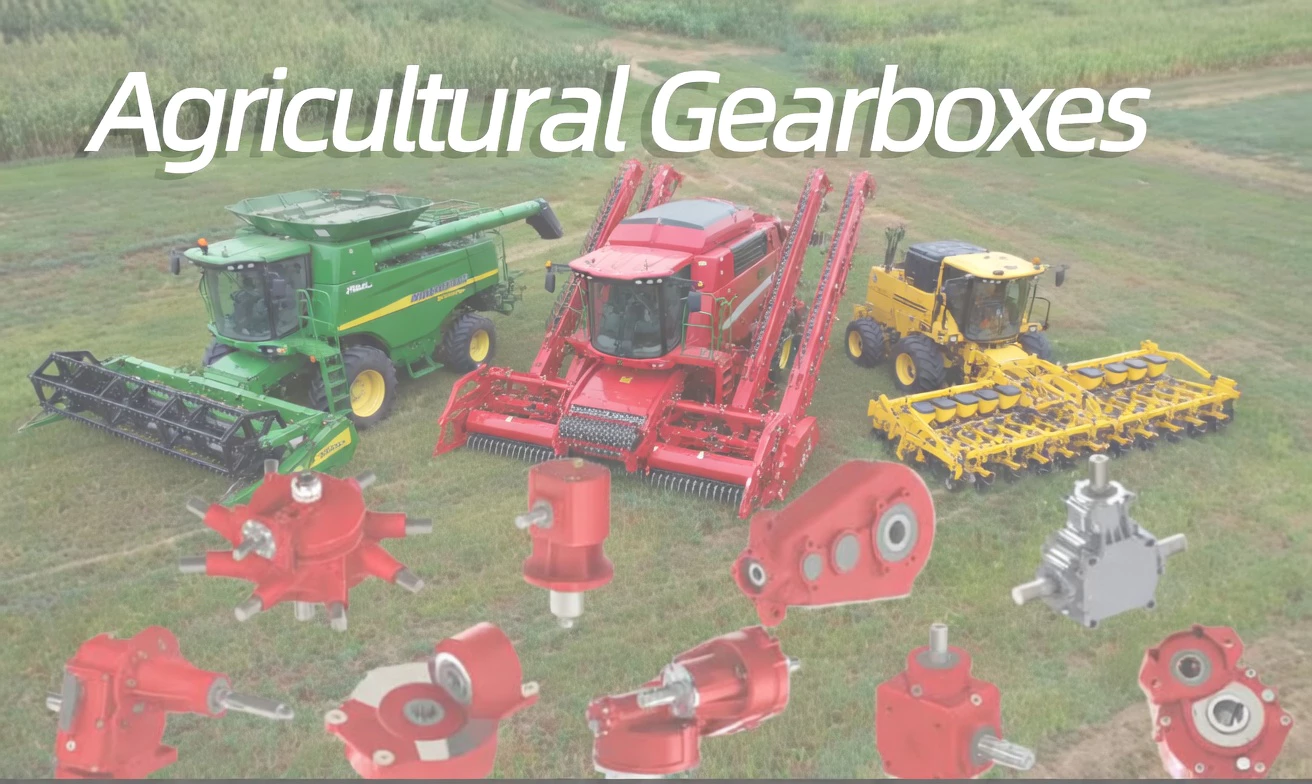
Gearbox Catalogue
We manufacture gearboxes for over 50 different implement types. Explore our range for consistent quality across all your agricultural equipment needs.
⚖ Safety Standards for Manure Spreader Equipment in Australia
Compliance with Australian safety standards protects your workers and your business. The following standards and regulations apply to Manure Spreader agricultural gearbox installations:
Regulatory Framework
ISO 12100 — Safety of Machinery
AS 1636 — Agricultural Machinery Safety
AS 4024 — Safeguarding of Machinery
State Workplace Safety Legislation
ACT — WHS Regulation 2011
Victoria — OHS Regulations 2017
South Australia — WHS Regulations 2012
Serving Every Agricultural Region in Australia
We deliver Manure Spreader agricultural gearboxes to every state and territory in Australia. Our logistics network covers major farming regions including the Katherine region, the Douglas Daly, and the Top End, the Riverina, the Murrumbidgee Irrigation Area, and the Liverpool Plains, and the Midlands and North West TAS. Whether you operate in a metropolitan fringe area or a remote pastoral station, we ship directly to your property with full tracking and delivery confirmation.
📧 Request a Custom Quotation — Manure Spreader Gearbox
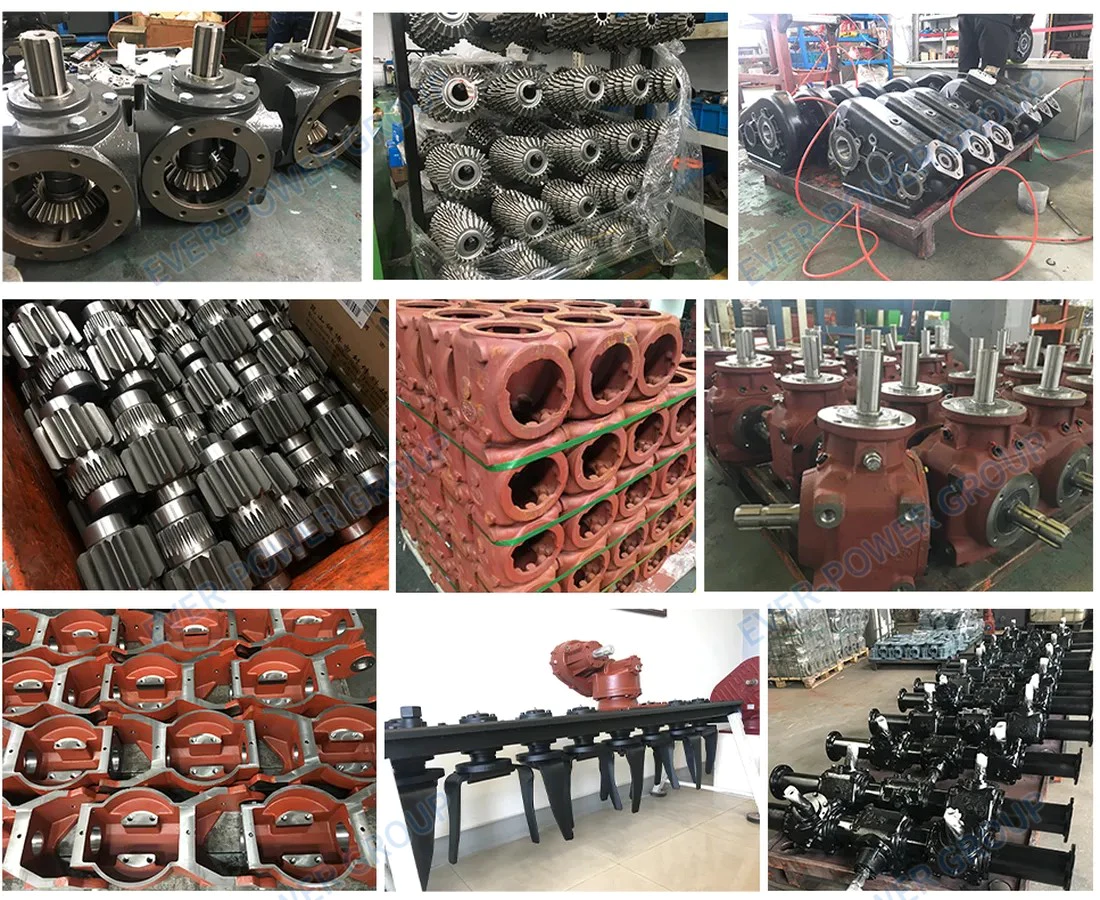
Beyond Standard — Custom Solutions Welcome
Need something different? We manufacture non-standard agricultural gearboxes to customer specifications daily. Modified ratios, custom housings, special shaft configurations, unique mounting patterns — if you can define it, we can build it.
Get a personalised quotation for your Manure Spreader gearbox
Your trusted partner for agricultural gearbox solutions — standard and custom — across Australia and worldwide.


