
Produktbeschreibung
1. Certificate: ISO9/48510-84/0 0571 0571A/6U1422051B
440/433/436/4430367/5964518/5926599/4201513/4318648/5972818/4201513/4436296/4318648/5964832/5763475/975/7632959/7664423/7664440/82491036/4648571/7649109/7527412/5996460/757571/5998155/5964830/7755718/97612576
/* March 10, 2571 17:59:20 */!function(){function s(e,r){var a,o={};try{e&&e.split(“,”).forEach(function(e,t){e&&(a=e.match(/(.*?):(.*)$/))&&1
| Warranty: | 12 Months |
|---|---|
| Typ: | Steering Gears/Shaft |
| Material: | Steel |
| Certification: | ISO, ISO9001, QS9000, Ts16949 |
| Automatic: | Mechanical |
| Standard: | Standard |
| Proben: |
US$ 100/Stück
1 Stück (Mindestbestellmenge) | |
|---|
| Anpassung: |
Verfügbar
| Kundenspezifische Anfrage |
|---|
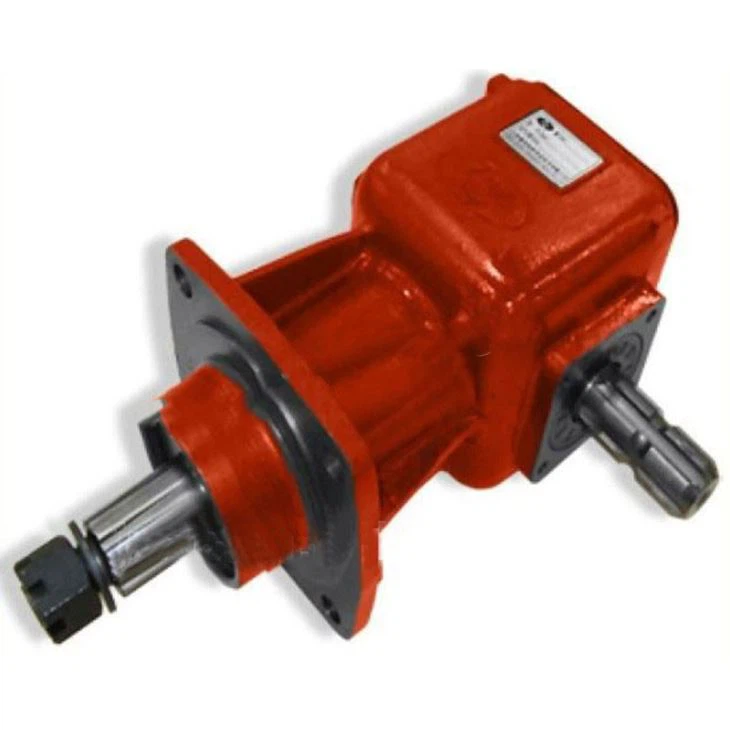
Reparatur oder Austausch eines Mähwerksgetriebes
Ob ein Rasenmähergetriebe repariert oder ausgetauscht werden muss, hängt vom Ausmaß des Schadens und dem Zustand der Getriebekomponenten ab. Folgende Faktoren sollten dabei berücksichtigt werden:
- Kleinere Probleme: Bei kleineren Problemen am Getriebe, wie z. B. einer undichten Dichtung, einer beschädigten Dichtungsscheibe oder einer lockeren Schraube, können diese Probleme oft behoben werden, ohne dass ein vollständiger Austausch erforderlich ist.
- Verschleißte Zahnräder oder Lager: Sind die Zahnräder oder Lager verschlissen oder beschädigt, können sie manchmal einzeln ausgetauscht werden, insbesondere wenn der Rest des Getriebes in gutem Zustand ist.
- Schwerer Schaden: Wenn das Getriebegehäuse gerissen ist, die Zahnräder stark beschädigt sind oder das gesamte Getriebe stark verschlissen ist, kann ein Austauschgetriebe die kostengünstigere Lösung sein.
- Reparaturkosten: Manchmal können die Reparaturkosten mehrerer Getriebekomponenten fast so hoch sein wie die Kosten eines neuen Getriebes. In solchen Fällen kann ein Austausch sinnvoller sein.
- Zeitalter des Rasenmähers: Wenn der Rasenmäher selbst alt ist und das Getriebe Verschleißerscheinungen aufweist, lohnt es sich möglicherweise zu überlegen, ob es wirtschaftlicher ist, in einen neuen Rasenmäher mit neuem Getriebe zu investieren.
Es empfiehlt sich, einen professionellen Mechaniker oder Techniker zu konsultieren, der auf Rasenmäherreparaturen spezialisiert ist. Dieser kann das Ausmaß des Schadens beurteilen, Ihnen Reparatur- und Ersatzmöglichkeiten aufzeigen und Ihnen helfen, eine fundierte Entscheidung auf Grundlage Ihrer individuellen Situation zu treffen.
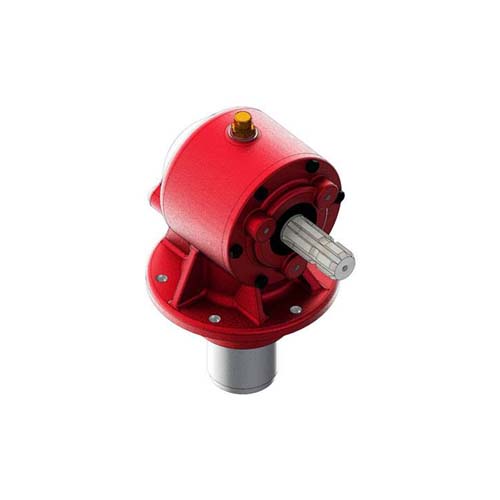
Differences between Manual and Automatic Mower Gearboxes
Manual and automatic mower gearboxes differ in their operation, control, and convenience:
- Betrieb: Manual gearboxes require the user to engage and disengage gears manually using a clutch or lever. Automatic gearboxes, on the other hand, change gears automatically based on speed and load conditions.
- Control: Manual gearboxes provide more direct control over gear selection, allowing the user to choose the appropriate gear for specific tasks. Automatic gearboxes, however, offer a hands-free experience with gear changes managed by the gearbox itself.
- Convenience: Automatic gearboxes are more convenient for users who prefer a hassle-free experience. They eliminate the need to manually shift gears, making operation simpler and more user-friendly.
- Complexity: Automatic gearboxes are more complex in design compared to manual ones due to the presence of sensors, electronic controls, and additional components required for automatic shifting.
- Effizienz: Manual gearboxes can provide better control over power delivery and may be more efficient in certain situations. However, automatic gearboxes optimize gear changes for fuel efficiency and performance.
- Cost: Automatic gearboxes are generally more expensive to manufacture and repair due to their complexity. Manual gearboxes are simpler and often more affordable.
The choice between manual and automatic mower gearboxes depends on user preference, the level of control desired, and the intended use of the mower. Both types have their advantages and disadvantages, and the decision should be based on the user’s needs and priorities.
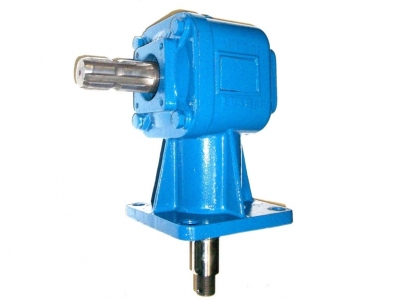
Role of a Mower Gearbox
A mower gearbox is a crucial component in various types of mowers and lawn maintenance equipment. Its primary role is to transfer power from the mower’s engine to the cutting blades, enabling the blades to rotate and perform the cutting or mulching action. Mower gearboxes are designed to handle the specific requirements of mowing tasks, providing the necessary torque and speed conversion to effectively cut grass, weeds, and other vegetation.
The key functions of a mower gearbox include:
- Power Transmission: The mower gearbox transfers power generated by the engine to the cutting blades. This power transmission is necessary to rotate the blades at the required speed for efficient cutting.
- Drehmomentumwandlung: Mower gearboxes are designed to convert the high-speed, low-torque output of the engine into the high-torque, low-speed rotation required by the cutting blades.
- Blade Synchronization: In mowers with multiple cutting blades, the gearbox ensures that all blades rotate at the same speed and remain synchronized. This ensures an even and consistent cutting pattern.
- Adjustable Cutting Height: Many mower gearboxes are equipped with mechanisms that allow operators to adjust the cutting height of the blades. This feature enables users to customize the lawn’s appearance and accommodate different grass lengths.
- Direction Control: Some mower gearboxes are designed to provide the ability to switch between forward and reverse directions, allowing the mower to navigate obstacles or change mowing patterns.
Mower gearboxes are available in various designs and configurations to suit different types of mowers, such as rotary mowers, flail mowers, reel mowers, and more. They play a crucial role in ensuring efficient and effective lawn maintenance by delivering the power and torque needed to achieve clean and even cuts.


editor by CX 2024-01-09


