
Description du produit
WPDO speed reducer,; worm gear box
| Rated Power | 2.;0~3.;0kw |
| Output Speed | 23~140rpm |
| Output Torque | 19-2745n.;M |
| Ratio | 1/10~1/60 |
Model NO.;:; WP series Manufacturing Method:; Cast Gear
Toothed Portion Shape:; Spur Gear Type:; Worm and Wormwheel
Gearing Arrangement:; Worm Output Torque:; 19-2745n.;M
Rated Power:; 2.;2~3.;0kw Input Speed:; 1400
Output Speed:; 23~140rpm Place of Origin:; ZHangZhoug,;China
Model Number:; Wpdo Brand Name:; EED
Color:; Green,;Yellow or According to Custom Extra Service:; OEM Welcome!!!
Specification:; SGS,; ISO9001 Origin:; ZHangZhoug,; China
HS Code:; Worm gear box
1.; Widely used in turbines,; shaft liners and axletrees,; good resistance to wearing,; with high precision in dimensions,; lower noise,; advanced centric running castings
2.; Without vent and highly precision
3.; The whole structure is compact and the weight is larger
1.; Notice of installation
1.;1 Thebase-plate must be plane and stoutness,; and the base-plate must be screwed downand shockproof.;
1.;2 Theconnecting shaft of prime mover,; reducer and operation device must be coaxialinstallation.;
1.;3 Thediameter tolerance zone of input and output shaft is H6,; the holes of fittings(such as couplings,; belt-pulley,; sprocket wheel and so on); must properly matethe shaft,; which prevents bearing from breakage because of over-loose mate.;
1.;4 Driverssuch as sprocket wheel and gear must be fitted close to bearings in order toreduce bending stress of hanging shaft.; 1.;5 Whiteassembling motor of WPD reducer,; it is necessary that proper amount of butterapplies to the worm shaft input hole and keyway,; avoiding assembling tootightly and rusting after using for a long time.; 1.;6 WhenOrdering or using all kinds of WPD type,; if the motor weight is binger than thecommon,; supporting set is required.;
2.; Notices of usage
2.;1 Before using,; please check carefully whether the reducer model,; distance,; ratio,; input connecting method,; output shaft structure,; input and output shaftdirection and revolving direction accord with requirement.;
2.;2 According to the requirement of selecting lubricant oil in the productmanual,; please fill proper category and brand lubricant.; And then screw on thevent-plug; Unlock the small cone-plug of vent-plug.; Only after doing these,; reducer is already for starting up running.; The proper brand and adequatelubricant oil is required,; replacing oil in time conforming to the request ofproduct manual is also necessary,; especially after using first 100 hours,; it isrequired refilling new oil.;
2.;3 Whenabnormal circumstances occur,; please stop and check reducer per solutions andreasons for faults of reducer (allowable highest oil temperature is 95,; under this temperature limit,; ifoil temperature no more goes up,; please let reducer continue running);
| Application: | Motor, Machinery, Agricultural Machinery |
|---|---|
| Hardness: | Hardened Tooth Surface |
| Installation: | Horizontal Type |
| Layout: | Coaxial |
| Gear Shape: | Conical – Cylindrical Gear |
| Step: | Single-Step |
| Personnalisation : |
Disponible
| Demande personnalisée |
|---|
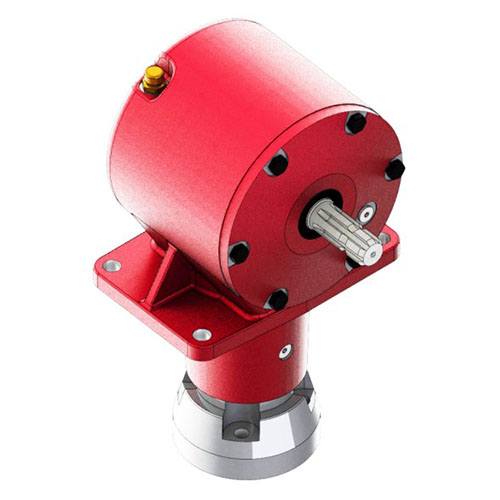
Upgrading Your Mower Gearbox for Improved Performance
If you’re looking to enhance the performance of your mower, upgrading the gearbox can be a viable option. Here’s what you should consider:
- Compatibility: Ensure that the upgraded gearbox is compatible with your mower’s make and model. Check for compatibility in terms of mounting, gear ratios, and power requirements.
- Performance Requirements: Identify the specific performance improvements you’re seeking. Whether it’s increased cutting power, improved speed, or better torque, choose a gearbox that aligns with your goals.
- Quality: Opt for a high-quality gearbox from reputable manufacturers. A superior gearbox will not only provide better performance but also greater durability and longevity.
- Professional Installation: Upgrading a gearbox might require technical expertise. Consider seeking professional assistance to ensure proper installation and integration with your mower.
- Cost-Benefit Analysis: Assess the cost of the upgrade against the expected performance gains. A well-calculated decision will help you determine if the upgrade is worth the investment.
- Warranty and Support: Choose an upgraded gearbox that comes with a warranty and reliable customer support. This provides peace of mind in case any issues arise after installation.
- Maintenance Considerations: Understand the maintenance requirements of the upgraded gearbox. Regular maintenance is essential to maintain its performance and longevity.
Upgrading your mower gearbox can indeed lead to improved performance, but it’s important to carefully research and choose the right gearbox for your specific needs. Consulting with experts and considering all factors can help you make an informed decision.
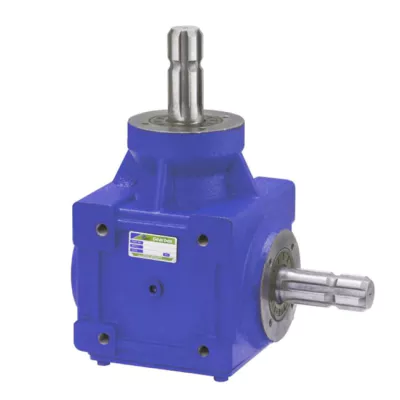
Problèmes courants des boîtes de vitesses des tondeuses et comment les réparer
Les boîtes de vitesses des tondeuses peuvent présenter divers problèmes au fil du temps. Voici quelques problèmes courants et leurs solutions potentielles :
- Fuite d'huile : Si vous constatez des fuites d'huile, inspectez les joints. Remplacez les pièces endommagées et remplissez la boîte de vitesses avec l'huile appropriée.
- Bruits étranges : Des bruits inhabituels peuvent indiquer des roulements ou des engrenages usés. Inspectez la boîte de vitesses et remplacez les pièces endommagées.
- Surchauffe: La surchauffe peut être due à un niveau d'huile insuffisant ou à un frottement excessif. Vérifiez le niveau et la qualité de l'huile et assurez-vous d'une lubrification adéquate.
- Mauvaises performances : Si la boîte de vitesses de la tondeuse ne fonctionne pas correctement, vérifiez la tension des courroies, l'alignement des poulies et l'état des engrenages. Ajustez ou remplacez les pièces nécessaires.
- Courroies qui glissent : Des courroies qui glissent peuvent provoquer une coupe irrégulière. Vérifiez la tension des courroies et ajustez-la conformément aux spécifications du fabricant.
- Manque de puissance : Si la tondeuse manque de puissance, vérifiez la boîte de vitesses et les courroies pour détecter toute obstruction et assurez-vous que les engrenages fonctionnent correctement.
- Vibration: Des vibrations excessives peuvent être dues à un déséquilibre des pales ou à des composants de la boîte de vitesses endommagés. Équilibrez les pales et vérifiez l'état de la boîte de vitesses.
- Engrenages bloqués : Si les engrenages se bloquent, vérifiez la présence de débris ou de dommages. Nettoyez la boîte de vitesses et remplacez les pièces usées ou endommagées.
- Roulements usés : Des roulements usés peuvent engendrer une augmentation des frottements et du bruit. Remplacez les roulements usés par des neufs pour assurer un fonctionnement optimal.
- Composants saisis : Si des pièces sont grippées, comme des poulies ou des arbres, vérifiez qu'elles ne sont pas endommagées ou corrodées. Lubrifiez ou remplacez les composants si nécessaire.
Pour tout problème complexe ou en cas de doute sur les réparations, il est recommandé de consulter le manuel de la tondeuse ou de demander l'aide d'un technicien professionnel ou d'un centre de service agréé.
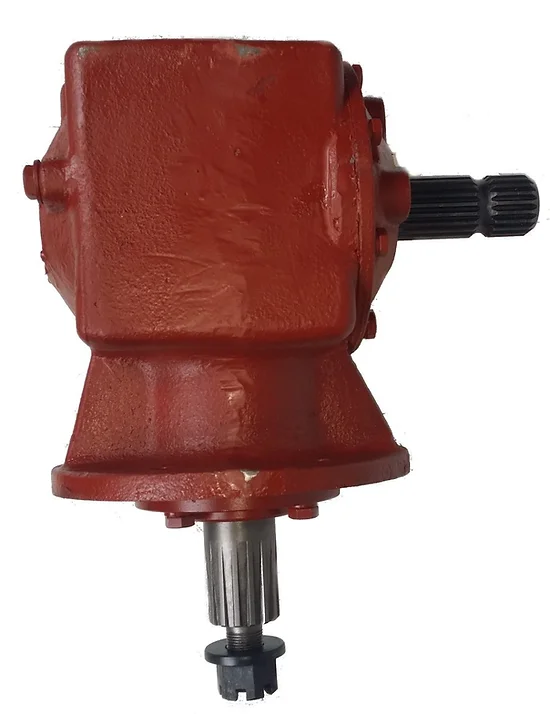
Type of Oil for Mower Gearbox
Choosing the right oil for your mower gearbox is essential for optimal performance and longevity. The specific type of oil you should use depends on the manufacturer’s recommendations and the design of your mower gearbox. Here are the key factors to consider:
- Manufacturer’s Guidelines: Always refer to the manufacturer’s manual or guidelines for the recommended type and viscosity of oil to use in your mower gearbox.
- Viscosity: The viscosity of the oil determines its thickness and ability to flow. Mower gearboxes typically require oils with specific viscosity ratings, such as SAE 80W-90 or SAE 90. These oils provide the right balance of lubrication and protection.
- Extreme Pressure (EP) Properties: Mower gearboxes experience high loads and pressures. Choose an oil labeled as “Extreme Pressure” (EP) as it contains additives that provide extra protection under heavy loads and prevent wear.
- Synthetic vs. Conventional: Synthetic oils offer enhanced performance and stability over a wide range of temperatures. They also provide better protection against heat and oxidation. However, consult the manufacturer’s guidelines to ensure compatibility.
- Usage Conditions: Consider the operating conditions of your mower. If you frequently mow in hot weather or under heavy loads, opt for an oil that can handle these conditions without breaking down.
- Quality: Choose high-quality oils from reputable brands to ensure consistent performance and protection for your mower gearbox.
- Oil Change Intervals: Follow the recommended oil change intervals specified by the manufacturer. Regular oil changes help maintain optimal lubrication and prevent excessive wear.
- Compatibility: Ensure that the oil you choose is compatible with any seals, gaskets, and materials used in your mower gearbox.
Ultimately, using the correct type of oil in your mower gearbox will help maintain smooth operation, reduce friction, and extend the lifespan of the gearbox components.


editor by CX 2023-10-24


