
Descrizione del prodotto
Helical Bevel gearbox
H.B series gear units adopt currency layout and may transform into speral reducer according to customer’s requirement.
The housing of 1 size can realize parallel shaft,right-angle shaft models and horizonal,vertical mounting modes.Variety of components is reducible,the number of reducer’s mode is augmentable.
Sound-absorbable structure,large surface,big fan reduce temperature and noise,advanced grinding process of cylindrical gear and bevel gear improve stability and transmit power more efficeintly.
Input mode:motor connected flange,shaft input.
Output mode:solid shaft with flat key,hollow shaft with flat key,hollow shaft with shrink disk,hollow or CHINAMFG shaft with involute splines,solid shaft with flange.
Mounting mode:Foot-mounted,glange-mounted,swing base-mounted,torque-arm-mounted.
H.B series include size 3~26,number of stages is 1~4,ratio is 1.25~450,combing with R series and K series,ratio will be higher.
High precision grade with Gleason and Hofler grinding machineBetter meshing of gearsTop brands bearings and oil sealLong work lifeLow noiseNo oil leakageCompact design, strong and solidBetter cooling propertyCustomized design avaialbeDiversified range catering for power.
RFQ
Q:Are you trading company or manufacturer?
A: We are manufacturer with over 20 years’ experience.
Q: How long is your delivery time?
A: Generally it is within 10 days if the goods are in stock, for goods produced as per order, it is within 35 days after confirmation of order.
Q: How long should I wait for the feedback after I send the enquiry?
A: Normally within 12 hours.
Q: What information should I give you to confirm the product?
A: Model/Size, Transmission Ratio, Speed, Shaft directions & Order quantity etc.
Q: Hong long is your product warranty?
A: We offer 12 months warranty from departure date of the goods.
Q: What is your payment terms? T/T 100% in advance for amount less than USD10000.-, 30% T/T in advance , balance before shipment for amount above USD10000.
If you have any other questions, please feel free to contact us below:
HOW TO CONTACT US?
Send your Inquiry Details in the Below, click “Send” Now!
| Applicazione: | Motor, Machinery |
|---|---|
| Funzione: | Distribution Power, Change Drive Torque, Change Drive Direction, Speed Changing, Speed Reduction |
| Disposizione: | H, Hb |
| Durezza: | Superficie del dente indurita |
| Installazione: | Horizontal Type |
| Fare un passo: | Four-Step |
| Personalizzazione: |
Disponibile
| Richiesta personalizzata |
|---|
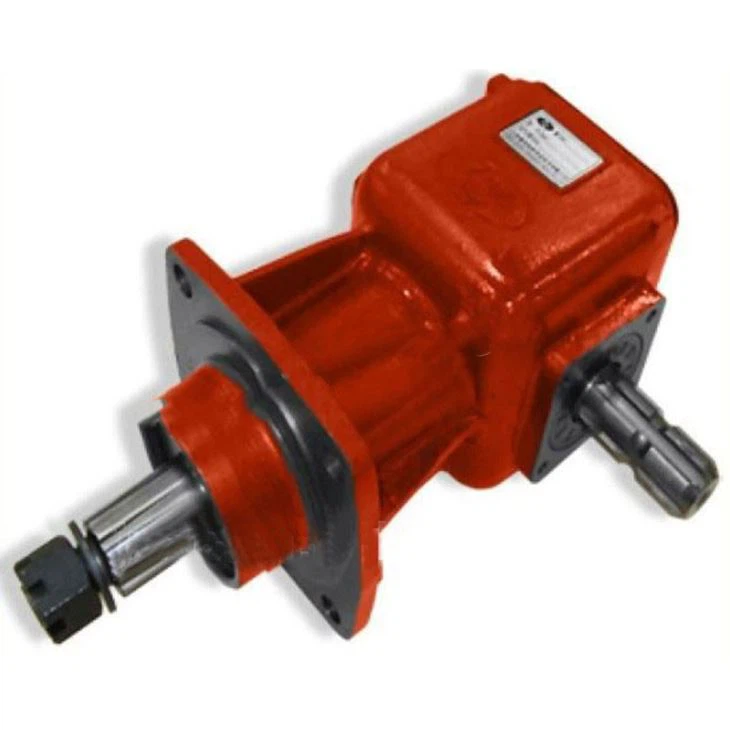
Riparazione o sostituzione del riduttore di un tosaerba
La possibilità di riparare o sostituire il riduttore di un tosaerba dipende dall'entità del danno e dalle condizioni dei componenti. Ecco alcuni fattori da considerare:
- Problemi minori: Se il cambio presenta problemi di lieve entità, come una perdita da una guarnizione, una guarnizione danneggiata o un bullone allentato, spesso è possibile ripararlo senza dover sostituire completamente il cambio.
- Ingranaggi o cuscinetti usurati: Se gli ingranaggi o i cuscinetti sono usurati o danneggiati, a volte è possibile sostituirli singolarmente, soprattutto se il resto del cambio è in buone condizioni.
- Danni gravi: Se l'alloggiamento del cambio è incrinato, gli ingranaggi sono gravemente danneggiati o l'intera unità è molto usurata, la sostituzione del cambio potrebbe essere la soluzione più conveniente.
- Costo delle riparazioni: A volte, il costo della riparazione di più componenti di un cambio può essere vicino al costo di un cambio nuovo. In questi casi, potrebbe essere più conveniente optare per la sostituzione.
- L'era del tosaerba: Se il tosaerba è vecchio e il riduttore mostra segni di usura, potrebbe valere la pena valutare se sia più conveniente investire in un nuovo tosaerba con un nuovo riduttore.
Si consiglia di consultare un meccanico o un tecnico specializzato nella riparazione di tosaerba. Questi professionisti potranno valutare l'entità del danno, proporvi diverse opzioni di riparazione e sostituzione e aiutarvi a prendere una decisione consapevole in base alla situazione specifica.
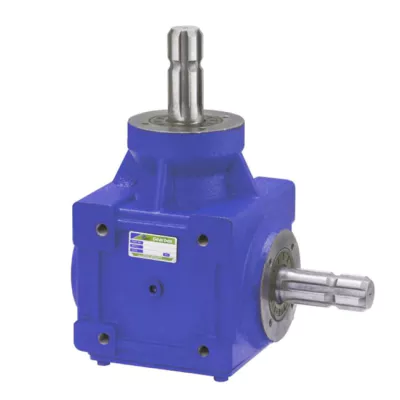
Common Problems with Mower Gearboxes and How to Fix Them
Mower gearboxes can experience various issues over time. Here are some common problems and their potential solutions:
- Perdita di petrolio: If you notice oil leaks, inspect the seals and gaskets. Replace any damaged components and refill the gearbox with the appropriate oil.
- Strange Noises: Unusual noises can indicate worn bearings or gears. Inspect the gearbox for wear and replace any damaged parts.
- Overheating: Overheating can result from low oil levels or excessive friction. Check the oil level and quality, and ensure proper lubrication.
- Poor Performance: If the mower gearbox isn’t performing as expected, check for loose belts, misaligned pulleys, or damaged gears. Adjust or replace parts as needed.
- Slipping Belts: Slipping belts can cause uneven cutting. Check the tension of the belts and adjust them to the manufacturer’s specifications.
- Lack of Power: If the mower lacks power, check the gearbox and belts for obstructions, and make sure the gears are functioning properly.
- Vibration: Excessive vibration can result from imbalanced blades or damaged gearbox components. Balance the blades and inspect the gearbox for wear.
- Stuck Gears: If gears become stuck, check for debris or damage. Clean the gearbox and replace any worn or damaged parts.
- Worn Bearings: Worn bearings can cause increased friction and noise. Replace worn bearings with new ones to maintain smooth operation.
- Seized Components: If parts are seized, such as pulleys or shafts, inspect for damage or corrosion. Lubricate or replace components as needed.
For any complex issues or if you’re unsure about repairs, it’s recommended to consult the mower’s manual or seek help from a professional technician or authorized service center.
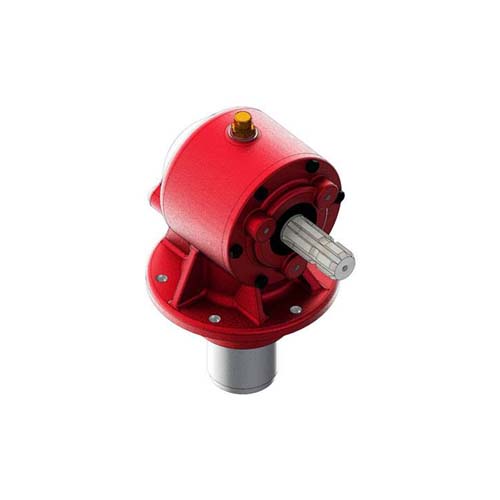
Function of a Mower Gearbox
A mower gearbox operates through a series of gears and components that work together to transmit power and convert the rotational motion of the engine into the cutting action of the blades. Here’s how a typical mower gearbox works:
- Power Input: The mower gearbox receives power from the mower’s engine via a drive shaft.
- Gear Reduction: The gearbox contains a set of gears that are arranged in specific ratios to achieve the required torque and speed conversion. The input gear, connected to the drive shaft, meshes with one or more intermediate gears.
- Torque Conversion: As the input gear turns, it drives the intermediate gears. The gear arrangement within the gearbox results in a reduction of speed and an increase in torque. This is essential for providing the cutting blades with the necessary force to cut through vegetation.
- Blade Connection: The output shaft of the gearbox is connected to the cutting blades. As the gearbox output shaft rotates, it transfers the torque to the blades, causing them to spin.
- Blade Rotation: The rotational motion of the blades is what enables them to cut through grass and other vegetation. The increased torque generated by the gearbox allows the blades to effectively perform cutting or mulching actions.
Modern mower gearboxes are designed for efficiency, durability, and precision. They are often equipped with ball bearings, seals, and lubrication to minimize friction and ensure smooth operation. Some mower gearboxes also include additional features such as adjustable cutting heights, blade synchronization, and directional control to enhance the versatility of the mower.


editor by CX 2023-10-23


