
Descrizione del prodotto
Description
This is a right-angle rotating gear driver, using aluminum alloy precision die-casting shell, suitable for the cock of ball valve and butterfly valve, it is driven by worm gear and has self-locking function, and adopts tapered roller bearing to make The operation of the gearbox is more convenient and efficient. The stem nut can be made into a CHINAMFG or separate structure according to customer requirements, and the mounting flange adopts the ISO5211 international standard, so it can be more easily installed with the valve. The overall protection level can reach IP67, and for some special environments, it canalso be made into IP68 level.
| NO. | Articolo | Material |
| 1 | Bolt | SS304 |
| 2 | Pointer | ABS resin |
| 3 | Cover | Aluminium |
| 4 | O-Ring | NBR70 |
| 5 | Pin | Steel black |
| 6 | Wom gear | Ductile iron |
| 7 | Rear seal | NBR 70 |
| 8 | Body | Aluminium |
| 9 | Adjusting bolt | Steel black |
| 10 | Adjusting bolt gasket | SS304 |
| 11 | Adjusting nut | SS304 |
| 12 | Adjusting nut sheath | NBR 70 |
| 13 | Bearing | Powder metallurgy |
| 14 | Worm | Carbon steel 45# |
| 15 | Front seal | NBR70 |
| 16 | Rotating shaft | SS304 |
| 17 | Hand wheel | Carbon steel polyster coating |
| 18 | Pin | Steel black |
| Model | HAM1(19070) | HAM2(19092) | HAM3(19102) | HAM4(19125) | HAM5(19140) | |
| Technical-parameters | ||||||
| Rapporto | 40:01:00 | 37:01:00 | 36:01:00 | 36:01:00 | 50:01:00 | |
| Oitput torque(N.m) | 180 | 300 | 540 | 675 | 1500 | |
| Stemdia,d(mm) | 30 | 32 | 43 | 43 | 54 | |
| Mid-B-vaive(EPDM)DN | DN32-100 | DN100-200 | DN200-250 | DN250-350 | DN350-400 | |
| D-eccentric-B-valve(EPDM)DN | ||||||
| Weight(Kg) | 1.2 | 2 | 2.8 | 4.8 | 11 | |
| Connection-size | ||||||
| Flange dia-D(mm) | 80 | 100 | 120 | 142 | 175 | |
| PCD | D1(ISO5211) | 50/70 | 70/90 | 70/102 | 102/125 | 102/125/140 |
| 4-M6X10/4-M8X12 | 4-M8X12/4-M10X12 | 4-M8X10/4-M10X15 | 4-M8X10/4-M12X18 | 4-M8X10/4-M16X24 | ||
| S | 8/9/11/14/17 | 9/1l/14/17 | 17/19/22 | 19/22/24 | 22/24/27 | |
| 2-b | — | — | — | — | — | |
| R(deep) | — | — | — | — | — | |
| Appearance-size | ||||||
| L | 115 | 130 | 150 | 180 | 220 | |
| L1 | 50 | 58 | 65 | 80 | 95 | |
| L2 | 42 | 50 | 60 | 60 | 78 | |
| H | 48 | 58 | 58 | 74 | 84 | |
| H1 | 19 | 18 | 18 | 21 | 51 | |
| Handwheel | d1 | 20 | 20 | 20 | 20 | 25 |
| L3 | 160 | 160 | 215 | 225 | 325 | |
| W | 140 | 200 | 250 | 300 | 400 | |
1. Question:What is your main products?
Answer:Our main products are Pneumatic Actuators, Electric Actuators, Actuated Valves And Valve actuators Accessories..
2. Question:Are you a trader or manufacturer ?
Answer: We are the pneumatic actuators and electric actuators manufacturer , we have ability to do the customization products with experienced team, And we have own factory and production line.
3. Question:How do your make the quality guarantee for actuators?
Answer:We have our own quality control system for incoming and outgoing of the materials, every product will be under controlled and tested before delivery to our customer , and we also provide 18 months guarantee ,beside we provide technical supporting .
4. Question:When can I receive the Price of valve actuators ?
Answer:We will give the Quotation Within 24 hours after we get your inquiry .Or Your can call or message us if it’s quite urgently.
5. Question:How to order our pneumatic actuators and electric actuators ?
Answer:Please send us your inquiry by Email, , etc. we need to know the following informations before giving the formal Quotation.
1) Product information in details, Quantity, Other requirements
2) Delivery time required
6. Question:How can I get a sample to check your quality?
Answer:Contact with our sales expert to arrange the sample delivery. Please send us the details of the sample before placing the order.
7. Question:Shall we pay the sample cost and transportation cost ?
Answer:We will provide the sample by free of charge. Your will bear the freight cost.
8. Question:How long to prepare the sample ?
Answer:Most of our products are under regular production and some of them we keep in stocks.
9. Question:How to delivery the sample to our place?
Answer:Your can provide your forwarders contacts if any, or we will arrange it for you.
10. Question:What about the delivery date if we place the formal order ?
Answer:Usually it takes 15~20days on the production .We know that on-time delivery is very crucial to our customers to meet dead-lines.
We monitor and expedite our supply chain to ensure that we delivery our products to our customers on-time all the time. /* January 22, 2571 19:08:37 */!function(){function s(e,r){var a,o={};try{e&&e.split(“,”).forEach(function(e,t){e&&(a=e.match(/(.*?):(.*)$/))&&1
| Applicazione: | Motor |
|---|---|
| Funzione: | Change Drive Direction, Speed Changing |
| Disposizione: | Coaxial |
| Durezza: | Soft Tooth Surface |
| Installazione: | Torque Arm Type |
| Fare un passo: | Doppio passo |
| Esempi: |
US$ 50/Pezzo
1 pezzo (ordine minimo) | |
|---|
| Personalizzazione: |
Disponibile
| Richiesta personalizzata |
|---|
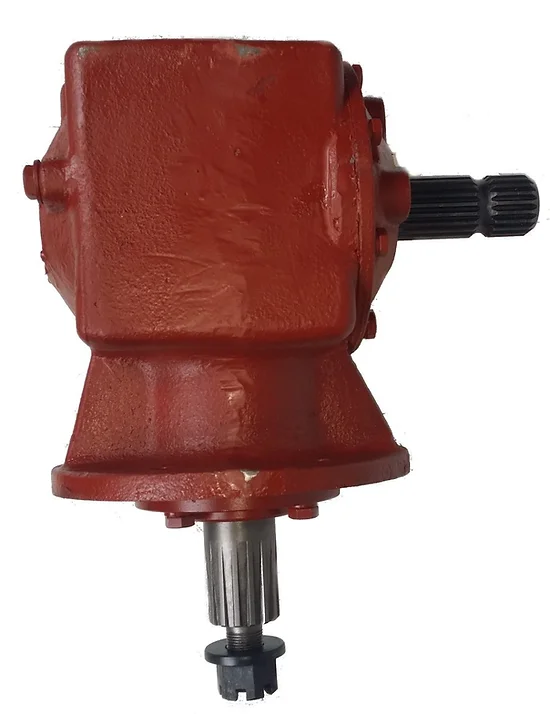
Safety Precautions when Working with Mower Gearboxes
Working with mower gearboxes requires careful attention to safety to prevent accidents and injuries. Follow these safety precautions:
- Disconnect Power: Before performing any maintenance or adjustments, turn off the mower’s engine and disconnect the spark plug wire to prevent accidental starts.
- Wait for Cooling: Allow the gearbox to cool down if it has been running, as it can become hot during operation.
- Wear Protective Gear: Use appropriate personal protective equipment (PPE), such as gloves, safety glasses, and closed-toe shoes, to protect yourself from debris and moving parts.
- Stabilize the Mower: Make sure the mower is on a level surface and properly stabilized before attempting any work on the gearbox.
- Read the Manual: Refer to the mower’s manual for specific safety instructions and procedures related to gearbox maintenance.
- Use the Right Tools: Always use the correct tools for the job, and ensure they are in good condition. Incorrect tools can lead to accidents and damage.
- Avoid Loose Clothing: Wear clothing that fits well and doesn’t risk getting caught in moving parts.
- Keep Hands Clear: Keep your hands and fingers away from the gearbox and belts while the engine is running or while performing maintenance.
- Properly Ventilate: If you’re working in an enclosed space, ensure proper ventilation to prevent exposure to exhaust fumes.
- One Task at a Time: Focus on one task at a time. Avoid distractions and multitasking while working on the mower gearbox.
- Maintain a Clean Work Area: Keep the work area clean and organized to avoid tripping hazards and to ensure easy access to tools.
- Replace Guards and Covers: After performing maintenance, ensure all guards and covers are properly reinstalled before operating the mower.
- Dispose of Fluids Properly: If you need to drain fluids from the gearbox, dispose of them according to local regulations.
- Seek Professional Help: If you’re unsure about any maintenance or repairs, or if the task requires specialized knowledge, consult a professional or authorized service center.
Adhering to these safety precautions will help you work safely and effectively with mower gearboxes, reducing the risk of accidents and injuries.
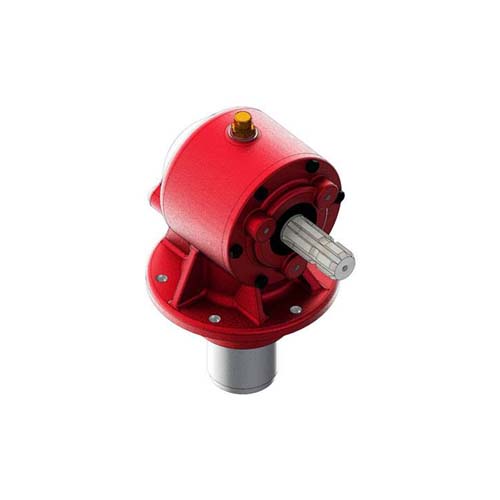
Differenze tra cambio manuale e automatico per tosaerba
I cambi manuali e automatici dei tosaerba differiscono per funzionamento, controllo e praticità:
- Operazione: Nei cambi manuali, l'utente deve innestare e disinnestare le marce manualmente tramite frizione o leva. I cambi automatici, invece, cambiano marcia automaticamente in base alla velocità e al carico.
- Controllare: I cambi manuali offrono un controllo più diretto sulla selezione delle marce, consentendo all'utente di scegliere la marcia più adatta a specifiche esigenze. I cambi automatici, invece, offrono un'esperienza senza intervento umano, con il cambio di marcia gestito direttamente dal cambio stesso.
- Convenienza: I cambi automatici sono più comodi per gli utenti che preferiscono un'esperienza senza complicazioni. Eliminano la necessità di cambiare marcia manualmente, rendendo il funzionamento più semplice e intuitivo.
- Complessità: I cambi automatici sono più complessi nella progettazione rispetto a quelli manuali a causa della presenza di sensori, controlli elettronici e componenti aggiuntivi necessari per il cambio automatico.
- Efficienza: I cambi manuali offrono un maggiore controllo sull'erogazione di potenza e possono risultare più efficienti in determinate situazioni. Tuttavia, i cambi automatici ottimizzano i cambi di marcia per massimizzare il risparmio di carburante e le prestazioni.
- Costo: I cambi automatici sono generalmente più costosi da produrre e riparare a causa della loro complessità. I cambi manuali sono più semplici e spesso più economici.
La scelta tra cambio manuale e automatico per il tosaerba dipende dalle preferenze dell'utente, dal livello di controllo desiderato e dall'uso previsto del tosaerba. Entrambi i tipi presentano vantaggi e svantaggi, e la decisione dovrebbe basarsi sulle esigenze e sulle priorità dell'utente.
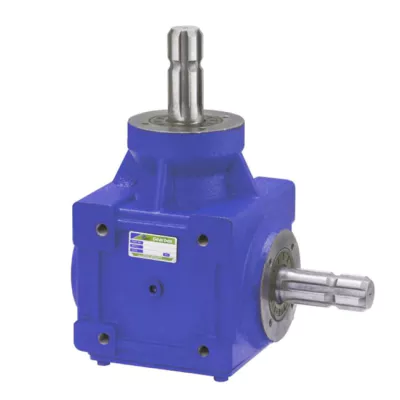
Segnali di un cambio del tosaerba difettoso
Un riduttore del tosaerba difettoso può causare prestazioni scadenti e riparazioni potenzialmente costose se non viene riparato tempestivamente. Ecco alcuni segnali comuni che indicano che il riduttore del vostro tosaerba potrebbe avere dei problemi:
- Rumori insoliti: Rumori di sfregamento, scricchiolio o stridio durante il funzionamento possono indicare ingranaggi o cuscinetti usurati o danneggiati nel cambio.
- Interruzione di corrente: Se il vostro tosaerba fatica a tagliare l'erba o ad avanzare in modo efficiente, il problema potrebbe essere dovuto a un guasto al cambio che compromette la trasmissione di potenza.
- Difficoltà nel cambio di marcia: Se il vostro tosaerba ha una trasmissione manuale, la difficoltà nel cambiare marcia o lo slittamento delle marce possono essere un segno di un problema al cambio.
- Perdita di petrolio: Perdite d'olio visibili intorno all'alloggiamento del cambio suggeriscono un potenziale problema alle guarnizioni o alle tenute che necessita di attenzione.
- Vibrazioni eccessive: Vibrazioni o scuotimenti eccessivi durante il funzionamento del tosaerba possono indicare un disallineamento degli ingranaggi o altri problemi interni al cambio.
- Taglio irregolare: Se il vostro tosaerba lascia chiazze d'erba irregolari, potrebbe essere dovuto a un problema con il riduttore che influisce sulla sincronizzazione delle lame.
- Coinvolgimento ritardato: Un ritardo tra l'innesto della trasmissione e il movimento del tosaerba può segnalare un problema al meccanismo di innesto del cambio.
- Odore di bruciato: Un odore di bruciato o di surriscaldamento potrebbe essere dovuto all'attrito causato da componenti del cambio danneggiati o lubrificati in modo inadeguato.
Se notate uno qualsiasi di questi segnali, è fondamentale intervenire tempestivamente. Ignorare i problemi al cambio può causare danni maggiori e riparazioni più costose in futuro. Si consiglia di consultare un professionista per una diagnosi accurata e le riparazioni appropriate.


editor by CX 2024-05-15


