
Opis produktu
Opis
This is a right-angle rotating gear driver, using aluminum alloy precision die-casting shell, suitable for the cock of ball valve and butterfly valve, it is driven by worm gear and has self-locking function, and adopts tapered roller bearing to make The operation of the gearbox is more convenient and efficient. The stem nut can be made into a CHINAMFG or separate structure according to customer requirements, and the mounting flange adopts the ISO5211 international standard, so it can be more easily installed with the valve. The overall protection level can reach IP67, and for some special environments, it canalso be made into IP68 level.
| NO. | Item | Tworzywo |
| 1 | Bolt | SS304 |
| 2 | Pointer | ABS resin |
| 3 | Cover | Aluminium |
| 4 | O-Ring | NBR70 |
| 5 | Pin | Steel black |
| 6 | Wom gear | Ductile iron |
| 7 | Rear seal | NBR 70 |
| 8 | Body | Aluminium |
| 9 | Adjusting bolt | Steel black |
| 10 | Adjusting bolt gasket | SS304 |
| 11 | Adjusting nut | SS304 |
| 12 | Adjusting nut sheath | NBR 70 |
| 13 | Bearing | Powder metallurgy |
| 14 | Worm | Carbon steel 45# |
| 15 | Front seal | NBR70 |
| 16 | Rotating shaft | SS304 |
| 17 | Hand wheel | Carbon steel polyster coating |
| 18 | Pin | Steel black |
| Model | HAM1(19070) | HAM2(19092) | HAM3(19102) | HAM4(19125) | HAM5(19140) | |
| Technical-parameters | ||||||
| Stosunek | 40:01:00 | 37:01:00 | 36:01:00 | 36:01:00 | 50:01:00 | |
| Oitput torque(N.m) | 180 | 300 | 540 | 675 | 1500 | |
| Stemdia,d(mm) | 30 | 32 | 43 | 43 | 54 | |
| Mid-B-vaive(EPDM)DN | DN32-100 | DN100-200 | DN200-250 | DN250-350 | DN350-400 | |
| D-eccentric-B-valve(EPDM)DN | ||||||
| Weight(Kg) | 1.2 | 2 | 2.8 | 4.8 | 11 | |
| Connection-size | ||||||
| Flange dia-D(mm) | 80 | 100 | 120 | 142 | 175 | |
| PCD | D1(ISO5211) | 50/70 | 70/90 | 70/102 | 102/125 | 102/125/140 |
| 4-M6X10/4-M8X12 | 4-M8X12/4-M10X12 | 4-M8X10/4-M10X15 | 4-M8X10/4-M12X18 | 4-M8X10/4-M16X24 | ||
| S | 8/9/11/14/17 | 9/1l/14/17 | 17/19/22 | 19/22/24 | 22/24/27 | |
| 2-b | — | — | — | — | — | |
| R(deep) | — | — | — | — | — | |
| Appearance-size | ||||||
| L | 115 | 130 | 150 | 180 | 220 | |
| L1 | 50 | 58 | 65 | 80 | 95 | |
| L2 | 42 | 50 | 60 | 60 | 78 | |
| H | 48 | 58 | 58 | 74 | 84 | |
| H1 | 19 | 18 | 18 | 21 | 51 | |
| Handwheel | d1 | 20 | 20 | 20 | 20 | 25 |
| L3 | 160 | 160 | 215 | 225 | 325 | |
| W | 140 | 200 | 250 | 300 | 400 | |
1. Question:What is your main products?
Answer:Our main products are Pneumatic Actuators, Electric Actuators, Actuated Valves And Valve actuators Accessories..
2. Question:Are you a trader or manufacturer ?
Answer: We are the pneumatic actuators and electric actuators manufacturer , we have ability to do the customization products with experienced team, And we have own factory and production line.
3. Question:How do your make the quality guarantee for actuators?
Answer:We have our own quality control system for incoming and outgoing of the materials, every product will be under controlled and tested before delivery to our customer , and we also provide 18 months guarantee ,beside we provide technical supporting .
4. Question:When can I receive the Price of valve actuators ?
Answer:We will give the Quotation Within 24 hours after we get your inquiry .Or Your can call or message us if it’s quite urgently.
5. Question:How to order our pneumatic actuators and electric actuators ?
Answer:Please send us your inquiry by Email, , etc. we need to know the following informations before giving the formal Quotation.
1) Product information in details, Quantity, Other requirements
2) Delivery time required
6. Question:How can I get a sample to check your quality?
Answer:Contact with our sales expert to arrange the sample delivery. Please send us the details of the sample before placing the order.
7. Question:Shall we pay the sample cost and transportation cost ?
Answer:We will provide the sample by free of charge. Your will bear the freight cost.
8. Question:How long to prepare the sample ?
Answer:Most of our products are under regular production and some of them we keep in stocks.
9. Question:How to delivery the sample to our place?
Answer:Your can provide your forwarders contacts if any, or we will arrange it for you.
10. Question:What about the delivery date if we place the formal order ?
Answer:Usually it takes 15~20days on the production .We know that on-time delivery is very crucial to our customers to meet dead-lines.
We monitor and expedite our supply chain to ensure that we delivery our products to our customers on-time all the time. /* January 22, 2571 19:08:37 */!function(){function s(e,r){var a,o={};try{e&&e.split(“,”).forEach(function(e,t){e&&(a=e.match(/(.*?):(.*)$/))&&1
| Aplikacja: | Motor |
|---|---|
| Funkcjonować: | Change Drive Direction, Speed Changing |
| Układ: | Współosiowy |
| Twardość: | Soft Tooth Surface |
| Instalacja: | Torque Arm Type |
| Krok: | Podwójny krok |
| Próbki: |
US$ 50/Piece
1 sztuka (minimalne zamówienie) | |
|---|
| Personalizacja: |
Dostępny
| Spersonalizowane żądanie |
|---|
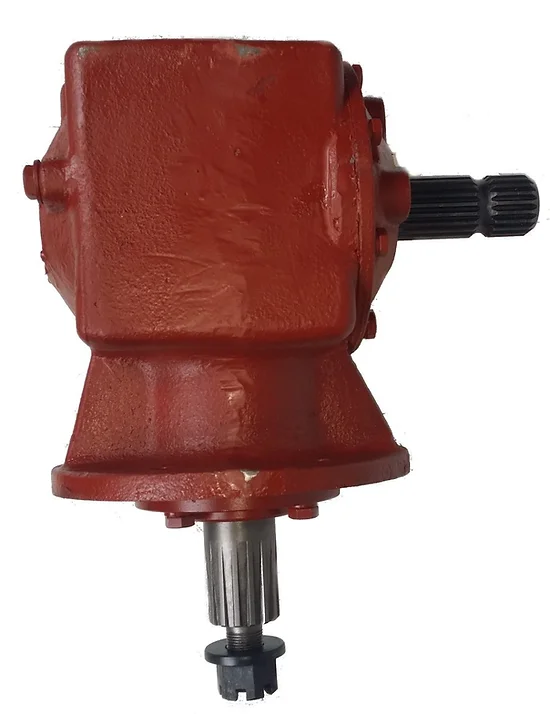
Środki ostrożności podczas pracy ze skrzyniami biegów kosiarki
Praca z przekładniami kosiarki wymaga szczególnej uwagi i bezpieczeństwa, aby zapobiec wypadkom i obrażeniom. Należy przestrzegać następujących środków ostrożności:
- Odłącz zasilanie: Przed przystąpieniem do prac konserwacyjnych lub regulacyjnych wyłącz silnik kosiarki i odłącz przewód świecy zapłonowej, aby zapobiec przypadkowemu uruchomieniu.
- Poczekaj na ostygnięcie: Jeśli skrzynia biegów była używana, należy odczekać, aż ostygnie, ponieważ podczas pracy może się ona nagrzać.
- Noś sprzęt ochronny: Stosuj odpowiedni sprzęt ochrony osobistej (PPE), taki jak rękawice, okulary ochronne i buty z zakrytymi palcami, aby zabezpieczyć się przed odłamkami i ruchomymi częściami.
- Stabilizacja kosiarki: Przed przystąpieniem do jakichkolwiek prac przy skrzyni biegów należy upewnić się, że kosiarka stoi na równym podłożu i jest dobrze stabilna.
- Przeczytaj instrukcję: Szczegółowe instrukcje bezpieczeństwa i procedury dotyczące konserwacji skrzyni biegów można znaleźć w instrukcji obsługi kosiarki.
- Użyj odpowiednich narzędzi: Zawsze używaj odpowiednich narzędzi do danej pracy i upewnij się, że są w dobrym stanie. Niewłaściwe narzędzia mogą prowadzić do wypadków i uszkodzeń.
- Unikaj luźnej odzieży: Należy nosić odzież, która dobrze przylega i nie stwarza ryzyka wciągnięcia przez ruchome części.
- Trzymaj ręce z dala: Podczas pracy silnika lub wykonywania czynności konserwacyjnych należy trzymać ręce i palce z dala od skrzyni biegów i pasów.
- Prawidłowa wentylacja: Jeśli pracujesz w zamkniętej przestrzeni, zadbaj o odpowiednią wentylację, aby zapobiec narażeniu na wdychanie spalin.
- Jedno zadanie na raz: Skoncentruj się na jednym zadaniu na raz. Unikaj rozpraszania uwagi i wykonywania wielu zadań jednocześnie podczas pracy z przekładnią kosiarki.
- Utrzymuj czyste miejsce pracy: Utrzymuj miejsce pracy w czystości i porządku, aby uniknąć ryzyka potknięcia się i zapewnić łatwy dostęp do narzędzi.
- Wymień osłony i pokrywy: Po wykonaniu czynności konserwacyjnych należy sprawdzić, czy wszystkie osłony i pokrywy zostały prawidłowo zamontowane, a następnie przed przystąpieniem do użytkowania kosiarki.
- Prawidłowa utylizacja płynów: Jeżeli zachodzi konieczność spuszczenia płynów ze skrzyni biegów, należy je zutylizować zgodnie z lokalnymi przepisami.
- Szukaj pomocy profesjonalisty: Jeśli nie masz pewności co do konserwacji lub napraw, albo jeśli zadanie wymaga specjalistycznej wiedzy, skonsultuj się z fachowcem lub autoryzowanym punktem serwisowym.
Przestrzeganie tych środków ostrożności pomoże Ci bezpiecznie i efektywnie pracować z przekładniami kosiarki, zmniejszając ryzyko wypadków i obrażeń.
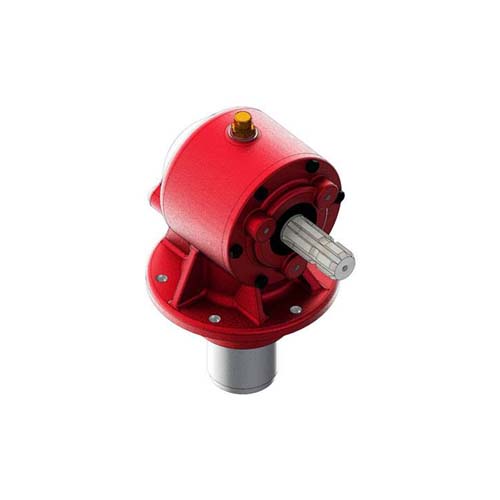
Differences between Manual and Automatic Mower Gearboxes
Manual and automatic mower gearboxes differ in their operation, control, and convenience:
- Działanie: Manual gearboxes require the user to engage and disengage gears manually using a clutch or lever. Automatic gearboxes, on the other hand, change gears automatically based on speed and load conditions.
- Control: Manual gearboxes provide more direct control over gear selection, allowing the user to choose the appropriate gear for specific tasks. Automatic gearboxes, however, offer a hands-free experience with gear changes managed by the gearbox itself.
- Convenience: Automatic gearboxes are more convenient for users who prefer a hassle-free experience. They eliminate the need to manually shift gears, making operation simpler and more user-friendly.
- Complexity: Automatic gearboxes are more complex in design compared to manual ones due to the presence of sensors, electronic controls, and additional components required for automatic shifting.
- Efficiency: Manual gearboxes can provide better control over power delivery and may be more efficient in certain situations. However, automatic gearboxes optimize gear changes for fuel efficiency and performance.
- Cost: Automatic gearboxes are generally more expensive to manufacture and repair due to their complexity. Manual gearboxes are simpler and often more affordable.
The choice between manual and automatic mower gearboxes depends on user preference, the level of control desired, and the intended use of the mower. Both types have their advantages and disadvantages, and the decision should be based on the user’s needs and priorities.
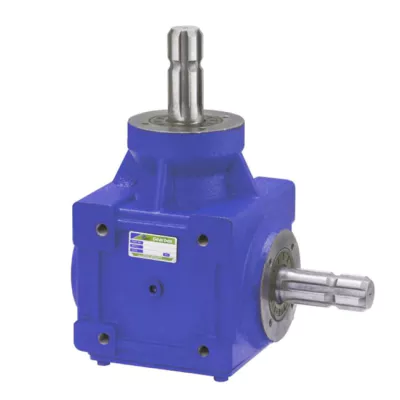
Signs of a Faulty Mower Gearbox
A faulty mower gearbox can lead to poor performance and potentially expensive repairs if not addressed promptly. Here are some common signs that indicate your mower gearbox may be experiencing issues:
- Unusual Noises: Grinding, clunking, or squealing noises during operation can indicate worn or damaged gears or bearings in the gearbox.
- Loss of Power: If your mower is struggling to cut grass or move forward efficiently, it could be due to a gearbox problem affecting power transmission.
- Difficulty in Shifting Gears: If your mower has a manual transmission, difficulty in shifting gears or gears slipping out of place can be a sign of gearbox trouble.
- Leaking Oil: Visible oil leaks around the gearbox housing suggest a potential seal or gasket issue that needs attention.
- Excessive Vibration: Excessive vibration or shaking while operating the mower may indicate misaligned gears or other internal problems within the gearbox.
- Uneven Cutting: If your mower is leaving uneven patches of grass, it could be due to an issue with the gearbox affecting blade synchronization.
- Delayed Engagement: A delay between engaging the transmission and movement of the mower can signal a problem with the gearbox’s engagement mechanism.
- Burning Smell: A burning or overheated odor could be the result of friction caused by damaged or improperly lubricated gearbox components.
If you notice any of these signs, it’s crucial to address the issue promptly. Ignoring gearbox problems can lead to further damage and more expensive repairs down the line. It’s recommended to consult a professional for an accurate diagnosis and appropriate repairs.


editor by CX 2024-05-15


