
Product Description
HangZhou CHINAMFG Machinery Co., Ltd.has been specialising in the manufacture and export of RV series worm gearboxes and other power transmission products for years, dedicated to provide to our customers good quality products in competitive prices. The main products are RV series worm gear speed reducers, UD series mechanical speed variators, G3 series helical geared motors and the specially designed reducers for polishing machines. Our products are widely used in the mechanical apparatus for foodstuff, ceramics, package, chemical, printing, and plastics, etc.
Xihu (West Lake) Dis.d by the idea, “Quality is the very key.”. the company proceeds in strict quality control to all the products, complying with the requirements of ISO9001:2008, and certificated, which has enabled our products to have enjoyed the successful sales, popularity and good reputation among the markets of Europe, Mid-east, and Souteast Asia.
SMRV worm gearbox, once it is ready, everyone will be test before sending out.
.
Innovation, good quality, customers’ satisfication, and excellent service are the principles of the company. All customers at home and abroad are warmly welcome to contact us and negotiate for mutual business expansion.
| モデル | RV 130 150 |
| Single unit versions | NMRV – fitted for motor flanged coupling, |
| NRV – with input shaft, | |
| NMRV-E motor flanged coupling with worm extension shaft, | |
| NRV-E with double extension worm shaft, | |
| Power | 0.06—-15KW |
| Single unit reduction ratio | 1:5 7.5 80 100 |
| Output torque | 2.6—1195N.M |
| Worm shaft material | 20CrMnTi with carburizing and quenching.The hardness of surface is 56-62HRC with carbonized layer 0.5-0.8mm |
| Worm wheel material | worm mandrel is HT250,and worm ring gear,ZQSn10-1,hardness is 60HRC |
| Application: | Motor, Electric Cars, Motorcycle, Machinery, Marine, Toy, Agricultural Machinery, Car |
|---|---|
| Function: | Distribution Power, Clutch, Change Drive Torque, Change Drive Direction, Speed Changing, Speed Reduction, Speed Increase |
| Layout: | Cycloidal |
| Samples: |
US$ 48/Piece
1 Piece(Min.Order) | Order Sample |
|---|
| Customization: |
Available
| Customized Request |
|---|
.shipping-cost-tm .tm-status-off{background: none;padding:0;color: #1470cc}
|
Shipping Cost:
Estimated freight per unit. |
about shipping cost and estimated delivery time. |
|---|
| Payment Method: |
|
|---|---|
|
Initial Payment Full Payment |
| Currency: | US$ |
|---|
| Return&refunds: | You can apply for a refund up to 30 days after receipt of the products. |
|---|
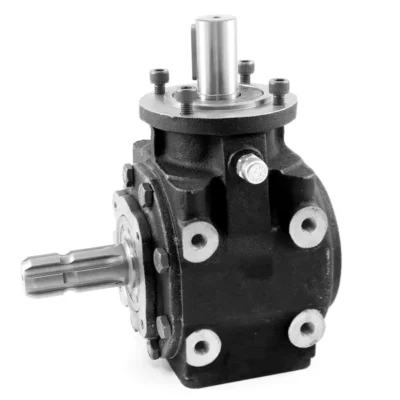
Adjusting Tension on a Mower Gearbox Belt
Proper tension adjustment of the gearbox belt in your mower is crucial for optimal performance and belt longevity. Follow these steps to adjust the tension:
- Preparation: Turn off the mower’s engine and disconnect the spark plug wire to ensure safety.
- Locate the Adjustment Mechanism: Identify the tension adjustment mechanism on the mower. This could be a tensioning bolt, an adjustable bracket, or another mechanism depending on the mower model.
- Loosen Bolts: If your mower has tensioning bolts, slightly loosen the mounting bolts securing the gearbox in place. This allows the gearbox to move and adjust tension.
- Adjust Tension: Use the tension adjustment mechanism to increase or decrease the tension on the belt. Refer to your mower’s manual for recommended tension specifications.
- Check Tension: After adjusting, check the tension by pressing down on the belt at a midpoint between the pulleys. The belt should give a little, but not excessively. Also, check for proper alignment of the pulleys.
- Tighten Bolts: Once the tension is set correctly, tighten the mounting bolts of the gearbox to secure it in place.
- Test Operation: Reconnect the spark plug wire and start the mower to observe the belt’s operation. Listen for any unusual noises and monitor the belt for proper engagement with the pulleys.
Regularly checking and adjusting the tension of the gearbox belt ensures efficient power transmission and prevents premature wear. If you’re unsure about the proper tension adjustment, consult your mower’s manual or seek assistance from a professional.
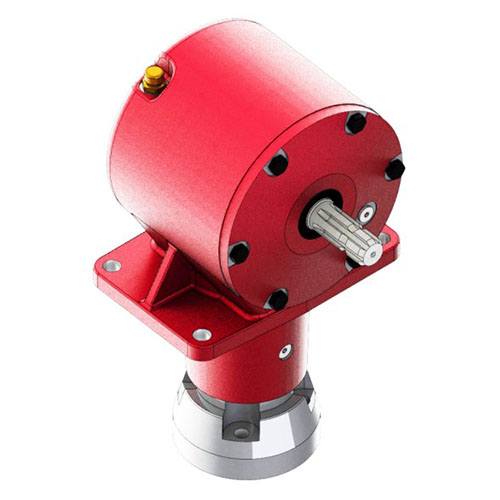
Troubleshooting Strange Noises from a Mower Gearbox
If you hear strange noises coming from your mower gearbox, follow these steps to troubleshoot the issue:
- Identify the Noise: Determine the type of noise, such as grinding, squealing, or knocking. Different noises can indicate various problems.
- Check Lubrication: Insufficient or contaminated lubrication can cause unusual noises. Check the gearbox’s oil level and condition and replace it if necessary.
- Inspect Gears and Bearings: Worn, damaged, or misaligned gears and bearings can generate noise. Inspect these components for wear, chipping, or misalignment.
- Tighten Fasteners: Loose bolts and fasteners can lead to vibration and noise. Check and tighten all fasteners connecting the gearbox to the mower.
- Check Belt Tension: A loose or misaligned drive belt can cause noise. Adjust the belt tension according to the manufacturer’s guidelines.
- Inspect Clutch Components: If your mower has a clutch, worn or damaged clutch components can create noise. Inspect the clutch assembly for any issues.
- Examine Blade Components: If the noise is related to blade engagement, check the blade assembly for damage, alignment, and balance.
- Clean Debris: Debris, dirt, and grass clippings can accumulate in the gearbox and cause noise. Clean the gearbox thoroughly and remove any obstructions.
- Seek Professional Help: If you can’t identify or fix the issue, consult a professional technician or service center for diagnosis and repair.
Regular maintenance and prompt identification of unusual noises can help prevent further damage and ensure the smooth operation of your mower gearbox.
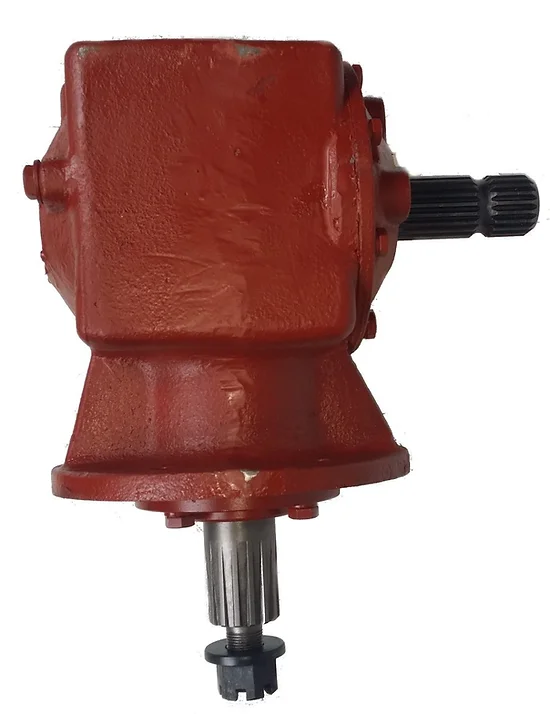
Type of Oil for Mower Gearbox
Choosing the right oil for your mower gearbox is essential for optimal performance and longevity. The specific type of oil you should use depends on the manufacturer’s recommendations and the design of your mower gearbox. Here are the key factors to consider:
- Manufacturer’s Guidelines: Always refer to the manufacturer’s manual or guidelines for the recommended type and viscosity of oil to use in your mower gearbox.
- Viscosity: The viscosity of the oil determines its thickness and ability to flow. Mower gearboxes typically require oils with specific viscosity ratings, such as SAE 80W-90 or SAE 90. These oils provide the right balance of lubrication and protection.
- Extreme Pressure (EP) Properties: Mower gearboxes experience high loads and pressures. Choose an oil labeled as “Extreme Pressure” (EP) as it contains additives that provide extra protection under heavy loads and prevent wear.
- Synthetic vs. Conventional: Synthetic oils offer enhanced performance and stability over a wide range of temperatures. They also provide better protection against heat and oxidation. However, consult the manufacturer’s guidelines to ensure compatibility.
- Usage Conditions: Consider the operating conditions of your mower. If you frequently mow in hot weather or under heavy loads, opt for an oil that can handle these conditions without breaking down.
- Quality: Choose high-quality oils from reputable brands to ensure consistent performance and protection for your mower gearbox.
- Oil Change Intervals: Follow the recommended oil change intervals specified by the manufacturer. Regular oil changes help maintain optimal lubrication and prevent excessive wear.
- Compatibility: Ensure that the oil you choose is compatible with any seals, gaskets, and materials used in your mower gearbox.
Ultimately, using the correct type of oil in your mower gearbox will help maintain smooth operation, reduce friction, and extend the lifespan of the gearbox components.


editor by CX 2023-10-10


