
제품 설명
Description
This is a right-angle rotating gear driver, using aluminum alloy precision die-casting shell, suitable for the cock of ball valve and butterfly valve, it is driven by worm gear and has self-locking function, and adopts tapered roller bearing to make The operation of the gearbox is more convenient and efficient. The stem nut can be made into a CHINAMFG or separate structure according to customer requirements, and the mounting flange adopts the ISO5211 international standard, so it can be more easily installed with the valve. The overall protection level can reach IP67, and for some special environments, it canalso be made into IP68 level.
| NO. | Item | Material |
| 1 | Bolt | SS304 |
| 2 | Pointer | ABS resin |
| 3 | Cover | Aluminium |
| 4 | O-Ring | NBR70 |
| 5 | Pin | Steel black |
| 6 | Wom gear | Ductile iron |
| 7 | Rear seal | NBR 70 |
| 8 | Body | Aluminium |
| 9 | Adjusting bolt | Steel black |
| 10 | Adjusting bolt gasket | SS304 |
| 11 | Adjusting nut | SS304 |
| 12 | Adjusting nut sheath | NBR 70 |
| 13 | Bearing | Powder metallurgy |
| 14 | Worm | Carbon steel 45# |
| 15 | Front seal | NBR70 |
| 16 | Rotating shaft | SS304 |
| 17 | Hand wheel | Carbon steel polyster coating |
| 18 | Pin | Steel black |
| Model | HAM1(19070) | HAM2(19092) | HAM3(19102) | HAM4(19125) | HAM5(19140) | |
| Technical-parameters | ||||||
| Ratio | 40:01:00 | 37:01:00 | 36:01:00 | 36:01:00 | 50:01:00 | |
| Oitput torque(N.m) | 180 | 300 | 540 | 675 | 1500 | |
| Stemdia,d(mm) | 30 | 32 | 43 | 43 | 54 | |
| Mid-B-vaive(EPDM)DN | DN32-100 | DN100-200 | DN200-250 | DN250-350 | DN350-400 | |
| D-eccentric-B-valve(EPDM)DN | ||||||
| Weight(Kg) | 1.2 | 2 | 2.8 | 4.8 | 11 | |
| Connection-size | ||||||
| Flange dia-D(mm) | 80 | 100 | 120 | 142 | 175 | |
| PCD | D1(ISO5211) | 50/70 | 70/90 | 70/102 | 102/125 | 102/125/140 |
| 4-M6X10/4-M8X12 | 4-M8X12/4-M10X12 | 4-M8X10/4-M10X15 | 4-M8X10/4-M12X18 | 4-M8X10/4-M16X24 | ||
| S | 8/9/11/14/17 | 9/1l/14/17 | 17/19/22 | 19/22/24 | 22/24/27 | |
| 2-b | — | — | — | — | — | |
| R(deep) | — | — | — | — | — | |
| Appearance-size | ||||||
| L | 115 | 130 | 150 | 180 | 220 | |
| L1 | 50 | 58 | 65 | 80 | 95 | |
| L2 | 42 | 50 | 60 | 60 | 78 | |
| H | 48 | 58 | 58 | 74 | 84 | |
| H1 | 19 | 18 | 18 | 21 | 51 | |
| Handwheel | d1 | 20 | 20 | 20 | 20 | 25 |
| L3 | 160 | 160 | 215 | 225 | 325 | |
| W | 140 | 200 | 250 | 300 | 400 | |
1. Question:What is your main products?
Answer:Our main products are Pneumatic Actuators, Electric Actuators, Actuated Valves And Valve actuators Accessories..
2. Question:Are you a trader or manufacturer ?
Answer: We are the pneumatic actuators and electric actuators manufacturer , we have ability to do the customization products with experienced team, And we have own factory and production line.
3. Question:How do your make the quality guarantee for actuators?
Answer:We have our own quality control system for incoming and outgoing of the materials, every product will be under controlled and tested before delivery to our customer , and we also provide 18 months guarantee ,beside we provide technical supporting .
4. Question:When can I receive the Price of valve actuators ?
Answer:We will give the Quotation Within 24 hours after we get your inquiry .Or Your can call or message us if it’s quite urgently.
5. Question:How to order our pneumatic actuators and electric actuators ?
Answer:Please send us your inquiry by Email, , etc. we need to know the following informations before giving the formal Quotation.
1) Product information in details, Quantity, Other requirements
2) Delivery time required
6. Question:How can I get a sample to check your quality?
Answer:Contact with our sales expert to arrange the sample delivery. Please send us the details of the sample before placing the order.
7. Question:Shall we pay the sample cost and transportation cost ?
Answer:We will provide the sample by free of charge. Your will bear the freight cost.
8. Question:How long to prepare the sample ?
Answer:Most of our products are under regular production and some of them we keep in stocks.
9. Question:How to delivery the sample to our place?
Answer:Your can provide your forwarders contacts if any, or we will arrange it for you.
10. Question:What about the delivery date if we place the formal order ?
Answer:Usually it takes 15~20days on the production .We know that on-time delivery is very crucial to our customers to meet dead-lines.
We monitor and expedite our supply chain to ensure that we delivery our products to our customers on-time all the time. /* January 22, 2571 19:08:37 */!function(){function s(e,r){var a,o={};try{e&&e.split(“,”).forEach(function(e,t){e&&(a=e.match(/(.*?):(.*)$/))&&1
| 애플리케이션: | Motor |
|---|---|
| 기능: | Change Drive Direction, Speed Changing |
| 공들여 나열한 것: | Coaxial |
| 경도: | Soft Tooth Surface |
| 설치: | Torque Arm Type |
| 단계: | Double-Step |
| Samples: |
US$ 50/Piece
1 Piece(Min.Order) | |
|---|
| 맞춤 설정: |
사용 가능
| 맞춤형 요청 |
|---|
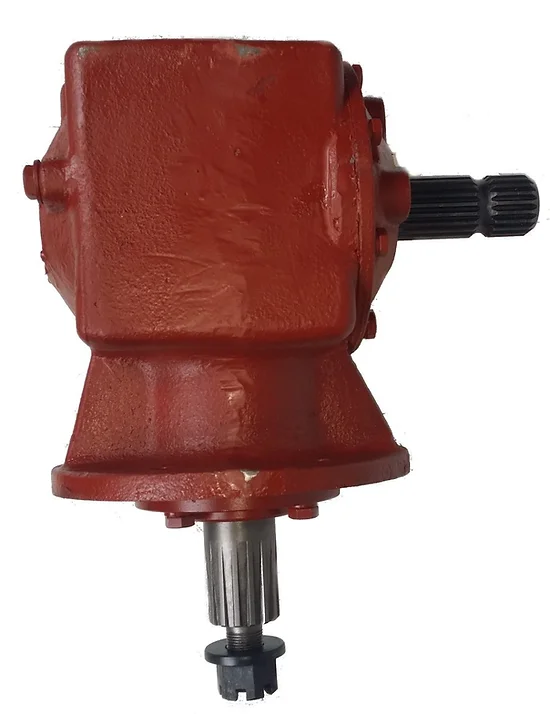
Safety Precautions when Working with Mower Gearboxes
Working with mower gearboxes requires careful attention to safety to prevent accidents and injuries. Follow these safety precautions:
- Disconnect Power: Before performing any maintenance or adjustments, turn off the mower’s engine and disconnect the spark plug wire to prevent accidental starts.
- Wait for Cooling: Allow the gearbox to cool down if it has been running, as it can become hot during operation.
- Wear Protective Gear: Use appropriate personal protective equipment (PPE), such as gloves, safety glasses, and closed-toe shoes, to protect yourself from debris and moving parts.
- Stabilize the Mower: Make sure the mower is on a level surface and properly stabilized before attempting any work on the gearbox.
- Read the Manual: Refer to the mower’s manual for specific safety instructions and procedures related to gearbox maintenance.
- Use the Right Tools: Always use the correct tools for the job, and ensure they are in good condition. Incorrect tools can lead to accidents and damage.
- Avoid Loose Clothing: Wear clothing that fits well and doesn’t risk getting caught in moving parts.
- Keep Hands Clear: Keep your hands and fingers away from the gearbox and belts while the engine is running or while performing maintenance.
- Properly Ventilate: If you’re working in an enclosed space, ensure proper ventilation to prevent exposure to exhaust fumes.
- One Task at a Time: Focus on one task at a time. Avoid distractions and multitasking while working on the mower gearbox.
- Maintain a Clean Work Area: Keep the work area clean and organized to avoid tripping hazards and to ensure easy access to tools.
- Replace Guards and Covers: After performing maintenance, ensure all guards and covers are properly reinstalled before operating the mower.
- Dispose of Fluids Properly: If you need to drain fluids from the gearbox, dispose of them according to local regulations.
- Seek Professional Help: If you’re unsure about any maintenance or repairs, or if the task requires specialized knowledge, consult a professional or authorized service center.
Adhering to these safety precautions will help you work safely and effectively with mower gearboxes, reducing the risk of accidents and injuries.
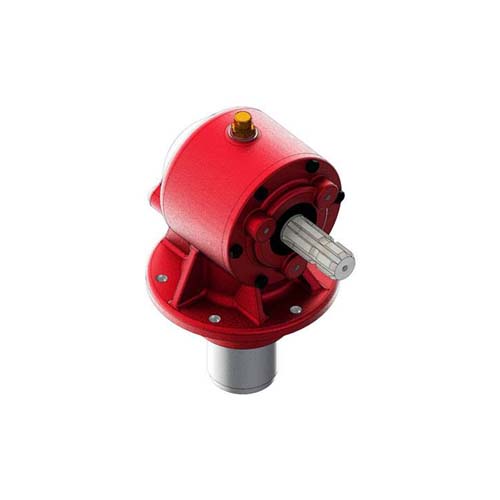
Differences between Manual and Automatic Mower Gearboxes
Manual and automatic mower gearboxes differ in their operation, control, and convenience:
- Operation: Manual gearboxes require the user to engage and disengage gears manually using a clutch or lever. Automatic gearboxes, on the other hand, change gears automatically based on speed and load conditions.
- Control: Manual gearboxes provide more direct control over gear selection, allowing the user to choose the appropriate gear for specific tasks. Automatic gearboxes, however, offer a hands-free experience with gear changes managed by the gearbox itself.
- Convenience: Automatic gearboxes are more convenient for users who prefer a hassle-free experience. They eliminate the need to manually shift gears, making operation simpler and more user-friendly.
- Complexity: Automatic gearboxes are more complex in design compared to manual ones due to the presence of sensors, electronic controls, and additional components required for automatic shifting.
- Efficiency: Manual gearboxes can provide better control over power delivery and may be more efficient in certain situations. However, automatic gearboxes optimize gear changes for fuel efficiency and performance.
- Cost: Automatic gearboxes are generally more expensive to manufacture and repair due to their complexity. Manual gearboxes are simpler and often more affordable.
The choice between manual and automatic mower gearboxes depends on user preference, the level of control desired, and the intended use of the mower. Both types have their advantages and disadvantages, and the decision should be based on the user’s needs and priorities.
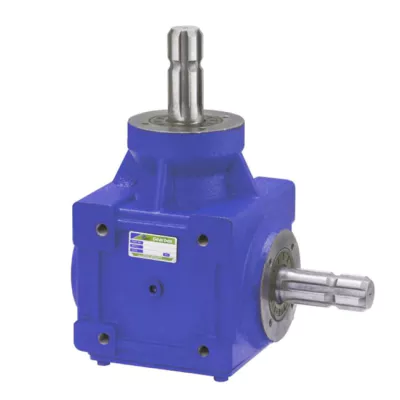
Signs of a Faulty Mower Gearbox
A faulty mower gearbox can lead to poor performance and potentially expensive repairs if not addressed promptly. Here are some common signs that indicate your mower gearbox may be experiencing issues:
- Unusual Noises: Grinding, clunking, or squealing noises during operation can indicate worn or damaged gears or bearings in the gearbox.
- Loss of Power: If your mower is struggling to cut grass or move forward efficiently, it could be due to a gearbox problem affecting power transmission.
- Difficulty in Shifting Gears: If your mower has a manual transmission, difficulty in shifting gears or gears slipping out of place can be a sign of gearbox trouble.
- Leaking Oil: Visible oil leaks around the gearbox housing suggest a potential seal or gasket issue that needs attention.
- Excessive Vibration: Excessive vibration or shaking while operating the mower may indicate misaligned gears or other internal problems within the gearbox.
- Uneven Cutting: If your mower is leaving uneven patches of grass, it could be due to an issue with the gearbox affecting blade synchronization.
- Delayed Engagement: A delay between engaging the transmission and movement of the mower can signal a problem with the gearbox’s engagement mechanism.
- Burning Smell: A burning or overheated odor could be the result of friction caused by damaged or improperly lubricated gearbox components.
If you notice any of these signs, it’s crucial to address the issue promptly. Ignoring gearbox problems can lead to further damage and more expensive repairs down the line. It’s recommended to consult a professional for an accurate diagnosis and appropriate repairs.


editor by CX 2024-05-15


