
Opis produktu
TaiBang Motor Industry Group Co., Ltd.
The main products is induction motor, reversible motor, DC brush gear motor, DC brushless gear motor, CH/CV big gear motors, Planetary gear motor ,Worm gear motor etc, which used widely in various fields of manufacturing pipelining, transportation, food, medicine, printing, fabric, packing, office, apparatus, entertainment etc, and is the preferred and matched product for automatic machine.
Model Instruction
GB090-10-P2
| GB | 090 | 571 | P2 |
| Reducer Series Code | External Diameter | Reduction Ratio | Reducer Backlash |
| GB:High Precision Square Flange Output
GBR:High Precision Right Angle Square Flange Output GE:High Precision Round Flange Output GER:High Precision Right Round Flange Output |
050:ø50mm 070:ø70mm 090:ø90mm 120:ø120mm 155:ø155mm 205:ø205mm 235:ø235mm 042:42x42mm 060:60x60mm 090:90x90mm 115:115x115mm 142:142x142mm 180:180x180mm 220:220x220mm |
571 means 1:10 | P0:High Precision Backlash
P1:Precison Backlash P2:Standard Backlash |
Main Technical Performance
| Item | Number of stage | Reduction Ratio | GB042 | GB060 | GB060A | GB090 | GB090A | GB115 | GB142 | GB180 | GB220 |
| Rotary Inertia | 1 | 3 | 0.03 | 0.16 | 0.61 | 3.25 | 9.21 | 28.98 | 69.61 | ||
| 4 | 0.03 | 0.14 | 0.48 | 2.74 | 7.54 | 23.67 | 54.37 | ||||
| 5 | 0.03 | 0.13 | 0.47 | 2.71 | 7.42 | 23.29 | 53.27 | ||||
| 6 | 0.03 | 0.13 | 0.45 | 2.65 | 7.25 | 22.75 | 51.72 | ||||
| 7 | 0.03 | 0.13 | 0.45 | 2.62 | 7.14 | 22.48 | 50.97 | ||||
| 8 | 0.03 | 0.13 | 0.44 | 2.58 | 7.07 | 22.59 | 50.84 | ||||
| 9 | 0.03 | 0.13 | 0.44 | 2.57 | 7.04 | 22.53 | 50.63 | ||||
| 10 | 0.03 | 0.13 | 0.44 | 2.57 | 7.03 | 22.51 | 50.56 | ||||
| 2 | 15 | 0.03 | 0.03 | 0.13 | 0.13 | 0.47 | 0.47 | 2.71 | 7.42 | 23.29 | |
| 20 | 0.03 | 0.03 | 0.13 | 0.13 | 0.47 | 0.47 | 2.71 | 7.42 | 23.29 | ||
| 25 | 0.03 | 0.03 | 0.13 | 0.13 | 0.47 | 0.47 | 2.71 | 7.42 | 23.29 | ||
| 30 | 0.03 | 0.03 | 0.13 | 0.13 | 0.47 | 0.47 | 2.71 | 7.42 | 23.29 | ||
| 35 | 0.03 | 0.03 | 0.13 | 0.13 | 0.47 | 0.47 | 2.71 | 7.42 | 23.29 | ||
| 40 | 0.03 | 0.03 | 0.13 | 0.13 | 0.47 | 0.47 | 2.71 | 7.42 | 23.29 | ||
| 45 | 0.03 | 0.03 | 0.13 | 0.13 | 0.47 | 0.47 | 2.71 | 7.42 | 23.29 | ||
| 50 | 0.03 | 0.03 | 0.13 | 0.13 | 0.44 | 0.44 | 2.57 | 7.03 | 22.51 | ||
| 60 | 0.03 | 0.03 | 0.13 | 0.13 | 0.44 | 0.44 | 2.57 | 7.03 | 22.51 | ||
| 70 | 0.03 | 0.03 | 0.13 | 0.13 | 0.44 | 0.44 | 2.57 | 7.03 | 22.51 | ||
| 80 | 0.03 | 0.03 | 0.13 | 0.13 | 0.44 | 0.44 | 2.57 | 7.03 | 22.51 | ||
| 90 | 0.03 | 0.03 | 0.13 | 0.13 | 0.44 | 0.44 | 2.57 | 7.03 | 22.51 | ||
| 100 | 0.03 | 0.03 | 0.13 | 0.13 | 0.44 | 0.44 | 2.57 | 7.03 | 22.51 |
| Item | Number of stage | GB042 | GB060 | GB060A | GB90 | GB090A | GB115 | GB142 | GB180 | GB220 | |
| Backlash(arcmin) | High Precision P0 | 1 | ≤1 | ≤1 | ≤1 | ≤1 | ≤1 | ≤1 | |||
| 2 | ≤3 | ≤3 | ≤3 | ≤3 | |||||||
| Precision P1 | 1 | ≤3 | ≤3 | ≤3 | ≤3 | ≤3 | ≤3 | ≤3 | ≤3 | ≤3 | |
| 2 | ≤5 | ≤5 | ≤5 | ≤5 | ≤5 | ≤5 | ≤5 | ≤5 | ≤5 | ||
| Standard P2 | 1 | ≤5 | ≤5 | ≤5 | ≤5 | ≤5 | ≤5 | ≤5 | ≤5 | ≤5 | |
| 2 | ≤7 | ≤7 | ≤7 | ≤7 | ≤7 | ≤7 | ≤7 | ≤7 | ≤7 | ||
| Torsional Rigidity(N.M/arcmin) | 1 | 3 | 7 | 7 | 14 | 14 | 25 | 50 | 145 | 225 | |
| 2 | 3 | 7 | 7 | 14 | 14 | 25 | 50 | 145 | 225 | ||
| Noise(dB) | 1,2 | ≤56 | ≤58 | ≤58 | ≤60 | ≤60 | ≤63 | ≤65 | ≤67 | ≤70 | |
| Rated input speed(rpm) | 1,2 | 5000 | 5000 | 5000 | 4000 | 4000 | 4000 | 3000 | 3000 | 2000 | |
| Max input speed(rpm) | 1,2 | 10000 | 10000 | 10000 | 8000 | 8000 | 8000 | 6000 | 6000 | 4000 | |
Noise test standard:Distance 1m,no load.Measured with an input speed 3000rpm
/* January 22, 2571 19:08:37 */!function(){function s(e,r){var a,o={};try{e&&e.split(“,”).forEach(function(e,t){e&&(a=e.match(/(.*?):(.*)$/))&&1
| Aplikacja: | Machinery, Agricultural Machinery |
|---|---|
| Funkcjonować: | Distribution Power, Change Drive Torque, Change Drive Direction, Speed Reduction |
| Układ: | Cycloidal |
| Twardość: | Utwardzona powierzchnia zęba |
| Instalacja: | Vertical Type |
| Step: | Double-Step |
| Próbki: |
US$ 50/Piece
1 sztuka (minimalne zamówienie) | |
|---|
| Customization: |
Available
| Customized Request |
|---|
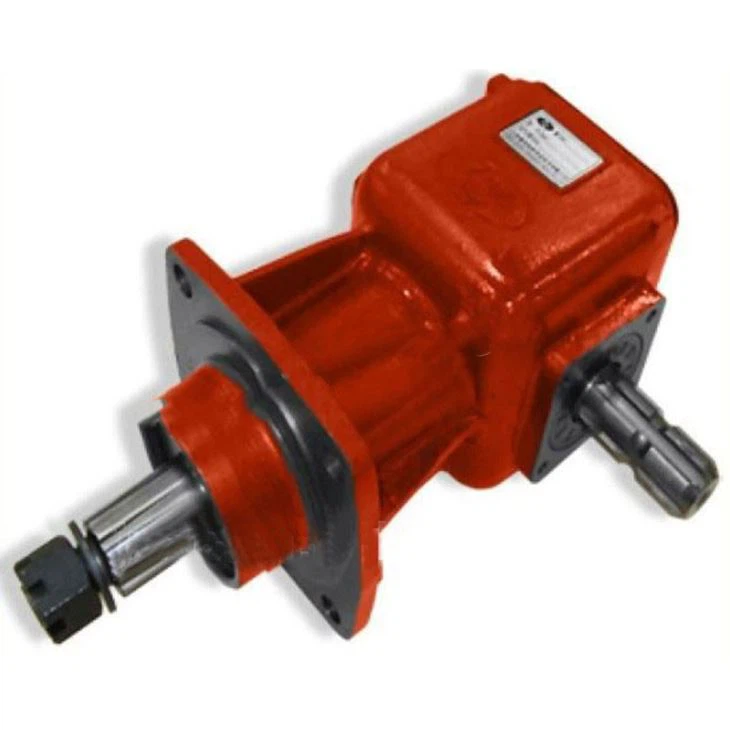
Repair or Replacement of a Mower Gearbox
Whether a mower gearbox can be repaired or needs to be replaced depends on the extent of the damage and the condition of the gearbox components. Here are some factors to consider:
- Minor Issues: If the gearbox is experiencing minor issues such as a leaking seal, damaged gasket, or a loose bolt, these problems can often be repaired without the need for a full replacement.
- Worn Gears or Bearings: If the gears or bearings are worn or damaged, they can sometimes be replaced individually, especially if the rest of the gearbox is in good condition.
- Severe Damage: If the gearbox housing is cracked, the gears are severely damaged, or the entire unit is extensively worn, a replacement gearbox might be the more cost-effective solution.
- Cost of Repairs: Sometimes, the cost of repairing multiple components in a gearbox can be close to the cost of a new gearbox. In such cases, it might make more sense to opt for a replacement.
- Age of the Mower: If the mower itself is old and the gearbox is showing signs of wear, it might be worth considering whether it’s more economical to invest in a new mower with a new gearbox.
It’s recommended to consult a professional mechanic or technician who specializes in mower repairs. They can assess the extent of the damage, provide you with repair and replacement options, and help you make an informed decision based on the specific situation.
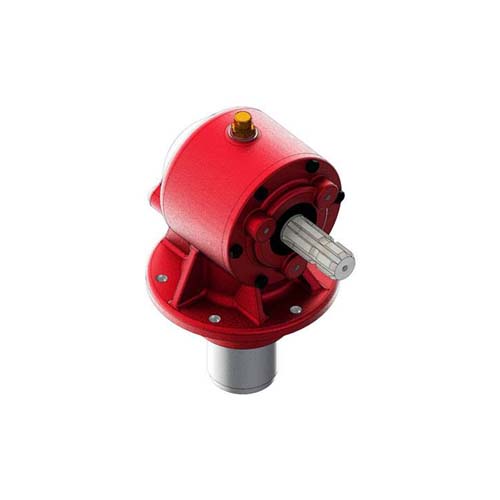
Differences between Manual and Automatic Mower Gearboxes
Manual and automatic mower gearboxes differ in their operation, control, and convenience:
- Działanie: Manual gearboxes require the user to engage and disengage gears manually using a clutch or lever. Automatic gearboxes, on the other hand, change gears automatically based on speed and load conditions.
- Control: Manual gearboxes provide more direct control over gear selection, allowing the user to choose the appropriate gear for specific tasks. Automatic gearboxes, however, offer a hands-free experience with gear changes managed by the gearbox itself.
- Convenience: Automatic gearboxes are more convenient for users who prefer a hassle-free experience. They eliminate the need to manually shift gears, making operation simpler and more user-friendly.
- Complexity: Automatic gearboxes are more complex in design compared to manual ones due to the presence of sensors, electronic controls, and additional components required for automatic shifting.
- Efficiency: Manual gearboxes can provide better control over power delivery and may be more efficient in certain situations. However, automatic gearboxes optimize gear changes for fuel efficiency and performance.
- Cost: Automatic gearboxes are generally more expensive to manufacture and repair due to their complexity. Manual gearboxes are simpler and often more affordable.
The choice between manual and automatic mower gearboxes depends on user preference, the level of control desired, and the intended use of the mower. Both types have their advantages and disadvantages, and the decision should be based on the user’s needs and priorities.
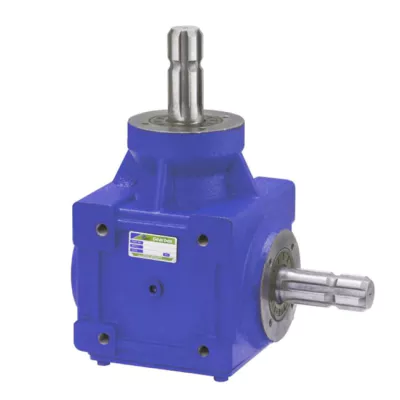
Signs of a Faulty Mower Gearbox
A faulty mower gearbox can lead to poor performance and potentially expensive repairs if not addressed promptly. Here are some common signs that indicate your mower gearbox may be experiencing issues:
- Unusual Noises: Grinding, clunking, or squealing noises during operation can indicate worn or damaged gears or bearings in the gearbox.
- Loss of Power: If your mower is struggling to cut grass or move forward efficiently, it could be due to a gearbox problem affecting power transmission.
- Difficulty in Shifting Gears: If your mower has a manual transmission, difficulty in shifting gears or gears slipping out of place can be a sign of gearbox trouble.
- Leaking Oil: Visible oil leaks around the gearbox housing suggest a potential seal or gasket issue that needs attention.
- Excessive Vibration: Excessive vibration or shaking while operating the mower may indicate misaligned gears or other internal problems within the gearbox.
- Uneven Cutting: If your mower is leaving uneven patches of grass, it could be due to an issue with the gearbox affecting blade synchronization.
- Delayed Engagement: A delay between engaging the transmission and movement of the mower can signal a problem with the gearbox’s engagement mechanism.
- Burning Smell: A burning or overheated odor could be the result of friction caused by damaged or improperly lubricated gearbox components.
If you notice any of these signs, it’s crucial to address the issue promptly. Ignoring gearbox problems can lead to further damage and more expensive repairs down the line. It’s recommended to consult a professional for an accurate diagnosis and appropriate repairs.


editor by CX 2024-04-12


