
Descrição do produto
TaiBang Motor Industry Group Co., Ltd.
The main products is induction motor, reversible motor, DC brush gear motor, DC brushless gear motor, CH/CV big gear motors, Planetary gear motor ,Worm gear motor etc, which used widely in various fields of manufacturing pipelining, transportation, food, medicine, printing, fabric, packing, office, apparatus, entertainment etc, and is the preferred and matched product for automatic machine.
Model Instruction
GB090-10-P2
| GB | 090 | 571 | P2 |
| Reducer Series Code | External Diameter | Reduction Ratio | Reducer Backlash |
| GB:High Precision Square Flange Output
GBR:High Precision Right Angle Square Flange Output GE:High Precision Round Flange Output GER:High Precision Right Round Flange Output |
050:ø50mm 070:ø70mm 090:ø90mm 120:ø120mm 155:ø155mm 205:ø205mm 235:ø235mm 042:42x42mm 060:60x60mm 090:90x90mm 115:115x115mm 142:142x142mm 180:180x180mm 220:220x220mm |
571 means 1:10 | P0:High Precision Backlash
P1:Precison Backlash P2:Standard Backlash |
Main Technical Performance
| Item | Number of stage | Reduction Ratio | GB042 | GB060 | GB060A | GB090 | GB090A | GB115 | GB142 | GB180 | GB220 |
| Rotary Inertia | 1 | 3 | 0.03 | 0.16 | 0.61 | 3.25 | 9.21 | 28.98 | 69.61 | ||
| 4 | 0.03 | 0.14 | 0.48 | 2.74 | 7.54 | 23.67 | 54.37 | ||||
| 5 | 0.03 | 0.13 | 0.47 | 2.71 | 7.42 | 23.29 | 53.27 | ||||
| 6 | 0.03 | 0.13 | 0.45 | 2.65 | 7.25 | 22.75 | 51.72 | ||||
| 7 | 0.03 | 0.13 | 0.45 | 2.62 | 7.14 | 22.48 | 50.97 | ||||
| 8 | 0.03 | 0.13 | 0.44 | 2.58 | 7.07 | 22.59 | 50.84 | ||||
| 9 | 0.03 | 0.13 | 0.44 | 2.57 | 7.04 | 22.53 | 50.63 | ||||
| 10 | 0.03 | 0.13 | 0.44 | 2.57 | 7.03 | 22.51 | 50.56 | ||||
| 2 | 15 | 0.03 | 0.03 | 0.13 | 0.13 | 0.47 | 0.47 | 2.71 | 7.42 | 23.29 | |
| 20 | 0.03 | 0.03 | 0.13 | 0.13 | 0.47 | 0.47 | 2.71 | 7.42 | 23.29 | ||
| 25 | 0.03 | 0.03 | 0.13 | 0.13 | 0.47 | 0.47 | 2.71 | 7.42 | 23.29 | ||
| 30 | 0.03 | 0.03 | 0.13 | 0.13 | 0.47 | 0.47 | 2.71 | 7.42 | 23.29 | ||
| 35 | 0.03 | 0.03 | 0.13 | 0.13 | 0.47 | 0.47 | 2.71 | 7.42 | 23.29 | ||
| 40 | 0.03 | 0.03 | 0.13 | 0.13 | 0.47 | 0.47 | 2.71 | 7.42 | 23.29 | ||
| 45 | 0.03 | 0.03 | 0.13 | 0.13 | 0.47 | 0.47 | 2.71 | 7.42 | 23.29 | ||
| 50 | 0.03 | 0.03 | 0.13 | 0.13 | 0.44 | 0.44 | 2.57 | 7.03 | 22.51 | ||
| 60 | 0.03 | 0.03 | 0.13 | 0.13 | 0.44 | 0.44 | 2.57 | 7.03 | 22.51 | ||
| 70 | 0.03 | 0.03 | 0.13 | 0.13 | 0.44 | 0.44 | 2.57 | 7.03 | 22.51 | ||
| 80 | 0.03 | 0.03 | 0.13 | 0.13 | 0.44 | 0.44 | 2.57 | 7.03 | 22.51 | ||
| 90 | 0.03 | 0.03 | 0.13 | 0.13 | 0.44 | 0.44 | 2.57 | 7.03 | 22.51 | ||
| 100 | 0.03 | 0.03 | 0.13 | 0.13 | 0.44 | 0.44 | 2.57 | 7.03 | 22.51 |
| Item | Number of stage | GB042 | GB060 | GB060A | GB90 | GB090A | GB115 | GB142 | GB180 | GB220 | |
| Backlash(arcmin) | High Precision P0 | 1 | ≤1 | ≤1 | ≤1 | ≤1 | ≤1 | ≤1 | |||
| 2 | ≤3 | ≤3 | ≤3 | ≤3 | |||||||
| Precision P1 | 1 | ≤3 | ≤3 | ≤3 | ≤3 | ≤3 | ≤3 | ≤3 | ≤3 | ≤3 | |
| 2 | ≤5 | ≤5 | ≤5 | ≤5 | ≤5 | ≤5 | ≤5 | ≤5 | ≤5 | ||
| Standard P2 | 1 | ≤5 | ≤5 | ≤5 | ≤5 | ≤5 | ≤5 | ≤5 | ≤5 | ≤5 | |
| 2 | ≤7 | ≤7 | ≤7 | ≤7 | ≤7 | ≤7 | ≤7 | ≤7 | ≤7 | ||
| Torsional Rigidity(N.M/arcmin) | 1 | 3 | 7 | 7 | 14 | 14 | 25 | 50 | 145 | 225 | |
| 2 | 3 | 7 | 7 | 14 | 14 | 25 | 50 | 145 | 225 | ||
| Noise(dB) | 1,2 | ≤56 | ≤58 | ≤58 | ≤60 | ≤60 | ≤63 | ≤65 | ≤67 | ≤70 | |
| Rated input speed(rpm) | 1,2 | 5000 | 5000 | 5000 | 4000 | 4000 | 4000 | 3000 | 3000 | 2000 | |
| Max input speed(rpm) | 1,2 | 10000 | 10000 | 10000 | 8000 | 8000 | 8000 | 6000 | 6000 | 4000 | |
Noise test standard:Distance 1m,no load.Measured with an input speed 3000rpm
/* 22 de janeiro de 2571 19:08:37 */!function(){function s(e,r){var a,o={};try{e&&e.split(“”,).forEach(function(e,t){e&&(a=e.match(/(.*?):(.*)$/))&&1
| Aplicativo: | Máquinas, Máquinas Agrícolas |
|---|---|
| Função: | Distribution Power, Change Drive Torque, Change Drive Direction, Speed Reduction |
| Layout: | Cicloide |
| Dureza: | Superfície dentária endurecida |
| Instalação: | Tipo vertical |
| Etapa: | Double-Step |
| Exemplos: |
US$ 50/Piece
1 unidade (pedido mínimo) | |
|---|
| Personalização: |
Disponível
| Solicitação personalizada |
|---|
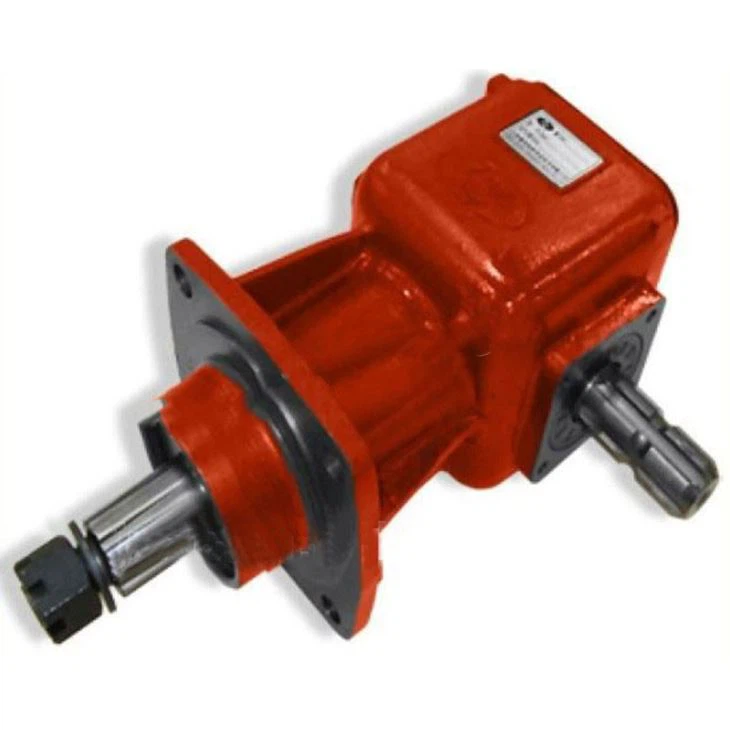
Repair or Replacement of a Mower Gearbox
Whether a mower gearbox can be repaired or needs to be replaced depends on the extent of the damage and the condition of the gearbox components. Here are some factors to consider:
- Minor Issues: If the gearbox is experiencing minor issues such as a leaking seal, damaged gasket, or a loose bolt, these problems can often be repaired without the need for a full replacement.
- Worn Gears or Bearings: If the gears or bearings are worn or damaged, they can sometimes be replaced individually, especially if the rest of the gearbox is in good condition.
- Severe Damage: If the gearbox housing is cracked, the gears are severely damaged, or the entire unit is extensively worn, a replacement gearbox might be the more cost-effective solution.
- Cost of Repairs: Sometimes, the cost of repairing multiple components in a gearbox can be close to the cost of a new gearbox. In such cases, it might make more sense to opt for a replacement.
- Age of the Mower: If the mower itself is old and the gearbox is showing signs of wear, it might be worth considering whether it’s more economical to invest in a new mower with a new gearbox.
It’s recommended to consult a professional mechanic or technician who specializes in mower repairs. They can assess the extent of the damage, provide you with repair and replacement options, and help you make an informed decision based on the specific situation.
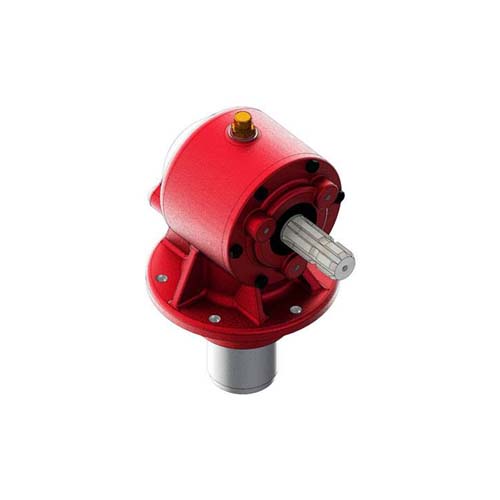
Differences between Manual and Automatic Mower Gearboxes
Manual and automatic mower gearboxes differ in their operation, control, and convenience:
- Operation: Manual gearboxes require the user to engage and disengage gears manually using a clutch or lever. Automatic gearboxes, on the other hand, change gears automatically based on speed and load conditions.
- Control: Manual gearboxes provide more direct control over gear selection, allowing the user to choose the appropriate gear for specific tasks. Automatic gearboxes, however, offer a hands-free experience with gear changes managed by the gearbox itself.
- Convenience: Automatic gearboxes are more convenient for users who prefer a hassle-free experience. They eliminate the need to manually shift gears, making operation simpler and more user-friendly.
- Complexity: Automatic gearboxes are more complex in design compared to manual ones due to the presence of sensors, electronic controls, and additional components required for automatic shifting.
- Eficiência: Manual gearboxes can provide better control over power delivery and may be more efficient in certain situations. However, automatic gearboxes optimize gear changes for fuel efficiency and performance.
- Cost: Automatic gearboxes are generally more expensive to manufacture and repair due to their complexity. Manual gearboxes are simpler and often more affordable.
The choice between manual and automatic mower gearboxes depends on user preference, the level of control desired, and the intended use of the mower. Both types have their advantages and disadvantages, and the decision should be based on the user’s needs and priorities.
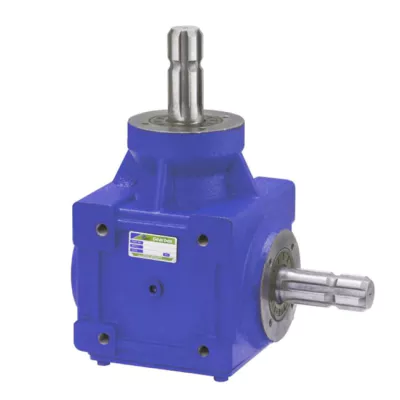
Sinais de uma caixa de engrenagens defeituosa no cortador de grama
Uma caixa de engrenagens defeituosa em um cortador de grama pode levar a um desempenho ruim e a reparos potencialmente caros se não for consertada rapidamente. Aqui estão alguns sinais comuns que indicam que a caixa de engrenagens do seu cortador de grama pode estar apresentando problemas:
- Ruídos incomuns: Ruídos de rangido, estalo ou guincho durante o funcionamento podem indicar engrenagens ou rolamentos desgastados ou danificados na caixa de engrenagens.
- Perda de energia: Se o seu cortador de relva estiver com dificuldades para cortar a relva ou para avançar de forma eficiente, isso pode ser devido a um problema na caixa de velocidades que afeta a transmissão de potência.
- Dificuldade em trocar de marcha: Se o seu cortador de grama tiver transmissão manual, dificuldade em trocar de marcha ou marchas que saem do lugar podem ser um sinal de problema na caixa de câmbio.
- Vazamento de óleo: Vazamentos visíveis de óleo ao redor da carcaça da caixa de câmbio sugerem um possível problema de vedação ou junta que precisa de atenção.
- Vibração excessiva: Vibrações ou trepidações excessivas durante o funcionamento do cortador de grama podem indicar engrenagens desalinhadas ou outros problemas internos na caixa de engrenagens.
- Corte irregular: Se o seu cortador de relva estiver a deixar falhas na relva, pode dever-se a um problema na caixa de velocidades que afeta a sincronização das lâminas.
- Engajamento atrasado: Um atraso entre o engate da transmissão e o movimento do cortador de grama pode indicar um problema com o mecanismo de engate da caixa de câmbio.
- Cheiro de queimado: Um odor de queimado ou superaquecimento pode ser resultado do atrito causado por componentes da caixa de engrenagens danificados ou com lubrificação inadequada.
Se você notar algum desses sinais, é crucial resolver o problema imediatamente. Ignorar problemas na caixa de câmbio pode levar a danos maiores e reparos mais caros no futuro. Recomenda-se consultar um profissional para um diagnóstico preciso e os reparos adequados.


editor by CX 2024-04-12


