
Opis produktu
Dlaczego warto nas wybrać
Szczegóły produktu
|
Typ |
Przekładnia ślimakowa/reduktor prędkości |
|
Model |
WMRV 25/30/40/50/63/75/90/110/130/150/185 |
|
Stosunek |
7.5,10,15,20,25,30,40,50,60,80,100. |
|
Kolor |
Niebieski (RAL5571)/Srebrnoszary (K9149) lub na życzenie klienta |
|
Tworzywo |
Obudowa: stop aluminium (rozmiar 25~90) / żeliwo (rozmiar 110~185) |
|
Koło ślimakowe: brąz aluminiowy lub brąz cynowy |
|
| Wał ślimakowy: 20CrMn Ti | |
|
Wał wyjściowy: stal-45# |
|
|
Uszczelka |
Karton, Karton Plaster Miodu, Skrzynia Drewniana z drewnianą paletą |
| Gwarancja | 1 rok |
| Moc wejściowa | 0,09 kW, 0,18 kW, 1,1 kW, 1,5 kW, 2,2 kW, 3 kW, 4 kW, 5,5 kW, 7,5 kW, 11 kW i tak dalej. |
| Zastosowania | Maszyny przemysłowe: spożywcze, ceramiczne, chemiczne, pakujące, barwiące, do obróbki drewna, szklarskie. |
| Kołnierz IEC | Kołnierz zgodny ze standardem IEC lub na życzenie klienta |
| Smar | Olej syntetyczny lub olej do przekładni ślimakowej |
Profil firmy
Wystawa
Usługa dostosowana do potrzeb
Certyfikat i wyróżnienie
Komentarze klientów
Często zadawane pytania
1. Jak wybrać skrzynię biegów spełniającą nasze wymagania?
Możesz zapoznać się z naszym katalogiem, aby wybrać skrzynię biegów lub możemy pomóc Ci w wyborze, gdy ją dostarczysz
informacje techniczne dotyczące wymaganego momentu wyjściowego, prędkości wyjściowej, parametrów silnika itp.
2. Jakie informacje należy podać przed złożeniem zamówienia?
a) Typ przekładni, przełożenie, typ wejścia i wyjścia, kołnierz wejściowy, pozycja montażu, informacje o silniku itp.
b) Kolor obudowy.
c) Ilość zakupu.
d) Inne specjalne wymagania.
3. W jakich branżach wykorzystywane są Wasze skrzynie biegów?
Nasze przekładnie są szeroko stosowane w przemyśle tekstylnym, spożywczym, napojowym, chemicznym,
schody ruchome, automatyczny sprzęt magazynowy, metalurgia, przemysł tytoniowy, ochrona środowiska, logistyka itp.
4. Czy sprzedajecie silniki?
Mamy stabilnych dostawców silników, którzy współpracują z nami od dawna. Mogą oni dostarczyć silniki
z wysoką jakością.
/* 22 stycznia 2571 19:08:37 */!function(){function s(e,r){var a,o={};try{e&&e.split(„”,).forEach(function(e,t){e&&(a=e.match(/(.*?):(.*)$/))&&1
| Aplikacja: | Silnik, maszyny, maszyny rolnicze |
|---|---|
| Funkcjonować: | Dystrybucja mocy, zmiana prędkości, redukcja prędkości, zwiększenie prędkości |
| Układ: | Współosiowy |
| Próbki: |
US$ 25/szt.
1 sztuka (minimalne zamówienie) | Zamów próbkę |
|---|
| Personalizacja: |
Dostępny
| Spersonalizowane żądanie |
|---|
.shipping-cost-tm .tm-status-off{tło: brak;wypełnienie: 0;kolor: #1470cc}
|
Koszt wysyłki:
Szacowany koszt frachtu na jednostkę. |
o kosztach wysyłki i szacowanym czasie dostawy. |
|---|
| Metoda płatności: |
|
|---|---|
|
Płatność początkowa Pełna płatność |
| Waluta: | US$ |
|---|
| Zwroty i zwroty pieniędzy: | O zwrot pieniędzy możesz ubiegać się w ciągu 30 dni od otrzymania produktów. |
|---|
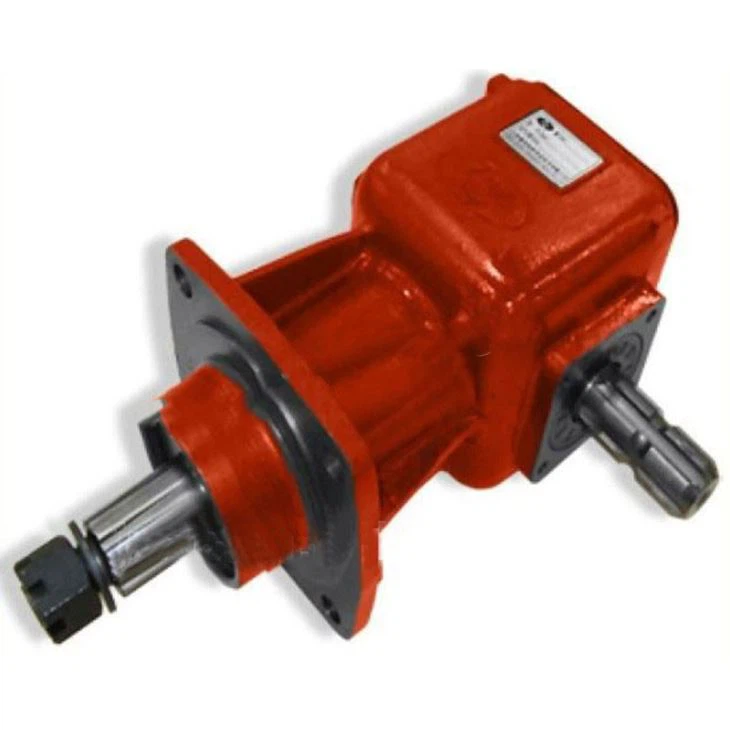
Repair or Replacement of a Mower Gearbox
Whether a mower gearbox can be repaired or needs to be replaced depends on the extent of the damage and the condition of the gearbox components. Here are some factors to consider:
- Minor Issues: If the gearbox is experiencing minor issues such as a leaking seal, damaged gasket, or a loose bolt, these problems can often be repaired without the need for a full replacement.
- Worn Gears or Bearings: If the gears or bearings are worn or damaged, they can sometimes be replaced individually, especially if the rest of the gearbox is in good condition.
- Severe Damage: If the gearbox housing is cracked, the gears are severely damaged, or the entire unit is extensively worn, a replacement gearbox might be the more cost-effective solution.
- Cost of Repairs: Sometimes, the cost of repairing multiple components in a gearbox can be close to the cost of a new gearbox. In such cases, it might make more sense to opt for a replacement.
- Age of the Mower: If the mower itself is old and the gearbox is showing signs of wear, it might be worth considering whether it’s more economical to invest in a new mower with a new gearbox.
It’s recommended to consult a professional mechanic or technician who specializes in mower repairs. They can assess the extent of the damage, provide you with repair and replacement options, and help you make an informed decision based on the specific situation.
Żywotność typowej skrzyni biegów kosiarki
Żywotność przekładni kosiarki może się różnić w zależności od kilku czynników, takich jak jakość przekładni, metody konserwacji, częstotliwość użytkowania i warunki pracy. Przeciętnie, dobrze utrzymana i wysokiej jakości przekładnia kosiarki może służyć od 5 do 10 lat, a nawet dłużej.
Regularna konserwacja, taka jak sprawdzanie i utrzymywanie poziomu oleju, czyszczenie i smarowanie podzespołów oraz szybkie rozwiązywanie wszelkich problemów, może znacznie wydłużyć żywotność przekładni kosiarki. Jakość podzespołów, prawidłowe użytkowanie i przestrzeganie wytycznych producenta również odgrywają kluczową rolę w określeniu trwałości przekładni kosiarki.
Jeśli zauważysz oznaki zużycia, problemy z wydajnością lub nietypowe dźwięki ze skrzyni biegów, ważne jest, aby zająć się tym niezwłocznie, aby zapobiec dalszym uszkodzeniom i potencjalnie wydłużyć żywotność skrzyni biegów.
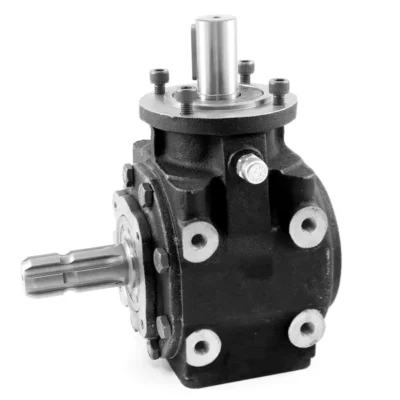
Maintaining a Mower Gearbox
Maintaining a mower gearbox is crucial to ensure its longevity, performance, and safe operation. Here are the key steps to effectively maintain a mower gearbox:
- Regular Inspection: Periodically inspect the gearbox for signs of wear, damage, or leaks. Check for any unusual noises or vibrations during operation.
- Lubrication: Follow the manufacturer’s guidelines for lubrication. Ensure the gearbox is properly lubricated with the recommended oil to minimize friction and reduce wear on moving parts.
- Cleaning: Keep the gearbox clean by removing dirt, debris, and grass clippings that can accumulate around the housing. Clean the exterior as well as the cooling fins to prevent overheating.
- Belt Tension: If the mower has belts connected to the gearbox, maintain proper belt tension according to the manufacturer’s recommendations. Loose or overly tight belts can affect the gearbox’s performance.
- Bearing Inspection: Check the bearings for any signs of wear, noise, or rough operation. Replace worn bearings to prevent damage to other components.
- Seals: Ensure that seals are intact and functioning properly. Replace damaged seals to prevent contaminants from entering the gearbox.
- Blade Maintenance: If the gearbox is associated with cutting blades, regularly sharpen and balance the blades to reduce strain on the gearbox. Replace any damaged or worn blades.
- Tighten Fasteners: Check and tighten all bolts, nuts, and fasteners that secure the gearbox components. Loose fasteners can lead to vibrations and misalignment.
- Alignment: Ensure that the gearbox is properly aligned with other components, such as the engine and cutting blades. Misalignment can cause excessive wear and reduce efficiency.
- Grease Fittings: If applicable, use grease fittings to lubricate specific components. Follow the manufacturer’s recommendations for greasing intervals.
- Professional Maintenance: If you’re unsure about certain maintenance tasks or notice significant issues, consider seeking professional maintenance or servicing for the gearbox.
By following these maintenance practices, you can extend the lifespan of the mower gearbox and ensure that it operates smoothly and efficiently during mowing operations.


editor by CX 2024-04-23


