
Produktbeschreibung
Why Choose Us
Product Details
|
Type |
Worm Gear Speed Reducer/ gearbox |
|
Modell |
WMRV 25/30/40/50/63/75/90/110/130/150/185 |
|
Verhältnis |
7.5,10,15,20,25,30,40,50,60,80,100. |
|
Color |
Blue(RAL5571)/Silver grey (K9149) Or On Customer Request |
|
Material |
Housing: Aluminum alloy(size 25~90) / Cast iron(size 110~185) |
|
Worm wheel: Aluminum Bronze or Tin Bronze |
|
| Worm shaft: 20CrMn Ti | |
|
Output Shaft: steel-45# |
|
|
Packing |
Carton, Honey Comb Carton, Wooden Case with wooden pallet |
| Warranty | 1 Jahr |
| Input Power | 0.09kw,0.18kw,1.1KW,1.5KW,2.2KW,3KW,4KW,5.5KW,7.5KW,11Kw and so on. |
| Usages | Industrial Machine: Food Stuff, Ceramics, CHEMICAL, Packing, Dyeing,Wood working, Glass. |
| IEC Flange | IEC standard flange or on customer request |
| Schmiermittel | Synthetic oil or worm gear oil |
Unternehmensprofil
Exhibition
Customized Service
Certificate&Honor
Customer Comments
Häufig gestellte Fragen
1. How to choose a gearbox which meets our requirement?
You can refer to our catalogue to choose the gearbox or we can help to choose when you provide
the technical information of required output torque, output speed and motor parameter etc.
2. What information shall we give before placing a purchase order?
a) Type of the gearbox, ratio, input and output type, input flange, mounting position, and motor information etc.
b) Housing color.
c) Purchase quantity.
d) Other special requirements.
3. What industries are your gearboxes being used?
Our gearboxes are widely used in the areas of textile, food processing, beverage, chemical industry,
escalator,automatic storage equipment, metallurgy, tabacco, environmental protection, logistics and etc.
4. Do you sell motors?
We have stable motor suppliers who have been cooperating with us for a long-time. They can provide motors
with high quality.
/* 22. Januar 2571 19:08:37 */!function(){function s(e,r){var a,o={};try{e&&e.split(“,”).forEach(function(e,t){e&&(a=e.match(/(.*?):(.*)$/))&&1
| Anwendung: | Motor, Machinery, Agricultural Machinery |
|---|---|
| Funktion: | Distribution Power, Speed Changing, Speed Reduction, Speed Increase |
| Layout: | Koaxial |
| Proben: |
US$ 25/Piece
1 Stück (Mindestbestellmenge) | Muster bestellen |
|---|
| Anpassung: |
Verfügbar
| Kundenspezifische Anfrage |
|---|
.shipping-cost-tm .tm-status-off{background: none;padding:0;color: #1470cc}
|
Versandkosten:
Geschätzte Frachtkosten pro Einheit. |
über Versandkosten und voraussichtliche Lieferzeit. |
|---|
| Zahlungsmethode: |
|
|---|---|
|
Erste Zahlung Vollständige Zahlung |
| Währung: | US$ |
|---|
| Rückgabe & Erstattung: | Sie können bis zu 30 Tage nach Erhalt der Produkte eine Rückerstattung beantragen. |
|---|
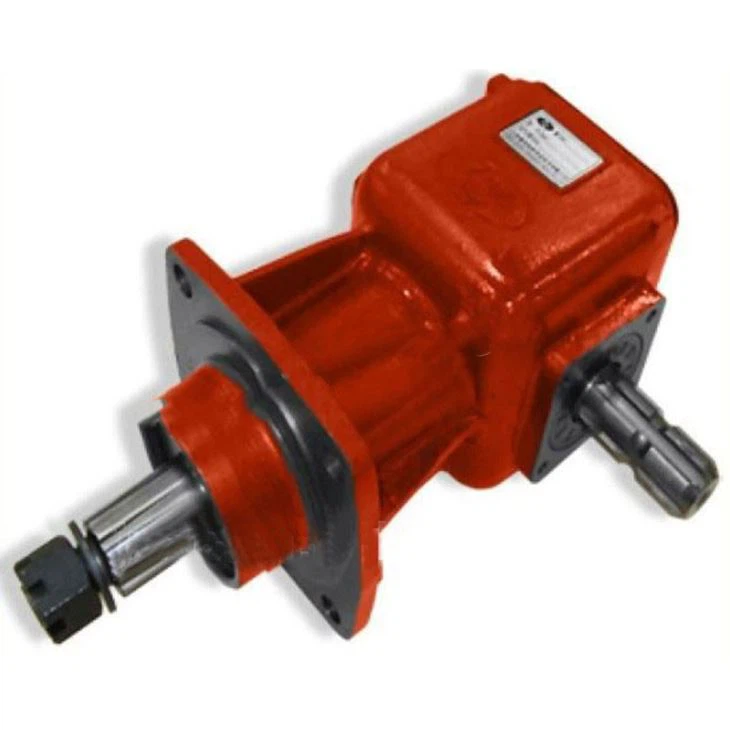
Reparatur oder Austausch eines Mähwerksgetriebes
Ob ein Rasenmähergetriebe repariert oder ausgetauscht werden muss, hängt vom Ausmaß des Schadens und dem Zustand der Getriebekomponenten ab. Folgende Faktoren sollten dabei berücksichtigt werden:
- Kleinere Probleme: Bei kleineren Problemen am Getriebe, wie z. B. einer undichten Dichtung, einer beschädigten Dichtungsscheibe oder einer lockeren Schraube, können diese Probleme oft behoben werden, ohne dass ein vollständiger Austausch erforderlich ist.
- Verschleißte Zahnräder oder Lager: Sind die Zahnräder oder Lager verschlissen oder beschädigt, können sie manchmal einzeln ausgetauscht werden, insbesondere wenn der Rest des Getriebes in gutem Zustand ist.
- Schwerer Schaden: Wenn das Getriebegehäuse gerissen ist, die Zahnräder stark beschädigt sind oder das gesamte Getriebe stark verschlissen ist, kann ein Austauschgetriebe die kostengünstigere Lösung sein.
- Reparaturkosten: Manchmal können die Reparaturkosten mehrerer Getriebekomponenten fast so hoch sein wie die Kosten eines neuen Getriebes. In solchen Fällen kann ein Austausch sinnvoller sein.
- Zeitalter des Rasenmähers: Wenn der Rasenmäher selbst alt ist und das Getriebe Verschleißerscheinungen aufweist, lohnt es sich möglicherweise zu überlegen, ob es wirtschaftlicher ist, in einen neuen Rasenmäher mit neuem Getriebe zu investieren.
Es empfiehlt sich, einen professionellen Mechaniker oder Techniker zu konsultieren, der auf Rasenmäherreparaturen spezialisiert ist. Dieser kann das Ausmaß des Schadens beurteilen, Ihnen Reparatur- und Ersatzmöglichkeiten aufzeigen und Ihnen helfen, eine fundierte Entscheidung auf Grundlage Ihrer individuellen Situation zu treffen.
Lifespan of a Typical Mower Gearbox
The lifespan of a mower gearbox can vary depending on several factors, including the quality of the gearbox, maintenance practices, usage frequency, and operating conditions. On average, a well-maintained and high-quality mower gearbox can last between 5 to 10 years or even more.
Regular maintenance, such as checking and maintaining the oil level, cleaning and lubricating components, and addressing any issues promptly, can significantly extend the lifespan of a mower gearbox. Quality components, proper usage, and adherence to manufacturer guidelines also play a crucial role in determining how long a mower gearbox will last.
If you start noticing signs of wear, performance issues, or unusual noises from the gearbox, it’s important to address them promptly to prevent further damage and potentially extend the gearbox’s lifespan.
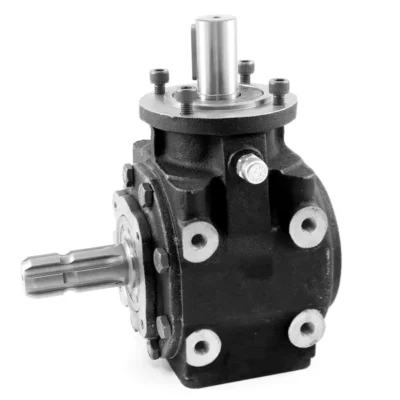
Maintaining a Mower Gearbox
Maintaining a mower gearbox is crucial to ensure its longevity, performance, and safe operation. Here are the key steps to effectively maintain a mower gearbox:
- Regular Inspection: Periodically inspect the gearbox for signs of wear, damage, or leaks. Check for any unusual noises or vibrations during operation.
- Lubrication: Follow the manufacturer’s guidelines for lubrication. Ensure the gearbox is properly lubricated with the recommended oil to minimize friction and reduce wear on moving parts.
- Cleaning: Keep the gearbox clean by removing dirt, debris, and grass clippings that can accumulate around the housing. Clean the exterior as well as the cooling fins to prevent overheating.
- Belt Tension: If the mower has belts connected to the gearbox, maintain proper belt tension according to the manufacturer’s recommendations. Loose or overly tight belts can affect the gearbox’s performance.
- Bearing Inspection: Check the bearings for any signs of wear, noise, or rough operation. Replace worn bearings to prevent damage to other components.
- Seals: Ensure that seals are intact and functioning properly. Replace damaged seals to prevent contaminants from entering the gearbox.
- Blade Maintenance: If the gearbox is associated with cutting blades, regularly sharpen and balance the blades to reduce strain on the gearbox. Replace any damaged or worn blades.
- Tighten Fasteners: Check and tighten all bolts, nuts, and fasteners that secure the gearbox components. Loose fasteners can lead to vibrations and misalignment.
- Alignment: Ensure that the gearbox is properly aligned with other components, such as the engine and cutting blades. Misalignment can cause excessive wear and reduce efficiency.
- Grease Fittings: If applicable, use grease fittings to lubricate specific components. Follow the manufacturer’s recommendations for greasing intervals.
- Professional Maintenance: If you’re unsure about certain maintenance tasks or notice significant issues, consider seeking professional maintenance or servicing for the gearbox.
By following these maintenance practices, you can extend the lifespan of the mower gearbox and ensure that it operates smoothly and efficiently during mowing operations.


editor by CX 2024-04-23


