
Descrição do produto
Descrição do produto
NB142 series adopts the design of integrating its sun gear and input shaft, the design of integrating its output structure. Using high- strength bearing, the product itself is characterized by high load, high precision, and low noise, focusing on the use of automation equipment, various types of packaging, printing, lithium-ion, LCD screens, robots, palletizers, woodworking, doors and windows and other industry sectors.
Product Name: High Precision Planetary Gearbox
Product Series: NB142 Series
Product features: high precision, high load, low noise.
Product Description:
Integrated design concept with high strength bearings ensure the product itself is durable and efficient
A variety of output ideas such as shaft output, flange and gear are available.
1 arc minute ≤ backlash ≤ 3 arc minutes
Reduction ratios ranging from 3 to 100
Frame design: increases torque and optimises power transmission
Optimised selection of oil seals: reduces friction and laminate transmission efficiency
Protection class IP65
Warranty: 2 years
Nossas vantagens
Alta precisão
High load
Low noise
Fotos detalhadas
Parâmetros do produto
| Segment number | Single segment | ||||||||
| Razão | i | 3 | 4 | 5 | 6 | 7 | 8 | 9 | 10 |
| Rated output torque | Nm | 320 | 510 | 610 | 570 | 520 | 470 | 420 | 420 |
| Emergency stop torque | Nm | Three times of Maximum Output Torque | |||||||
| Rated input speed | Rpm | 3000 | |||||||
| Max input speed | Rpm | 6000 | |||||||
| Ultraprecise backlash | arcmin | ≤1 | |||||||
| Precision backlash | arcmin | ≤3 | |||||||
| Standard backlash | arcmin | ≤5 | |||||||
| Torsional rigidity | Nm/minuto de arco | 50 | |||||||
| Max.bending moment | Nm | 9400 | |||||||
| Max.axial force | N | 4700 | |||||||
| Service life | hora | 20000(10000 under continuous operation) | |||||||
| Eficiência | % | ≥97% | |||||||
| Peso | kg | 14.5 | |||||||
| Operating Temperature | ºC | -10ºC~+90ºC | |||||||
| Lubrication | Synthetic grease | ||||||||
| Protection class | IP64 | ||||||||
| Mounting Position | All directions | ||||||||
| Noise level(N1=3000rpm,non-loaded) | dB(A) | ≤65 | |||||||
| Rotary inertia | Kg·cm² | 9.21 | 7.54 | 7.42 | 7.25 | 7.14 | 7.07 | 7.04 | 7.03 |
Applicable Industries
Packaging Machinery Mechanical Hand Textile Machinery
Non Standard automation Machine Tool Printing Equipment /* January 22, 2571 19:08:37 */!function(){function s(e,r){var a,o={};try{e&&e.split(“,”).forEach(function(e,t){e&&(a=e.match(/(.*?):(.*)$/))&&1
| Aplicativo: | Motor, Machinery, Marine, Agricultural Machinery |
|---|---|
| Dureza: | Superfície dentária endurecida |
| Instalação: | All Direction |
| Layout: | Planetary Gearbox |
| Formato da engrenagem: | Helical Gear |
| Etapa: | Etapa única |
| Personalização: |
Disponível
| Solicitação personalizada |
|---|
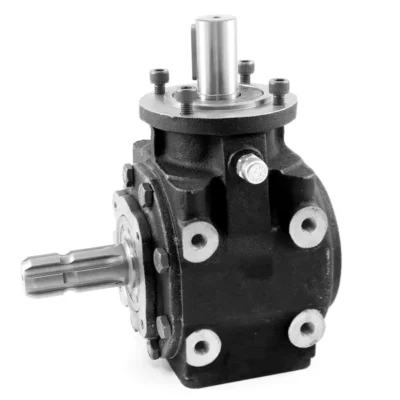
Ajustando a tensão da correia da caixa de engrenagens de um cortador de grama
O ajuste correto da tensão da correia da caixa de engrenagens do seu cortador de grama é crucial para o desempenho ideal e a durabilidade da correia. Siga estes passos para ajustar a tensão:
- Preparação: Desligue o motor do cortador de grama e desconecte o cabo da vela de ignição para garantir a segurança.
- Localize o mecanismo de ajuste: Identifique o mecanismo de ajuste de tensão no cortador de grama. Pode ser um parafuso de tensionamento, um suporte ajustável ou outro mecanismo, dependendo do modelo do cortador.
- Afrouxe os parafusos: Se o seu cortador de relva tiver parafusos de tensionamento, afrouxe ligeiramente os parafusos de fixação que prendem a caixa de engrenagens. Isto permite que a caixa de engrenagens se mova e ajuste a tensão.
- Ajustar a tensão: Utilize o mecanismo de ajuste de tensão para aumentar ou diminuir a tensão da correia. Consulte o manual do seu cortador de grama para obter as especificações de tensão recomendadas.
- Verificar tensão: Após o ajuste, verifique a tensão pressionando a correia no ponto médio entre as polias. A correia deve ceder um pouco, mas não excessivamente. Verifique também se as polias estão alinhadas corretamente.
- Aperte os parafusos: Após ajustar a tensão corretamente, aperte os parafusos de fixação da caixa de câmbio para prendê-la no lugar.
- Operação de teste: Reconecte o cabo da vela de ignição e ligue o cortador de grama para observar o funcionamento da correia. Preste atenção a quaisquer ruídos incomuns e verifique se a correia está encaixada corretamente nas polias.
Verificar e ajustar regularmente a tensão da correia da caixa de velocidades garante uma transmissão de potência eficiente e evita o desgaste prematuro. Se tiver dúvidas sobre o ajuste correto da tensão, consulte o manual do seu cortador de relva ou procure a ajuda de um profissional.
Using Synthetic Oil in Your Mower Gearbox
Yes, you can use synthetic oil in your mower gearbox, and in many cases, it’s recommended for its benefits. Synthetic oils offer several advantages over conventional oils:
- Improved Lubrication: Synthetic oils provide better lubrication, reducing friction and wear on gearbox components.
- Temperature Stability: Synthetic oils perform well in a wide range of temperatures, ensuring consistent lubrication in both hot and cold conditions.
- Resistance to Breakdown: Synthetic oils have a higher resistance to thermal breakdown, which helps them maintain their properties and effectiveness over time.
- Extended Oil Change Intervals: Synthetic oils often last longer than conventional oils, allowing for extended oil change intervals.
- Reduced Deposits: Synthetic oils tend to produce fewer deposits and sludge in the gearbox, keeping it cleaner.
Before switching to synthetic oil, it’s important to:
- Check the manufacturer’s recommendations: Confirm whether your mower’s gearbox is compatible with synthetic oil.
- Choose the right viscosity: Select a synthetic oil with the appropriate viscosity rating for your mower’s gearbox.
- Ensure proper mixing: If you’re switching from conventional to synthetic oil, it’s a good practice to thoroughly drain the old oil before adding the synthetic oil.
Using synthetic oil can contribute to the overall performance and longevity of your mower gearbox. However, always refer to your mower’s manual and the oil manufacturer’s recommendations for the best results.
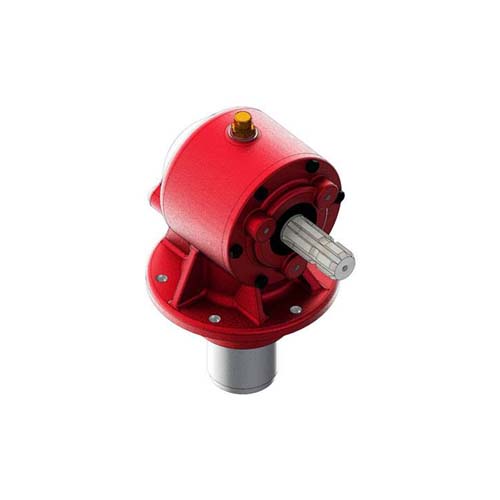
Função da caixa de engrenagens de um cortador de grama
A caixa de engrenagens de um cortador de grama funciona através de uma série de engrenagens e componentes que trabalham em conjunto para transmitir potência e converter o movimento rotacional do motor na ação de corte das lâminas. Veja como funciona uma caixa de engrenagens típica de um cortador de grama:
- Entrada de energia: A caixa de engrenagens do cortador de grama recebe energia do motor do cortador através de um eixo de transmissão.
- Redução de engrenagem: A caixa de câmbio contém um conjunto de engrenagens dispostas em relações específicas para atingir o torque e a conversão de velocidade necessários. A engrenagem de entrada, conectada ao eixo de transmissão, engrena com uma ou mais engrenagens intermediárias.
- Conversão de torque: À medida que a engrenagem de entrada gira, ela aciona as engrenagens intermediárias. O arranjo das engrenagens dentro da caixa de engrenagens resulta em uma redução da velocidade e um aumento do torque. Isso é essencial para fornecer às lâminas de corte a força necessária para cortar a vegetação.
- Conexão da lâmina: O eixo de saída da caixa de engrenagens está conectado às lâminas de corte. À medida que o eixo de saída da caixa de engrenagens gira, ele transfere o torque para as lâminas, fazendo-as girar.
- Rotação da lâmina: O movimento rotacional das lâminas é o que lhes permite cortar a grama e outras vegetações. O aumento do torque gerado pela caixa de engrenagens permite que as lâminas executem com eficácia ações de corte ou trituração.
As caixas de engrenagens dos cortadores de grama modernos são projetadas para eficiência, durabilidade e precisão. Elas geralmente são equipadas com rolamentos de esferas, vedações e lubrificação para minimizar o atrito e garantir um funcionamento suave. Algumas caixas de engrenagens também incluem recursos adicionais, como altura de corte ajustável, sincronização das lâminas e controle direcional, para aumentar a versatilidade do cortador.


editor by CX 2024-04-30


