
Descrizione del prodotto
Features:
1) Power: 5~15W, 15~25W, 25~40W, 40~60W, 60~90W, 90~120W, 120~150W, 150~200W
2) Ratio:i=3~100
|
coppia nominale in uscita |
N.M |
4.5-1800 |
|
Instant stop torque |
N.M |
Two times of rated output torque |
|
Life |
Hour |
30,000 |
|
Full load efficiency |
|
95%,98% |
|
Operating temperature |
°C |
-25—+90 |
|
IP |
|
IP54 |
|
Lubrication type |
|
Lifetime lubrication |
|
Mounting type |
|
Any |
|
Product type |
|
PLS70 |
PLS90 |
PLS115 |
PLS142 |
PLS190 |
|
Torsional stiffness |
N.M/arcmin |
6,7 |
9,10 |
20,22 |
44,46 |
130,140 |
|
Noise |
dB(A) |
58 |
60 |
65 |
68 |
70 |
|
Max output speed |
Min |
14000 |
10000 |
8500 |
6500 |
6000 |
|
Recommend input speed |
Min |
5000 |
4500 |
4000 |
3000 |
2500 |
Noise test standard pressure level,distance 1m,measured on idle running with an input speed of 3000rpm.
High precision planetary gearbox matched with serve motor,stepping motor are widely used.lowest backlash<3");high output torques;high efficiency(96%);honed toothings;22 ratios i=3,…,512;low noise(<65dB(A));any mounting position;easy motor mounting;life time lubrication;Figure diameters 40,60,80,120,160mm.more options.
Planetary gearbox:
ZDE:Precision planetary-round flange output
ZDF:Precision planetary-square flange output
ZDWE:Precise planetary-right angle round flange output
ZDWF:Precise planetary-right angle square flange output
ZDS:Precise planetary-high rigidity,low back lash
/* 22 gennaio 2571 19:08:37 */!function(){function s(e,r){var a,o={};try{e&&e.split(“,”).forEach(function(e,t){e&&(a=e.match(/(.*?):(.*)$/))&&1
| Applicazione: | Motor |
|---|---|
| Durezza: | OEM |
| Installazione: | OEM |
| Disposizione: | OEM |
| Gear Shape: | OEM |
| Fare un passo: | OEM |
| Personalizzazione: |
Disponibile
| Richiesta personalizzata |
|---|
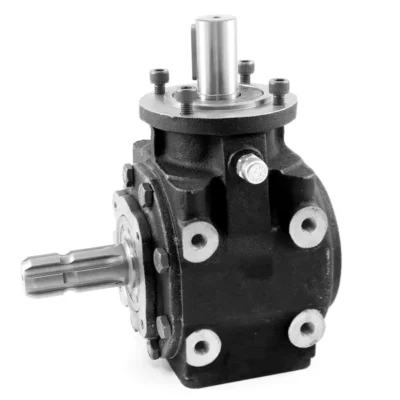
Adjusting Tension on a Mower Gearbox Belt
Proper tension adjustment of the gearbox belt in your mower is crucial for optimal performance and belt longevity. Follow these steps to adjust the tension:
- Preparation: Turn off the mower’s engine and disconnect the spark plug wire to ensure safety.
- Locate the Adjustment Mechanism: Identify the tension adjustment mechanism on the mower. This could be a tensioning bolt, an adjustable bracket, or another mechanism depending on the mower model.
- Loosen Bolts: If your mower has tensioning bolts, slightly loosen the mounting bolts securing the gearbox in place. This allows the gearbox to move and adjust tension.
- Adjust Tension: Use the tension adjustment mechanism to increase or decrease the tension on the belt. Refer to your mower’s manual for recommended tension specifications.
- Check Tension: After adjusting, check the tension by pressing down on the belt at a midpoint between the pulleys. The belt should give a little, but not excessively. Also, check for proper alignment of the pulleys.
- Tighten Bolts: Once the tension is set correctly, tighten the mounting bolts of the gearbox to secure it in place.
- Test Operation: Reconnect the spark plug wire and start the mower to observe the belt’s operation. Listen for any unusual noises and monitor the belt for proper engagement with the pulleys.
Regularly checking and adjusting the tension of the gearbox belt ensures efficient power transmission and prevents premature wear. If you’re unsure about the proper tension adjustment, consult your mower’s manual or seek assistance from a professional.
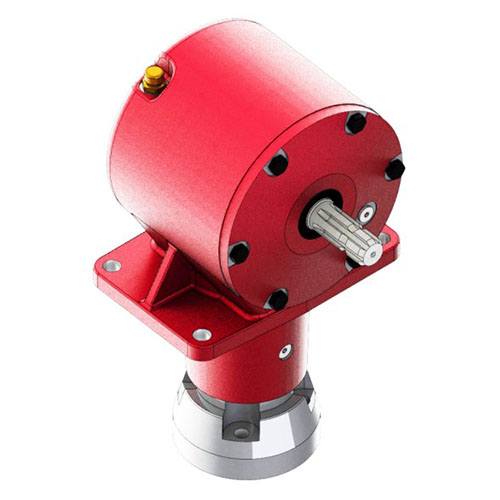
Troubleshooting Strange Noises from a Mower Gearbox
If you hear strange noises coming from your mower gearbox, follow these steps to troubleshoot the issue:
- Identify the Noise: Determine the type of noise, such as grinding, squealing, or knocking. Different noises can indicate various problems.
- Check Lubrication: Insufficient or contaminated lubrication can cause unusual noises. Check the gearbox’s oil level and condition and replace it if necessary.
- Inspect Gears and Bearings: Worn, damaged, or misaligned gears and bearings can generate noise. Inspect these components for wear, chipping, or misalignment.
- Tighten Fasteners: Loose bolts and fasteners can lead to vibration and noise. Check and tighten all fasteners connecting the gearbox to the mower.
- Check Belt Tension: A loose or misaligned drive belt can cause noise. Adjust the belt tension according to the manufacturer’s guidelines.
- Inspect Clutch Components: If your mower has a clutch, worn or damaged clutch components can create noise. Inspect the clutch assembly for any issues.
- Examine Blade Components: If the noise is related to blade engagement, check the blade assembly for damage, alignment, and balance.
- Clean Debris: Debris, dirt, and grass clippings can accumulate in the gearbox and cause noise. Clean the gearbox thoroughly and remove any obstructions.
- Seek Professional Help: If you can’t identify or fix the issue, consult a professional technician or service center for diagnosis and repair.
Regular maintenance and prompt identification of unusual noises can help prevent further damage and ensure the smooth operation of your mower gearbox.
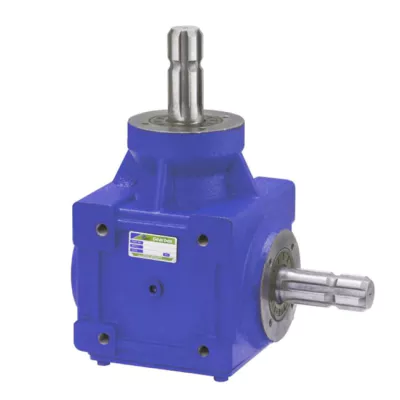
Segnali di un cambio del tosaerba difettoso
Un riduttore del tosaerba difettoso può causare prestazioni scadenti e riparazioni potenzialmente costose se non viene riparato tempestivamente. Ecco alcuni segnali comuni che indicano che il riduttore del vostro tosaerba potrebbe avere dei problemi:
- Rumori insoliti: Rumori di sfregamento, scricchiolio o stridio durante il funzionamento possono indicare ingranaggi o cuscinetti usurati o danneggiati nel cambio.
- Interruzione di corrente: Se il vostro tosaerba fatica a tagliare l'erba o ad avanzare in modo efficiente, il problema potrebbe essere dovuto a un guasto al cambio che compromette la trasmissione di potenza.
- Difficoltà nel cambio di marcia: Se il vostro tosaerba ha una trasmissione manuale, la difficoltà nel cambiare marcia o lo slittamento delle marce possono essere un segno di un problema al cambio.
- Perdita di petrolio: Perdite d'olio visibili intorno all'alloggiamento del cambio suggeriscono un potenziale problema alle guarnizioni o alle tenute che necessita di attenzione.
- Vibrazioni eccessive: Vibrazioni o scuotimenti eccessivi durante il funzionamento del tosaerba possono indicare un disallineamento degli ingranaggi o altri problemi interni al cambio.
- Taglio irregolare: Se il vostro tosaerba lascia chiazze d'erba irregolari, potrebbe essere dovuto a un problema con il riduttore che influisce sulla sincronizzazione delle lame.
- Coinvolgimento ritardato: Un ritardo tra l'innesto della trasmissione e il movimento del tosaerba può segnalare un problema al meccanismo di innesto del cambio.
- Odore di bruciato: Un odore di bruciato o di surriscaldamento potrebbe essere dovuto all'attrito causato da componenti del cambio danneggiati o lubrificati in modo inadeguato.
Se notate uno qualsiasi di questi segnali, è fondamentale intervenire tempestivamente. Ignorare i problemi al cambio può causare danni maggiori e riparazioni più costose in futuro. Si consiglia di consultare un professionista per una diagnosi accurata e le riparazioni appropriate.


editor by CX 2024-05-02


