
Descrição do produto
Features:
1) Power: 5~15W, 15~25W, 25~40W, 40~60W, 60~90W, 90~120W, 120~150W, 150~200W
2) Ratio:i=3~100
|
Rated output torque |
N.M |
4.5-1800 |
|
Instant stop torque |
N.M |
Two times of rated output torque |
|
Life |
Hour |
30,000 |
|
Full load efficiency |
|
95%,98% |
|
Operating temperature |
°C |
-25—+90 |
|
IP |
|
IP54 |
|
Lubrication type |
|
Lifetime lubrication |
|
Mounting type |
|
Any |
|
Product type |
|
PLS70 |
PLS90 |
PLS115 |
PLS142 |
PLS190 |
|
Rigidez torsional |
N.M/arcmin |
6,7 |
9,10 |
20,22 |
44,46 |
130,140 |
|
Noise |
dB(A) |
58 |
60 |
65 |
68 |
70 |
|
Max output speed |
Min |
14000 |
10000 |
8500 |
6500 |
6000 |
|
Recommend input speed |
Min |
5000 |
4500 |
4000 |
3000 |
2500 |
Noise test standard pressure level,distance 1m,measured on idle running with an input speed of 3000rpm.
High precision planetary gearbox matched with serve motor,stepping motor are widely used.lowest backlash<3");high output torques;high efficiency(96%);honed toothings;22 ratios i=3,…,512;low noise(<65dB(A));any mounting position;easy motor mounting;life time lubrication;Figure diameters 40,60,80,120,160mm.more options.
Planetary gearbox:
ZDE:Precision planetary-round flange output
ZDF:Precision planetary-square flange output
ZDWE:Precise planetary-right angle round flange output
ZDWF:Precise planetary-right angle square flange output
ZDS:Precise planetary-high rigidity,low back lash
/* 22 de janeiro de 2571 19:08:37 */!function(){function s(e,r){var a,o={};try{e&&e.split(“”,).forEach(function(e,t){e&&(a=e.match(/(.*?):(.*)$/))&&1
| Aplicativo: | Motor |
|---|---|
| Dureza: | OEM |
| Instalação: | OEM |
| Layout: | OEM |
| Formato da engrenagem: | OEM |
| Etapa: | OEM |
| Personalização: |
Disponível
| Solicitação personalizada |
|---|
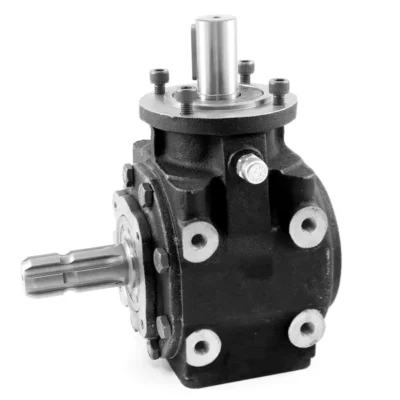
Ajustando a tensão da correia da caixa de engrenagens de um cortador de grama
O ajuste correto da tensão da correia da caixa de engrenagens do seu cortador de grama é crucial para o desempenho ideal e a durabilidade da correia. Siga estes passos para ajustar a tensão:
- Preparação: Desligue o motor do cortador de grama e desconecte o cabo da vela de ignição para garantir a segurança.
- Localize o mecanismo de ajuste: Identifique o mecanismo de ajuste de tensão no cortador de grama. Pode ser um parafuso de tensionamento, um suporte ajustável ou outro mecanismo, dependendo do modelo do cortador.
- Afrouxe os parafusos: Se o seu cortador de relva tiver parafusos de tensionamento, afrouxe ligeiramente os parafusos de fixação que prendem a caixa de engrenagens. Isto permite que a caixa de engrenagens se mova e ajuste a tensão.
- Ajustar a tensão: Utilize o mecanismo de ajuste de tensão para aumentar ou diminuir a tensão da correia. Consulte o manual do seu cortador de grama para obter as especificações de tensão recomendadas.
- Verificar tensão: Após o ajuste, verifique a tensão pressionando a correia no ponto médio entre as polias. A correia deve ceder um pouco, mas não excessivamente. Verifique também se as polias estão alinhadas corretamente.
- Aperte os parafusos: Após ajustar a tensão corretamente, aperte os parafusos de fixação da caixa de câmbio para prendê-la no lugar.
- Operação de teste: Reconecte o cabo da vela de ignição e ligue o cortador de grama para observar o funcionamento da correia. Preste atenção a quaisquer ruídos incomuns e verifique se a correia está encaixada corretamente nas polias.
Verificar e ajustar regularmente a tensão da correia da caixa de velocidades garante uma transmissão de potência eficiente e evita o desgaste prematuro. Se tiver dúvidas sobre o ajuste correto da tensão, consulte o manual do seu cortador de relva ou procure a ajuda de um profissional.
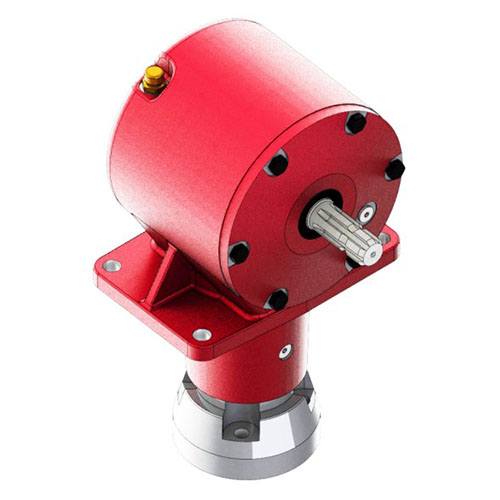
Solução de problemas de ruídos estranhos na caixa de engrenagens de um cortador de grama
Se ouvir ruídos estranhos vindos da caixa de engrenagens do seu cortador de relva, siga estes passos para solucionar o problema:
- Identifique o ruído: Determine o tipo de ruído, como rangido, guincho ou batida. Ruídos diferentes podem indicar problemas diversos.
- Verificar lubrificação: A lubrificação insuficiente ou contaminada pode causar ruídos incomuns. Verifique o nível e a condição do óleo da caixa de câmbio e substitua-o, se necessário.
- Inspecionar engrenagens e rolamentos: Engrenagens e rolamentos desgastados, danificados ou desalinhados podem gerar ruído. Inspecione esses componentes quanto a desgaste, lascas ou desalinhamento.
- Aperte os fixadores: Parafusos e fixadores soltos podem causar vibração e ruído. Verifique e aperte todos os fixadores que conectam a caixa de engrenagens ao cortador de grama.
- Verifique a tensão da correia: Uma correia de transmissão frouxa ou desalinhada pode causar ruído. Ajuste a tensão da correia de acordo com as instruções do fabricante.
- Inspecione os componentes da embreagem: Se o seu cortador de grama tiver embreagem, componentes desgastados ou danificados podem causar ruído. Inspecione o conjunto da embreagem para verificar se há algum problema.
- Examine os componentes da lâmina: Se o ruído estiver relacionado ao engate das lâminas, verifique se o conjunto das lâminas está danificado, alinhado e balanceado.
- Limpeza de detritos: Detritos, sujeira e restos de grama podem se acumular na caixa de engrenagens e causar ruído. Limpe-a completamente e remova quaisquer obstruções.
- Procure ajuda profissional: Se você não conseguir identificar ou solucionar o problema, consulte um técnico profissional ou uma assistência técnica para diagnóstico e reparo.
A manutenção regular e a identificação imediata de ruídos incomuns podem ajudar a prevenir danos maiores e garantir o bom funcionamento da caixa de engrenagens do seu cortador de grama.
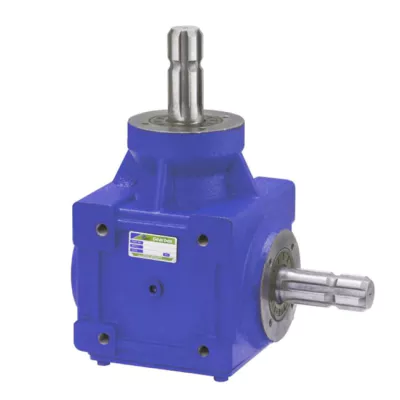
Sinais de uma caixa de engrenagens defeituosa no cortador de grama
Uma caixa de engrenagens defeituosa em um cortador de grama pode levar a um desempenho ruim e a reparos potencialmente caros se não for consertada rapidamente. Aqui estão alguns sinais comuns que indicam que a caixa de engrenagens do seu cortador de grama pode estar apresentando problemas:
- Ruídos incomuns: Ruídos de rangido, estalo ou guincho durante o funcionamento podem indicar engrenagens ou rolamentos desgastados ou danificados na caixa de engrenagens.
- Perda de energia: Se o seu cortador de relva estiver com dificuldades para cortar a relva ou para avançar de forma eficiente, isso pode ser devido a um problema na caixa de velocidades que afeta a transmissão de potência.
- Dificuldade em trocar de marcha: Se o seu cortador de grama tiver transmissão manual, dificuldade em trocar de marcha ou marchas que saem do lugar podem ser um sinal de problema na caixa de câmbio.
- Vazamento de óleo: Vazamentos visíveis de óleo ao redor da carcaça da caixa de câmbio sugerem um possível problema de vedação ou junta que precisa de atenção.
- Vibração excessiva: Vibrações ou trepidações excessivas durante o funcionamento do cortador de grama podem indicar engrenagens desalinhadas ou outros problemas internos na caixa de engrenagens.
- Corte irregular: Se o seu cortador de relva estiver a deixar falhas na relva, pode dever-se a um problema na caixa de velocidades que afeta a sincronização das lâminas.
- Engajamento atrasado: Um atraso entre o engate da transmissão e o movimento do cortador de grama pode indicar um problema com o mecanismo de engate da caixa de câmbio.
- Cheiro de queimado: Um odor de queimado ou superaquecimento pode ser resultado do atrito causado por componentes da caixa de engrenagens danificados ou com lubrificação inadequada.
Se você notar algum desses sinais, é crucial resolver o problema imediatamente. Ignorar problemas na caixa de câmbio pode levar a danos maiores e reparos mais caros no futuro. Recomenda-se consultar um profissional para um diagnóstico preciso e os reparos adequados.


editor by CX 2024-05-02


