
Descrizione del prodotto
WPDO speed reducer,; worm gear box
| Rated Power | 1.;5kw |
| Output Speed | 23~140rpm |
| Output Torque | 19-2745n.;M |
| Ratio | 1/10~1/60 |
Model NO.;:; WP series Manufacturing Method:; Cast Gear
Toothed Portion Shape:; Spur Gear Type:; Worm and Wormwheel
Gearing Arrangement:; Worm Output Torque:; 19-2745n.;M
Rated Power:; 1.;5kw Input Speed:; 1400
Output Speed:; 23~140rpm Place of Origin:; ZHangZhoug,;China
Model Number:; Wpdo Brand Name:; EED
Color:; Green,;Yellow or According to Custom Extra Service:; OEM Welcome!!!
Specification:; SGS,; ISO9001 Origin:; ZHangZhoug,; China
HS Code:; Worm gear box
1.; Widely used in turbines,; shaft liners and axletrees,; good resistance to wearing,; with high precision in dimensions,; lower noise,; advanced centric running castings
2.; Without vent and highly precision
3.; The whole structure is compact and the weight is larger
1.; Notice of installation
1.;1 Thebase-plate must be plane and stoutness,; and the base-plate must be screwed downand shockproof.;
1.;2 Theconnecting shaft of prime mover,; reducer and operation device must be coaxialinstallation.;
1.;3 Thediameter tolerance zone of input and output shaft is H6,; the holes of fittings(such as couplings,; belt-pulley,; sprocket wheel and so on); must properly matethe shaft,; which prevents bearing from breakage because of over-loose mate.;
1.;4 Driverssuch as sprocket wheel and gear must be fitted close to bearings in order toreduce bending stress of hanging shaft.; 1.;5 Whiteassembling motor of WPD reducer,; it is necessary that proper amount of butterapplies to the worm shaft input hole and keyway,; avoiding assembling tootightly and rusting after using for a long time.; 1.;6 WhenOrdering or using all kinds of WPD type,; if the motor weight is binger than thecommon,; supporting set is required.;
2.; Notices of usage
2.;1 Before using,; please check carefully whether the reducer model,; distance,; ratio,; input connecting method,; output shaft structure,; input and output shaftdirection and revolving direction accord with requirement.;
2.;2 According to the requirement of selecting lubricant oil in the productmanual,; please fill proper category and brand lubricant.; And then screw on thevent-plug; Unlock the small cone-plug of vent-plug.; Only after doing these,; reducer is already for starting up running.; The proper brand and adequatelubricant oil is required,; replacing oil in time conforming to the request ofproduct manual is also necessary,; especially after using first 100 hours,; it isrequired refilling new oil.;
2.;3 Whenabnormal circumstances occur,; please stop and check reducer per solutions andreasons for faults of reducer (allowable highest oil temperature is 95,; under this temperature limit,; ifoil temperature no more goes up,; please let reducer continue running);
| Applicazione: | Motor, Machinery, Agricultural Machinery |
|---|---|
| Durezza: | Superficie del dente indurita |
| Installazione: | Horizontal Type |
| Disposizione: | Coaxial |
| Gear Shape: | Conical – Cylindrical Gear |
| Fare un passo: | Single-Step |
| Personalizzazione: |
Disponibile
| Richiesta personalizzata |
|---|
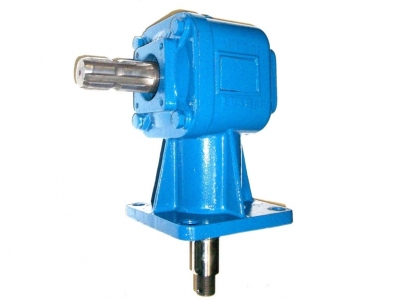
Lubrication Frequency for Mower Gearbox
The frequency of lubricating your mower gearbox depends on the manufacturer’s recommendations, usage intensity, and operating conditions. Here are some general guidelines:
- Regular Maintenance: It’s recommended to lubricate your mower gearbox at the beginning of the mowing season or after about 25-50 hours of operation.
- Heavy Usage: If you’re using your mower frequently or in challenging conditions such as dusty or wet environments, you might need to lubricate more often, perhaps every 10-20 hours of operation.
- Check the Manual: Consult your mower’s user manual for specific lubrication intervals and the type of lubricant to use. Different mowers and gearboxes might have varying requirements.
- Inspect Regularly: Keep an eye on the gearbox for any signs of oil leakage or unusual noise. If you notice any issues, it’s a good idea to inspect and lubricate the gearbox as needed.
Using the right type of lubricant is crucial for optimal gearbox performance. Make sure to use a high-quality lubricating oil recommended by the manufacturer. Always follow proper lubrication procedures outlined in the user manual to ensure the longevity and efficiency of your mower gearbox.
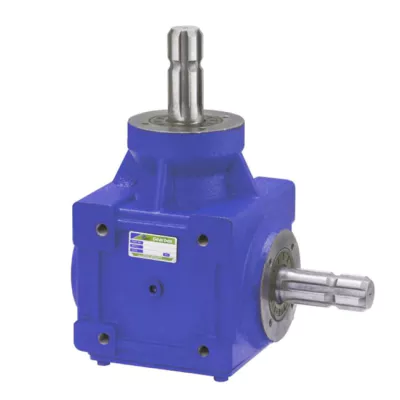
Common Problems with Mower Gearboxes and How to Fix Them
Mower gearboxes can experience various issues over time. Here are some common problems and their potential solutions:
- Perdita di petrolio: If you notice oil leaks, inspect the seals and gaskets. Replace any damaged components and refill the gearbox with the appropriate oil.
- Strange Noises: Unusual noises can indicate worn bearings or gears. Inspect the gearbox for wear and replace any damaged parts.
- Overheating: Overheating can result from low oil levels or excessive friction. Check the oil level and quality, and ensure proper lubrication.
- Poor Performance: If the mower gearbox isn’t performing as expected, check for loose belts, misaligned pulleys, or damaged gears. Adjust or replace parts as needed.
- Slipping Belts: Slipping belts can cause uneven cutting. Check the tension of the belts and adjust them to the manufacturer’s specifications.
- Lack of Power: If the mower lacks power, check the gearbox and belts for obstructions, and make sure the gears are functioning properly.
- Vibration: Excessive vibration can result from imbalanced blades or damaged gearbox components. Balance the blades and inspect the gearbox for wear.
- Stuck Gears: If gears become stuck, check for debris or damage. Clean the gearbox and replace any worn or damaged parts.
- Worn Bearings: Worn bearings can cause increased friction and noise. Replace worn bearings with new ones to maintain smooth operation.
- Seized Components: If parts are seized, such as pulleys or shafts, inspect for damage or corrosion. Lubricate or replace components as needed.
For any complex issues or if you’re unsure about repairs, it’s recommended to consult the mower’s manual or seek help from a professional technician or authorized service center.
Segnali di un cambio del tosaerba difettoso
Un riduttore del tosaerba difettoso può causare prestazioni scadenti e riparazioni potenzialmente costose se non viene riparato tempestivamente. Ecco alcuni segnali comuni che indicano che il riduttore del vostro tosaerba potrebbe avere dei problemi:
- Rumori insoliti: Rumori di sfregamento, scricchiolio o stridio durante il funzionamento possono indicare ingranaggi o cuscinetti usurati o danneggiati nel cambio.
- Interruzione di corrente: Se il vostro tosaerba fatica a tagliare l'erba o ad avanzare in modo efficiente, il problema potrebbe essere dovuto a un guasto al cambio che compromette la trasmissione di potenza.
- Difficoltà nel cambio di marcia: Se il vostro tosaerba ha una trasmissione manuale, la difficoltà nel cambiare marcia o lo slittamento delle marce possono essere un segno di un problema al cambio.
- Perdita di petrolio: Perdite d'olio visibili intorno all'alloggiamento del cambio suggeriscono un potenziale problema alle guarnizioni o alle tenute che necessita di attenzione.
- Vibrazioni eccessive: Vibrazioni o scuotimenti eccessivi durante il funzionamento del tosaerba possono indicare un disallineamento degli ingranaggi o altri problemi interni al cambio.
- Taglio irregolare: Se il vostro tosaerba lascia chiazze d'erba irregolari, potrebbe essere dovuto a un problema con il riduttore che influisce sulla sincronizzazione delle lame.
- Coinvolgimento ritardato: Un ritardo tra l'innesto della trasmissione e il movimento del tosaerba può segnalare un problema al meccanismo di innesto del cambio.
- Odore di bruciato: Un odore di bruciato o di surriscaldamento potrebbe essere dovuto all'attrito causato da componenti del cambio danneggiati o lubrificati in modo inadeguato.
Se notate uno qualsiasi di questi segnali, è fondamentale intervenire tempestivamente. Ignorare i problemi al cambio può causare danni maggiori e riparazioni più costose in futuro. Si consiglia di consultare un professionista per una diagnosi accurata e le riparazioni appropriate.


editor by CX 2023-10-20


