
Descrição do produto
Product Description:
1. Flexspline is a hollow flanging standard cylinder structure.
2. The structure of the whole item is compact. The input shaft is directly matched with the inner hole of the wave generator. They are connected by a flat key slot.
3. The connecting way is circular spline fixed and flexible output, Or it can also be used that flexible fixed and circular spline output.
Advantages:
1. High precision, high torque
2. Dedicated technical personnel can be on-the-go to provide design solutions
3. Factory direct sales fine workmanship durable quality assurance
4. Product quality issues have a one-year warranty time, can be returned for replacement or repair
Company profile:
HangZhou CHINAMFG Technology Co., Ltd. established in 2014, is committed to the R & D plant of high-precision transmission components. At present, the annual production capacity can reach 45000 sets of harmonic reducers. We firmly believe in quality first. All links from raw materials to finished products are strictly supervised and controlled, which provides a CHINAMFG foundation for product quality. Our products are sold all over the country and abroad.
The harmonic reducer and other high-precision transmission components were independently developed by the company. Our company spends 20% of its sales every year on the research and development of new technologies in the industry. There are 5 people in R & D.
Our advantage is as below:
1.7 years of marketing experience
2. 5-person R & D team to provide you with technical support
3. It is sold at home and abroad and exported to Turkey and Ireland
4. The product quality is guaranteed with a one-year warranty
5. Products can be customized
Strength factory:
Our plant has an entire campus The number of workshops is around 300 Whether it’s from the production of raw materials and the procurement of raw materials to the inspection of finished products, we’re doing it ourselves. There is a complete production system
HCS-I Parameter:
| Modelo | Speed ratio | Enter the rated torque at 2000r/min | Allowed CHINAMFG torque at start stop | The allowable maximum of the average load torque | Maximum torque is allowed in an instant | Allow the maximum speed to be entered | Average input speed is allowed | Back gap | design life | ||||
| NM | kgfm | NM | kgfm | NM | kgfm | NM | kgfm | r / min | r / min | Arc sec | Hour | ||
| 11 | 80 | 3.8 | 0.4 | 8.5 | 0.9 | 6.8 | 0.7 | 19.1 | 1.9 | 8000 | 3000 | ≤30 | 10000 |
| 100 | 4.1 | 0.4 | 8.9 | 0.9 | 7.2 | 0.7 | 20 | 2 | |||||
| 14 | 50 | 6.2 | 0.6 | 20.7 | 2.1 | 7.9 | 0.7 | 40.3 | 4.1 | 7000 | 3000 | ≤30 | 15000 |
| 80 | 9 | 0.9 | 27 | 2.7 | 12.7 | 1.3 | 54.1 | 5.5 | |||||
| 100 | 9 | 0.9 | 32 | 3.3 | 12.7 | 1.3 | 62.1 | 6.3 | |||||
| 17 | 50 | 18.4 | 1.9 | 39 | 4 | 29.9 | 3 | 80.5 | 8.2 | 6500 | 3000 | ≤30 | 15000 |
| 80 | 25.3 | 2.6 | 49.5 | 5 | 31 | 3.2 | 100.1 | 10.2 | |||||
| 100 | 27.6 | 2.8 | 62 | 6.3 | 45 | 4.6 | 124.2 | 12.7 | |||||
| 20 | 50 | 28.8 | 2.9 | 64.4 | 6.6 | 39 | 4 | 112.7 | 11.5 | 5600 | 3000 | ≤30 | 15000 |
| 80 | 39.1 | 4 | 85 | 8.8 | 54 | 5.5 | 146.1 | 14.9 | |||||
| 100 | 46 | 4.7 | 94.3 | 9.6 | 56 | 5.8 | 169.1 | 17.2 | |||||
| 120 | 46 | 4.7 | 100 | 10.2 | 56 | 5.8 | 169.1 | 17.2 | |||||
| 160 | 46 | 4.7 | 112 | 10.9 | 56 | 5.8 | 169.1 | 17.2 | |||||
| 25 | 50 | 44.9 | 4.6 | 113 | 11.5 | 63 | 6.5 | 213.9 | 21.8 | 4800 | 3000 | ≤30 | 15000 |
| 80 | 72.5 | 7.4 | 158 | 16.1 | 100 | 10.2 | 293.3 | 29.9 | |||||
| 100 | 77.1 | 7.9 | 181 | 18.4 | 124 | 12.7 | 326.6 | 33.3 | |||||
| 120 | 77.1 | 7.9 | 192 | 19.6 | 124 | 12.7 | 349.6 | 35.6 | |||||
| 32 | 50 | 87.4 | 8.9 | 248 | 25.3 | 124 | 12.7 | 439 | 44.8 | 4000 | 3000 | ≤30 | 15000 |
| 80 | 135.7 | 13.8 | 350 | 35.6 | 192 | 19.6 | 653 | 66.6 | |||||
| 100 | 157.6 | 16.1 | 383 | 39.1 | 248 | 25.3 | 744 | 75.9 | |||||
| 120 | 157.6 | 16.1 | 406 | 41.4 | 248 | 25.3 | 789 | 80.5 | |||||
HCG Parameter:
| Modelo | Speed ratio | Enter the rated torque at 2000r/min | Allowed CHINAMFG torque at start stop | The allowable maximum of the average load torque | Maximum torque is allowed in an instant | Allow the maximum speed to be entered | Average input speed is allowed | Back gap | design life | ||||
| NM | kgfm | NM | kgfm | NM | kgfm | NM | kgfm | r / min | r / min | Arc sec | Hour | ||
| 11 | 80 | 3.8 | 0.4 | 8.5 | 0.9 | 6.8 | 0.7 | 19.1 | 1.9 | 8000 | 3000 | ≤20 | 10000 |
| 100 | 4.1 | 0.4 | 8.9 | 0.9 | 7.2 | 0.7 | 20 | 2 | |||||
| 14 | 50 | 7 | 0.7 | 23 | 2.3 | 9 | 0.9 | 46 | 4.7 | 10000 | 6500 | ≤20 | 15000 |
| 80 | 10 | 1 | 30 | 3.1 | 14 | 1.4 | 61 | 6.2 | |||||
| 100 | 10 | 1 | 36 | 3.7 | 14 | 1.4 | 70 | 7.2 | |||||
| 17 | 50 | 21 | 2.1 | 44 | 4.5 | 34 | 3.4 | 91 | 9 | 7500 | 5600 | ≤20 | 20000 |
| 80 | 29 | 2.9 | 56 | 5.7 | 35 | 3.6 | 113 | 12 | |||||
| 100 | 31 | 3.2 | 70 | 7.2 | 51 | 5.2 | 143 | 15 | |||||
| 20 | 50 | 33 | 3.3 | 73 | 7.4 | 44 | 4.5 | 127 | 13 | 7000 | 4800 | ≤20 | 2000 |
| 80 | 44 | 4.5 | 96 | 9.8 | 61 | 6.2 | 165 | 17 | |||||
| 100 | 52 | 5.3 | 107 | 10.9 | 64 | 6.5 | 191 | 20 | |||||
| 120 | 52 | 5.3 | 113 | 11.5 | 64 | 6.5 | 191 | 20 | |||||
| 160 | 52 | 5.3 | 120 | 12.2 | 64 | 6.5 | 191 | 20 | |||||
| 25 | 50 | 51 | 5.2 | 127 | 13 | 72 | 7.3 | 242 | 25 | 5600 | 4000 | ≤20 | 2000 |
| 80 | 82 | 8.4 | 178 | 18 | 113 | 12 | 332 | 34 | |||||
| 100 | 87 | 8.9 | 204 | 21 | 140 | 14 | 369 | 38 | |||||
| 120 | 87 | 8.9 | 217 | 22 | 140 | 14 | 395 | 40 | |||||
| 32 | 50 | 99 | 10 | 281 | 29 | 140 | 14 | 497 | 51 | 5600 | 3000 | ≤20 | 2000 |
| 80 | 153 | 16 | 395 | 40 | 217 | 22 | 738 | 75 | |||||
| 100 | 178 | 18 | 433 | 44 | 281 | 29 | 841 | 86 | |||||
| 120 | 178 | 18 | 459 | 47 | 281 | 29 | 892 | 91 | |||||
Exhibitions:
Application case:
FQA:
P: O que devo fornecer ao escolher uma caixa de engrenagens/redutor de velocidade?
A: A melhor maneira é fornecer o desenho do motor com os parâmetros. Nosso engenheiro irá verificar e recomendar o modelo de caixa de engrenagens mais adequado para sua referência.
Ou você também pode fornecer as especificações abaixo:
1) Tipo, modelo e torque.
2) Relação ou velocidade de saída
3) Condições de funcionamento e método de conexão
4) Qualidade e nome da máquina instalada
5) Modo de entrada e velocidade de entrada
6) Marca, modelo ou flange do motor e dimensões do eixo do motor
/* 22 de janeiro de 2571 19:08:37 */!function(){function s(e,r){var a,o={};try{e&&e.split(“”,).forEach(function(e,t){e&&(a=e.match(/(.*?):(.*)$/))&&1
| Aplicativo: | Motor, Electric Cars, Motorcycle, Machinery, Marine, Car |
|---|---|
| Dureza: | Superfície dentária endurecida |
| Instalação: | 90 graus |
| Layout: | Coaxial |
| Formato da engrenagem: | Engrenagem cilíndrica |
| Etapa: | Etapa única |
| Personalização: |
Disponível
| Solicitação personalizada |
|---|
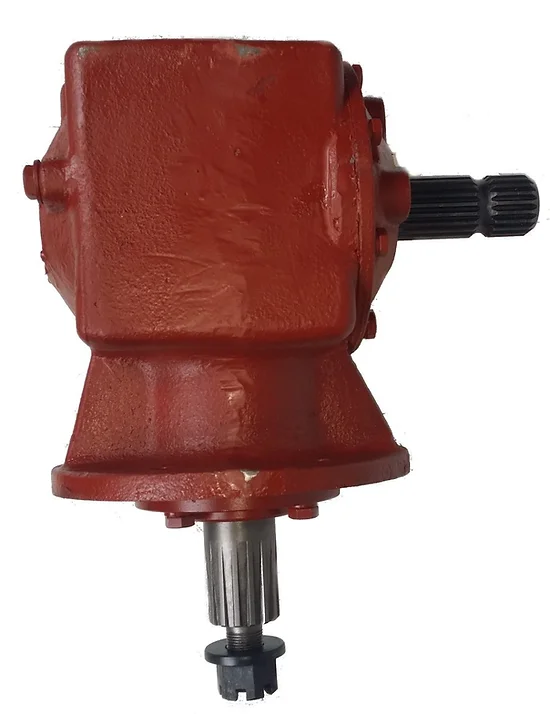
Safety Precautions when Working with Mower Gearboxes
Working with mower gearboxes requires careful attention to safety to prevent accidents and injuries. Follow these safety precautions:
- Disconnect Power: Before performing any maintenance or adjustments, turn off the mower’s engine and disconnect the spark plug wire to prevent accidental starts.
- Wait for Cooling: Allow the gearbox to cool down if it has been running, as it can become hot during operation.
- Wear Protective Gear: Use appropriate personal protective equipment (PPE), such as gloves, safety glasses, and closed-toe shoes, to protect yourself from debris and moving parts.
- Stabilize the Mower: Make sure the mower is on a level surface and properly stabilized before attempting any work on the gearbox.
- Read the Manual: Refer to the mower’s manual for specific safety instructions and procedures related to gearbox maintenance.
- Use the Right Tools: Always use the correct tools for the job, and ensure they are in good condition. Incorrect tools can lead to accidents and damage.
- Avoid Loose Clothing: Wear clothing that fits well and doesn’t risk getting caught in moving parts.
- Keep Hands Clear: Keep your hands and fingers away from the gearbox and belts while the engine is running or while performing maintenance.
- Properly Ventilate: If you’re working in an enclosed space, ensure proper ventilation to prevent exposure to exhaust fumes.
- One Task at a Time: Focus on one task at a time. Avoid distractions and multitasking while working on the mower gearbox.
- Maintain a Clean Work Area: Keep the work area clean and organized to avoid tripping hazards and to ensure easy access to tools.
- Replace Guards and Covers: After performing maintenance, ensure all guards and covers are properly reinstalled before operating the mower.
- Dispose of Fluids Properly: If you need to drain fluids from the gearbox, dispose of them according to local regulations.
- Procure ajuda profissional: If you’re unsure about any maintenance or repairs, or if the task requires specialized knowledge, consult a professional or authorized service center.
Adhering to these safety precautions will help you work safely and effectively with mower gearboxes, reducing the risk of accidents and injuries.
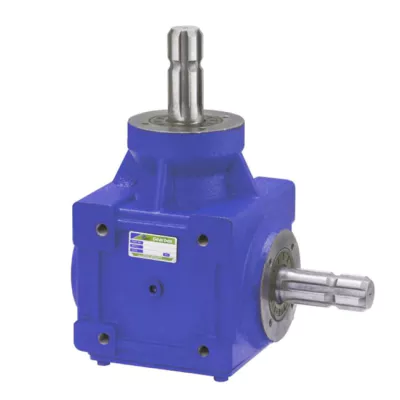
Problemas comuns nas caixas de engrenagens de cortadores de grama e como resolvê-los
As caixas de engrenagens dos cortadores de grama podem apresentar diversos problemas ao longo do tempo. Aqui estão alguns problemas comuns e suas possíveis soluções:
- Vazamento de óleo: Se notar vazamentos de óleo, inspecione as vedações e juntas. Substitua quaisquer componentes danificados e complete o nível do óleo na caixa de câmbio com o óleo apropriado.
- Ruídos estranhos: Ruídos incomuns podem indicar rolamentos ou engrenagens desgastados. Inspecione a caixa de engrenagens em busca de desgaste e substitua quaisquer peças danificadas.
- Superaquecimento: O superaquecimento pode ser causado por níveis baixos de óleo ou atrito excessivo. Verifique o nível e a qualidade do óleo e assegure uma lubrificação adequada.
- Desempenho ruim: Se a caixa de engrenagens do cortador de grama não estiver funcionando como esperado, verifique se há correias frouxas, polias desalinhadas ou engrenagens danificadas. Ajuste ou substitua as peças conforme necessário.
- Correias escorregadias: Correias que deslizam podem causar cortes irregulares. Verifique a tensão das correias e ajuste-as de acordo com as especificações do fabricante.
- Falta de energia: Se o cortador de grama estiver com pouca potência, verifique se há obstruções na caixa de engrenagens e nas correias e certifique-se de que as engrenagens estejam funcionando corretamente.
- Vibração: Vibrações excessivas podem ser causadas por pás desbalanceadas ou componentes da caixa de engrenagens danificados. Balanceie as pás e inspecione a caixa de engrenagens quanto a desgaste.
- Engrenagens emperradas: Se as engrenagens emperrarem, verifique se há detritos ou danos. Limpe a caixa de engrenagens e substitua quaisquer peças desgastadas ou danificadas.
- Rolamentos desgastados: Rolamentos desgastados podem causar aumento de atrito e ruído. Substitua os rolamentos desgastados por novos para manter o funcionamento suave.
- Componentes apreendidos: Se alguma peça estiver travada, como polias ou eixos, inspecione-a quanto a danos ou corrosão. Lubrifique ou substitua os componentes conforme necessário.
Para problemas complexos ou em caso de dúvidas sobre reparos, recomenda-se consultar o manual do cortador de grama ou procurar a ajuda de um técnico profissional ou centro de serviço autorizado.
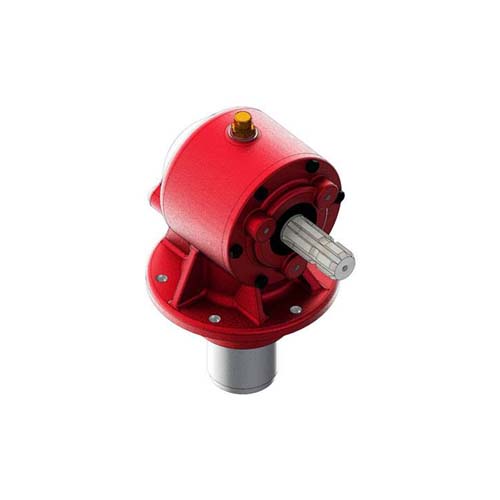
Função da caixa de engrenagens de um cortador de grama
A caixa de engrenagens de um cortador de grama funciona através de uma série de engrenagens e componentes que trabalham em conjunto para transmitir potência e converter o movimento rotacional do motor na ação de corte das lâminas. Veja como funciona uma caixa de engrenagens típica de um cortador de grama:
- Entrada de energia: A caixa de engrenagens do cortador de grama recebe energia do motor do cortador através de um eixo de transmissão.
- Redução de engrenagem: A caixa de câmbio contém um conjunto de engrenagens dispostas em relações específicas para atingir o torque e a conversão de velocidade necessários. A engrenagem de entrada, conectada ao eixo de transmissão, engrena com uma ou mais engrenagens intermediárias.
- Conversão de torque: À medida que a engrenagem de entrada gira, ela aciona as engrenagens intermediárias. O arranjo das engrenagens dentro da caixa de engrenagens resulta em uma redução da velocidade e um aumento do torque. Isso é essencial para fornecer às lâminas de corte a força necessária para cortar a vegetação.
- Conexão da lâmina: O eixo de saída da caixa de engrenagens está conectado às lâminas de corte. À medida que o eixo de saída da caixa de engrenagens gira, ele transfere o torque para as lâminas, fazendo-as girar.
- Rotação da lâmina: O movimento rotacional das lâminas é o que lhes permite cortar a grama e outras vegetações. O aumento do torque gerado pela caixa de engrenagens permite que as lâminas executem com eficácia ações de corte ou trituração.
As caixas de engrenagens dos cortadores de grama modernos são projetadas para eficiência, durabilidade e precisão. Elas geralmente são equipadas com rolamentos de esferas, vedações e lubrificação para minimizar o atrito e garantir um funcionamento suave. Algumas caixas de engrenagens também incluem recursos adicionais, como altura de corte ajustável, sincronização das lâminas e controle direcional, para aumentar a versatilidade do cortador.


editor by CX 2024-04-03


