
وصف المنتج
Product Description:
1. Flexspline is a hollow flanging standard cylinder structure.
2. The structure of the whole item is compact. The input shaft is directly matched with the inner hole of the wave generator. They are connected by a flat key slot.
3. The connecting way is circular spline fixed and flexible output, Or it can also be used that flexible fixed and circular spline output.
Advantages:
1. High precision, high torque
2. Dedicated technical personnel can be on-the-go to provide design solutions
3. Factory direct sales fine workmanship durable quality assurance
4. Product quality issues have a one-year warranty time, can be returned for replacement or repair
Company profile:
HangZhou CHINAMFG Technology Co., Ltd. established in 2014, is committed to the R & D plant of high-precision transmission components. At present, the annual production capacity can reach 45000 sets of harmonic reducers. We firmly believe in quality first. All links from raw materials to finished products are strictly supervised and controlled, which provides a CHINAMFG foundation for product quality. Our products are sold all over the country and abroad.
The harmonic reducer and other high-precision transmission components were independently developed by the company. Our company spends 20% of its sales every year on the research and development of new technologies in the industry. There are 5 people in R & D.
Our advantage is as below:
1.7 years of marketing experience
2. 5-person R & D team to provide you with technical support
3. It is sold at home and abroad and exported to Turkey and Ireland
4. The product quality is guaranteed with a one-year warranty
5. Products can be customized
Strength factory:
Our plant has an entire campus The number of workshops is around 300 Whether it’s from the production of raw materials and the procurement of raw materials to the inspection of finished products, we’re doing it ourselves. There is a complete production system
HCS-I Parameter:
| Model | Speed ratio | Enter the rated torque at 2000r/min | Allowed CHINAMFG torque at start stop | The allowable maximum of the average load torque | Maximum torque is allowed in an instant | Allow the maximum speed to be entered | Average input speed is allowed | Back gap | design life | ||||
| NM | kgfm | NM | kgfm | NM | kgfm | NM | kgfm | r / min | r / min | Arc sec | Hour | ||
| 11 | 80 | 3.8 | 0.4 | 8.5 | 0.9 | 6.8 | 0.7 | 19.1 | 1.9 | 8000 | 3000 | ≤30 | 10000 |
| 100 | 4.1 | 0.4 | 8.9 | 0.9 | 7.2 | 0.7 | 20 | 2 | |||||
| 14 | 50 | 6.2 | 0.6 | 20.7 | 2.1 | 7.9 | 0.7 | 40.3 | 4.1 | 7000 | 3000 | ≤30 | 15000 |
| 80 | 9 | 0.9 | 27 | 2.7 | 12.7 | 1.3 | 54.1 | 5.5 | |||||
| 100 | 9 | 0.9 | 32 | 3.3 | 12.7 | 1.3 | 62.1 | 6.3 | |||||
| 17 | 50 | 18.4 | 1.9 | 39 | 4 | 29.9 | 3 | 80.5 | 8.2 | 6500 | 3000 | ≤30 | 15000 |
| 80 | 25.3 | 2.6 | 49.5 | 5 | 31 | 3.2 | 100.1 | 10.2 | |||||
| 100 | 27.6 | 2.8 | 62 | 6.3 | 45 | 4.6 | 124.2 | 12.7 | |||||
| 20 | 50 | 28.8 | 2.9 | 64.4 | 6.6 | 39 | 4 | 112.7 | 11.5 | 5600 | 3000 | ≤30 | 15000 |
| 80 | 39.1 | 4 | 85 | 8.8 | 54 | 5.5 | 146.1 | 14.9 | |||||
| 100 | 46 | 4.7 | 94.3 | 9.6 | 56 | 5.8 | 169.1 | 17.2 | |||||
| 120 | 46 | 4.7 | 100 | 10.2 | 56 | 5.8 | 169.1 | 17.2 | |||||
| 160 | 46 | 4.7 | 112 | 10.9 | 56 | 5.8 | 169.1 | 17.2 | |||||
| 25 | 50 | 44.9 | 4.6 | 113 | 11.5 | 63 | 6.5 | 213.9 | 21.8 | 4800 | 3000 | ≤30 | 15000 |
| 80 | 72.5 | 7.4 | 158 | 16.1 | 100 | 10.2 | 293.3 | 29.9 | |||||
| 100 | 77.1 | 7.9 | 181 | 18.4 | 124 | 12.7 | 326.6 | 33.3 | |||||
| 120 | 77.1 | 7.9 | 192 | 19.6 | 124 | 12.7 | 349.6 | 35.6 | |||||
| 32 | 50 | 87.4 | 8.9 | 248 | 25.3 | 124 | 12.7 | 439 | 44.8 | 4000 | 3000 | ≤30 | 15000 |
| 80 | 135.7 | 13.8 | 350 | 35.6 | 192 | 19.6 | 653 | 66.6 | |||||
| 100 | 157.6 | 16.1 | 383 | 39.1 | 248 | 25.3 | 744 | 75.9 | |||||
| 120 | 157.6 | 16.1 | 406 | 41.4 | 248 | 25.3 | 789 | 80.5 | |||||
HCG Parameter:
| Model | Speed ratio | Enter the rated torque at 2000r/min | Allowed CHINAMFG torque at start stop | The allowable maximum of the average load torque | Maximum torque is allowed in an instant | Allow the maximum speed to be entered | Average input speed is allowed | Back gap | design life | ||||
| NM | kgfm | NM | kgfm | NM | kgfm | NM | kgfm | r / min | r / min | Arc sec | Hour | ||
| 11 | 80 | 3.8 | 0.4 | 8.5 | 0.9 | 6.8 | 0.7 | 19.1 | 1.9 | 8000 | 3000 | ≤20 | 10000 |
| 100 | 4.1 | 0.4 | 8.9 | 0.9 | 7.2 | 0.7 | 20 | 2 | |||||
| 14 | 50 | 7 | 0.7 | 23 | 2.3 | 9 | 0.9 | 46 | 4.7 | 10000 | 6500 | ≤20 | 15000 |
| 80 | 10 | 1 | 30 | 3.1 | 14 | 1.4 | 61 | 6.2 | |||||
| 100 | 10 | 1 | 36 | 3.7 | 14 | 1.4 | 70 | 7.2 | |||||
| 17 | 50 | 21 | 2.1 | 44 | 4.5 | 34 | 3.4 | 91 | 9 | 7500 | 5600 | ≤20 | 20000 |
| 80 | 29 | 2.9 | 56 | 5.7 | 35 | 3.6 | 113 | 12 | |||||
| 100 | 31 | 3.2 | 70 | 7.2 | 51 | 5.2 | 143 | 15 | |||||
| 20 | 50 | 33 | 3.3 | 73 | 7.4 | 44 | 4.5 | 127 | 13 | 7000 | 4800 | ≤20 | 2000 |
| 80 | 44 | 4.5 | 96 | 9.8 | 61 | 6.2 | 165 | 17 | |||||
| 100 | 52 | 5.3 | 107 | 10.9 | 64 | 6.5 | 191 | 20 | |||||
| 120 | 52 | 5.3 | 113 | 11.5 | 64 | 6.5 | 191 | 20 | |||||
| 160 | 52 | 5.3 | 120 | 12.2 | 64 | 6.5 | 191 | 20 | |||||
| 25 | 50 | 51 | 5.2 | 127 | 13 | 72 | 7.3 | 242 | 25 | 5600 | 4000 | ≤20 | 2000 |
| 80 | 82 | 8.4 | 178 | 18 | 113 | 12 | 332 | 34 | |||||
| 100 | 87 | 8.9 | 204 | 21 | 140 | 14 | 369 | 38 | |||||
| 120 | 87 | 8.9 | 217 | 22 | 140 | 14 | 395 | 40 | |||||
| 32 | 50 | 99 | 10 | 281 | 29 | 140 | 14 | 497 | 51 | 5600 | 3000 | ≤20 | 2000 |
| 80 | 153 | 16 | 395 | 40 | 217 | 22 | 738 | 75 | |||||
| 100 | 178 | 18 | 433 | 44 | 281 | 29 | 841 | 86 | |||||
| 120 | 178 | 18 | 459 | 47 | 281 | 29 | 892 | 91 | |||||
Exhibitions:
Application case:
FQA:
Q: What should I provide when I choose a gearbox/speed reducer?
A: The best way is to provide the motor drawing with parameters. Our engineer will check and recommend the most suitable gearbox model for your reference.
Or you can also provide the below specification as well:
1) Type, model, and torque.
2) Ratio or output speed
3) Working condition and connection method
4) Quality and installed machine name
5) Input mode and input speed
6) Motor brand model or flange and motor shaft size
/* 22 يناير 2571 19:08:37 */!function(){function s(e,r){var a,o={};try{e&&e.split(“,").forEach(function(e,t){e&&(a=e.match(/(.*?):(.*)$/))&&1
| طلب: | Motor, Electric Cars, Motorcycle, Machinery, Marine, Car |
|---|---|
| صلابة: | سطح السن المقوى |
| تثبيت: | 90 Degree |
| تَخطِيط: | متحد المحور |
| شكل الترس: | Cylindrical Gear |
| خطوة: | خطوة واحدة |
| Customization: |
Available
| Customized Request |
|---|
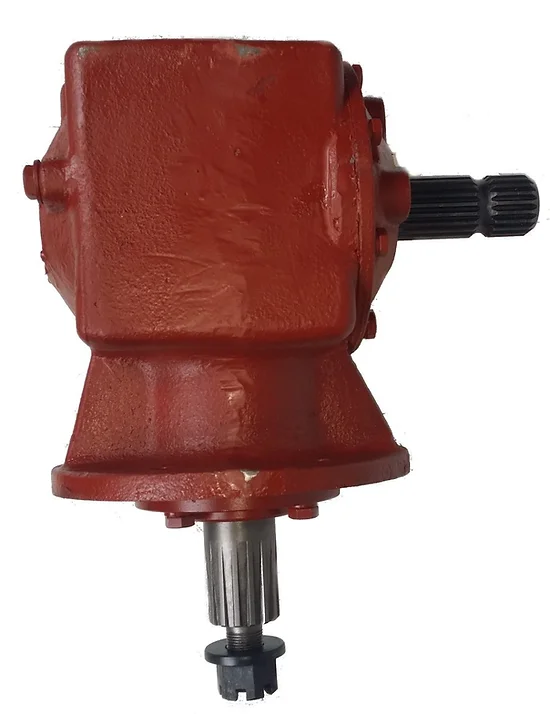
احتياطات السلامة عند العمل مع علب تروس جزازات العشب
يتطلب العمل مع علب تروس جزازات العشب عناية فائقة بالسلامة لتجنب الحوادث والإصابات. اتبع احتياطات السلامة التالية:
- افصل الطاقة: قبل إجراء أي صيانة أو تعديلات، قم بإيقاف تشغيل محرك جزازة العشب وافصل سلك شمعة الإشعال لمنع التشغيل العرضي.
- انتظر حتى يبرد: اترك علبة التروس تبرد إذا كانت تعمل، لأنها قد تصبح ساخنة أثناء التشغيل.
- ارتدِ معدات الوقاية الشخصية: استخدم معدات الحماية الشخصية المناسبة، مثل القفازات ونظارات السلامة والأحذية المغلقة من الأمام، لحماية نفسك من الحطام والأجزاء المتحركة.
- تثبيت جزازة العشب: تأكد من أن جزازة العشب موضوعة على سطح مستو ومثبتة بشكل صحيح قبل محاولة القيام بأي عمل على علبة التروس.
- اقرأ الدليل: يرجى الرجوع إلى دليل جزازة العشب للاطلاع على تعليمات وإجراءات السلامة المحددة المتعلقة بصيانة علبة التروس.
- استخدم الأدوات المناسبة: استخدم دائمًا الأدوات المناسبة للعمل، وتأكد من أنها في حالة جيدة. فالأدوات غير المناسبة قد تؤدي إلى حوادث وأضرار.
- تجنب الملابس الفضفاضة: ارتدي ملابس مناسبة تماماً ولا تخاطر بالانحشار في الأجزاء المتحركة.
- أبقِ يديك بعيداً: أبقِ يديك وأصابعك بعيداً عن علبة التروس والأحزمة أثناء تشغيل المحرك أو أثناء إجراء الصيانة.
- التهوية المناسبة: إذا كنت تعمل في مكان مغلق، فتأكد من التهوية المناسبة لمنع التعرض لأبخرة العادم.
- مهمة واحدة في كل مرة: ركز على مهمة واحدة في كل مرة. تجنب المشتتات وتعدد المهام أثناء العمل على علبة تروس جزازة العشب.
- حافظ على نظافة مكان العمل: حافظ على منطقة العمل نظيفة ومنظمة لتجنب مخاطر التعثر ولضمان سهولة الوصول إلى الأدوات.
- استبدل الحواجز والأغطية: بعد إجراء الصيانة، تأكد من إعادة تركيب جميع الحواجز والأغطية بشكل صحيح قبل تشغيل جزازة العشب.
- التخلص من السوائل بشكل صحيح: إذا كنت بحاجة إلى تصريف السوائل من علبة التروس، فتخلص منها وفقًا للوائح المحلية.
- اطلب المساعدة من المختصين: إذا كنت غير متأكد من أي أعمال صيانة أو إصلاح، أو إذا كانت المهمة تتطلب معرفة متخصصة، فاستشر فنيًا محترفًا أو مركز خدمة معتمد.
إن الالتزام باحتياطات السلامة هذه سيساعدك على العمل بأمان وفعالية مع علب تروس جزازات العشب، مما يقلل من خطر الحوادث والإصابات.
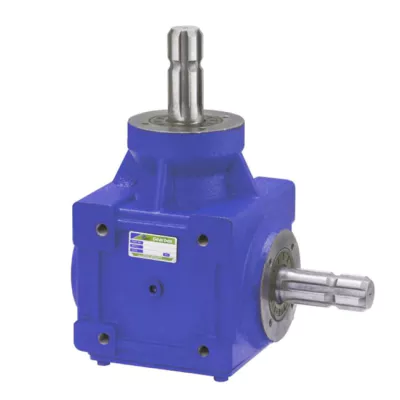
المشاكل الشائعة في علب تروس جزازات العشب وكيفية إصلاحها
قد تتعرض علب تروس جزازات العشب لمشاكل مختلفة مع مرور الوقت. إليك بعض المشاكل الشائعة وحلولها المحتملة:
- تسرب النفط: إذا لاحظت تسرباً للزيت، فافحص الأختام والحشيات. استبدل أي أجزاء تالفة وأعد ملء علبة التروس بالزيت المناسب.
- أصوات غريبة: قد تشير الأصوات غير المعتادة إلى تآكل المحامل أو التروس. افحص علبة التروس بحثًا عن أي تآكل واستبدل أي أجزاء تالفة.
- ارتفاع درجة الحرارة: قد ينتج ارتفاع درجة الحرارة عن انخفاض مستوى الزيت أو الاحتكاك المفرط. تحقق من مستوى الزيت وجودته، وتأكد من التشحيم المناسب.
- أداء ضعيف: إذا لم تعمل علبة تروس جزازة العشب كما هو متوقع، فتحقق من وجود أحزمة مرتخية، أو بكرات غير محاذية، أو تروس تالفة. اضبط الأجزاء أو استبدلها حسب الحاجة.
- الأحزمة المنزلقة: قد يؤدي انزلاق الأحزمة إلى قص غير متساوٍ. تحقق من شد الأحزمة واضبطها وفقًا لمواصفات الشركة المصنعة.
- انقطاع التيار الكهربائي: إذا كانت جزازة العشب تفتقر إلى الطاقة، فتحقق من علبة التروس والأحزمة بحثًا عن أي عوائق، وتأكد من أن التروس تعمل بشكل صحيح.
- اهتزاز: قد ينتج الاهتزاز المفرط عن عدم توازن الشفرات أو تلف مكونات علبة التروس. لذا، يجب موازنة الشفرات وفحص علبة التروس للتأكد من عدم وجود تآكل.
- تروس عالقة: إذا تعطلت التروس، فتحقق من وجود أي شوائب أو تلف. نظف علبة التروس واستبدل أي أجزاء تالفة أو مهترئة.
- المحامل البالية: قد تتسبب المحامل البالية في زيادة الاحتكاك والضوضاء. استبدل المحامل البالية بأخرى جديدة للحفاظ على التشغيل السلس.
- المكونات المصادرة: في حال تعطلت بعض الأجزاء، مثل البكرات أو الأعمدة، افحصها بحثًا عن أي تلف أو تآكل. قم بتشحيم أو استبدال المكونات حسب الحاجة.
في حالة وجود أي مشاكل معقدة أو إذا كنت غير متأكد من الإصلاحات، يُنصح بالرجوع إلى دليل جزازة العشب أو طلب المساعدة من فني محترف أو مركز خدمة معتمد.
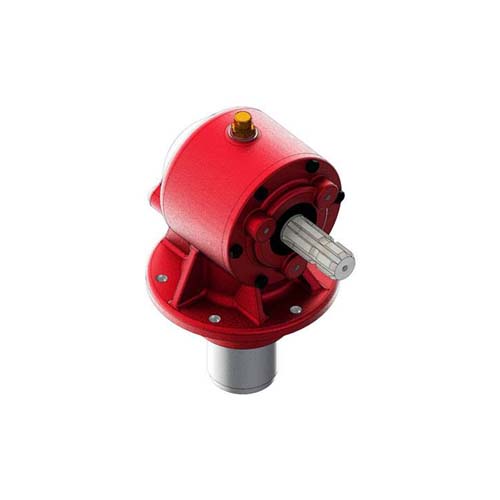
Function of a Mower Gearbox
A mower gearbox operates through a series of gears and components that work together to transmit power and convert the rotational motion of the engine into the cutting action of the blades. Here’s how a typical mower gearbox works:
- Power Input: The mower gearbox receives power from the mower’s engine via a drive shaft.
- Gear Reduction: The gearbox contains a set of gears that are arranged in specific ratios to achieve the required torque and speed conversion. The input gear, connected to the drive shaft, meshes with one or more intermediate gears.
- Torque Conversion: As the input gear turns, it drives the intermediate gears. The gear arrangement within the gearbox results in a reduction of speed and an increase in torque. This is essential for providing the cutting blades with the necessary force to cut through vegetation.
- Blade Connection: The output shaft of the gearbox is connected to the cutting blades. As the gearbox output shaft rotates, it transfers the torque to the blades, causing them to spin.
- Blade Rotation: The rotational motion of the blades is what enables them to cut through grass and other vegetation. The increased torque generated by the gearbox allows the blades to effectively perform cutting or mulching actions.
Modern mower gearboxes are designed for efficiency, durability, and precision. They are often equipped with ball bearings, seals, and lubrication to minimize friction and ensure smooth operation. Some mower gearboxes also include additional features such as adjustable cutting heights, blade synchronization, and directional control to enhance the versatility of the mower.


editor by CX 2024-04-03


