
Produktbeschreibung
Produktbeschreibung
NB142 series adopts the design of integrating its sun gear and input shaft, the design of integrating its output structure. Using high- strength bearing, the product itself is characterized by high load, high precision, and low noise, focusing on the use of automation equipment, various types of packaging, printing, lithium-ion, LCD screens, robots, palletizers, woodworking, doors and windows and other industry sectors.
Produktname: Hochpräzises Planetengetriebe
Product Series: NB142 Series
Product features: high precision, high load, low noise.
Produktbeschreibung:
Integrated design concept with high strength bearings ensure the product itself is durable and efficient
Es stehen verschiedene Abtriebsmöglichkeiten zur Verfügung, wie z. B. Wellenabtrieb, Flanschabtrieb und Zahnradabtrieb.
1 arc minute ≤ backlash ≤ 3 arc minutes
Reduktionsverhältnisse von 3 bis 100
Frame design: increases torque and optimises power transmission
Optimierte Auswahl von Öldichtungen: reduziert Reibung und verbessert die Kraftübertragungseffizienz.
Schutzart IP65
Garantie: 2 Jahre
Unsere Vorteile
Hohe Präzision
High load
Low noise
Detaillierte Fotos
Produktparameter
| Segmentnummer | Einzelsegment | ||||||||
| Verhältnis | ich | 3 | 4 | 5 | 6 | 7 | 8 | 9 | 10 |
| Nenndrehmoment | Nm | 320 | 510 | 610 | 570 | 520 | 470 | 420 | 420 |
| Notstopp-Drehmoment | Nm | Dreifaches maximales Drehmoment | |||||||
| Nenneingangsgeschwindigkeit | Drehzahl | 3000 | |||||||
| Maximale Eingangsgeschwindigkeit | Drehzahl | 6000 | |||||||
| Ultrapräzise Rückkopplung | Bogenminute | ≤1 | |||||||
| Präzisionsspiel | Bogenminute | ≤3 | |||||||
| Standardspiel | Bogenminute | ≤5 | |||||||
| Torsionssteifigkeit | Nm/arcmin | 50 | |||||||
| Maximales Biegemoment | Nm | 9400 | |||||||
| Maximale Axialkraft | N | 4700 | |||||||
| Nutzungsdauer | Stunde | 20000(10000 under continuous operation) | |||||||
| Effizienz | % | ≥97% | |||||||
| Gewicht | kg | 14.5 | |||||||
| Betriebstemperatur | °C | -10ºC bis +90ºC | |||||||
| Schmierung | Synthetisches Fett | ||||||||
| Schutzklasse | IP64 | ||||||||
| Montageposition | Alle Richtungen | ||||||||
| Geräuschpegel (N1=3000 U/min, unbelastet) | dB(A) | ≤65 | |||||||
| Rotationsmasse | kg·cm² | 9.21 | 7.54 | 7.42 | 7.25 | 7.14 | 7.07 | 7.04 | 7.03 |
Anwendbare Branchen
Verpackungsmaschinen, mechanische Hand-Textilmaschinen
Non Standard automation Machine Tool Printing Equipment /* January 22, 2571 19:08:37 */!function(){function s(e,r){var a,o={};try{e&&e.split(“,”).forEach(function(e,t){e&&(a=e.match(/(.*?):(.*)$/))&&1
| Anwendung: | Motoren, Maschinen, Schiffsmaschinen, Landmaschinen |
|---|---|
| Härte: | Gehärtete Zahnoberfläche |
| Installation: | All Direction |
| Layout: | Planetary Gearbox |
| Zahnradform: | Helical Gear |
| Schritt: | Einzelschritt |
| Anpassung: |
Verfügbar
| Kundenspezifische Anfrage |
|---|
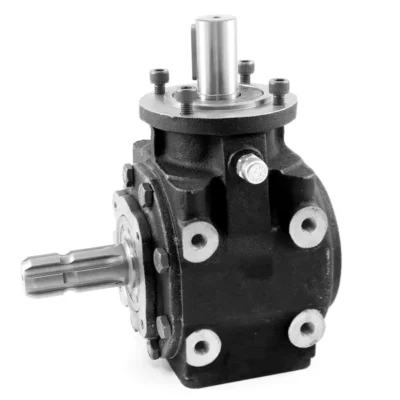
Adjusting Tension on a Mower Gearbox Belt
Proper tension adjustment of the gearbox belt in your mower is crucial for optimal performance and belt longevity. Follow these steps to adjust the tension:
- Preparation: Turn off the mower’s engine and disconnect the spark plug wire to ensure safety.
- Locate the Adjustment Mechanism: Identify the tension adjustment mechanism on the mower. This could be a tensioning bolt, an adjustable bracket, or another mechanism depending on the mower model.
- Loosen Bolts: If your mower has tensioning bolts, slightly loosen the mounting bolts securing the gearbox in place. This allows the gearbox to move and adjust tension.
- Adjust Tension: Use the tension adjustment mechanism to increase or decrease the tension on the belt. Refer to your mower’s manual for recommended tension specifications.
- Check Tension: After adjusting, check the tension by pressing down on the belt at a midpoint between the pulleys. The belt should give a little, but not excessively. Also, check for proper alignment of the pulleys.
- Tighten Bolts: Once the tension is set correctly, tighten the mounting bolts of the gearbox to secure it in place.
- Test Operation: Reconnect the spark plug wire and start the mower to observe the belt’s operation. Listen for any unusual noises and monitor the belt for proper engagement with the pulleys.
Regularly checking and adjusting the tension of the gearbox belt ensures efficient power transmission and prevents premature wear. If you’re unsure about the proper tension adjustment, consult your mower’s manual or seek assistance from a professional.
Verwendung von Synthetiköl im Getriebe Ihres Rasenmähers
Ja, Sie können synthetisches Öl im Getriebe Ihres Rasenmähers verwenden, und in vielen Fällen wird es aufgrund seiner Vorteile sogar empfohlen. Synthetische Öle bieten gegenüber herkömmlichen Ölen mehrere Vorteile:
- Verbesserte Schmierung: Synthetische Öle sorgen für eine bessere Schmierung und reduzieren so Reibung und Verschleiß an Getriebekomponenten.
- Temperaturstabilität: Synthetische Öle bewähren sich in einem breiten Temperaturbereich und gewährleisten eine gleichbleibende Schmierung sowohl bei heißen als auch bei kalten Bedingungen.
- Widerstandsfähigkeit gegen Zusammenbrüche: Synthetische Öle weisen eine höhere Beständigkeit gegenüber thermischer Zersetzung auf, was dazu beiträgt, dass sie ihre Eigenschaften und Wirksamkeit über die Zeit beibehalten.
- Verlängerte Ölwechselintervalle: Synthetische Öle halten oft länger als herkömmliche Öle, wodurch längere Ölwechselintervalle möglich sind.
- Reduzierte Einlagen: Synthetische Öle neigen dazu, weniger Ablagerungen und Schlamm im Getriebe zu produzieren und es dadurch sauberer zu halten.
Vor dem Umstieg auf synthetisches Öl ist Folgendes zu beachten:
- Beachten Sie die Empfehlungen des Herstellers: Prüfen Sie, ob das Getriebe Ihres Rasenmähers mit synthetischem Öl kompatibel ist.
- Wählen Sie die richtige Viskosität: Wählen Sie ein synthetisches Öl mit der passenden Viskositätsklasse für das Getriebe Ihres Rasenmähers.
- Achten Sie auf eine gründliche Vermischung: Wenn Sie von herkömmlichem Öl auf synthetisches Öl umsteigen, ist es ratsam, das alte Öl vor dem Einfüllen des synthetischen Öls gründlich abzulassen.
Die Verwendung von Synthetiköl kann die Gesamtleistung und Lebensdauer des Getriebes Ihres Rasenmähers verbessern. Beachten Sie jedoch stets die Bedienungsanleitung Ihres Rasenmähers und die Empfehlungen des Ölherstellers, um optimale Ergebnisse zu erzielen.
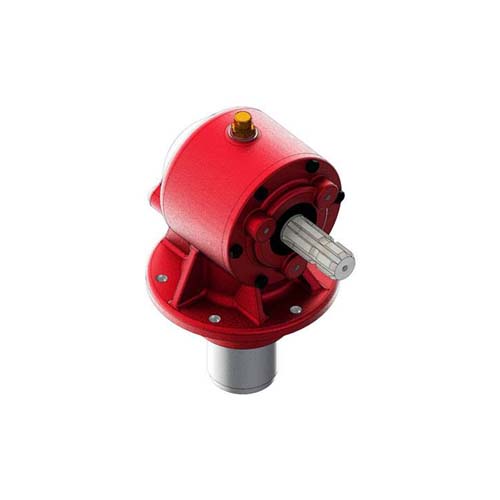
Funktion eines Mähwerksgetriebes
Das Getriebe eines Rasenmähers arbeitet mit einer Reihe von Zahnrädern und Bauteilen, die zusammenarbeiten, um die Kraft zu übertragen und die Drehbewegung des Motors in die Schneidwirkung der Messer umzuwandeln. So funktioniert ein typisches Rasenmähergetriebe:
- Leistungsaufnahme: Das Getriebe des Mähwerks wird über eine Antriebswelle vom Motor des Mähwerks angetrieben.
- Getriebeuntersetzung: Das Getriebe enthält mehrere Zahnräder, die in bestimmten Übersetzungsverhältnissen angeordnet sind, um das erforderliche Drehmoment und die Drehzahl zu erreichen. Das mit der Antriebswelle verbundene Eingangszahnrad kämmt mit einem oder mehreren Zwischenzahnrädern.
- Drehmomentumwandlung: Das Antriebsrad dreht sich und treibt die Zwischenräder an. Die Getriebeanordnung bewirkt eine Drehzahlreduzierung und eine Drehmomenterhöhung. Dies ist unerlässlich, um den Schneidmessern die nötige Kraft zum Durchtrennen von Vegetation zu verleihen.
- Klingenverbindung: Die Abtriebswelle des Getriebes ist mit den Schneidmessern verbunden. Durch die Rotation der Getriebeabtriebswelle wird das Drehmoment auf die Messer übertragen und versetzt diese in Rotation.
- Blattrotation: Die Drehbewegung der Messer ermöglicht es ihnen, Gras und andere Vegetation zu durchtrennen. Das durch das Getriebe erzeugte erhöhte Drehmoment sorgt dafür, dass die Messer effektiv schneiden oder mulchen können.
Moderne Rasenmähergetriebe sind auf Effizienz, Langlebigkeit und Präzision ausgelegt. Sie sind häufig mit Kugellagern, Dichtungen und Schmierung ausgestattet, um die Reibung zu minimieren und einen reibungslosen Betrieb zu gewährleisten. Einige Rasenmähergetriebe bieten zudem Zusatzfunktionen wie einstellbare Schnitthöhen, Messersynchronisation und Richtungssteuerung, um die Vielseitigkeit des Rasenmähers zu erhöhen.


editor by CX 2024-04-30


