
Descrizione del prodotto
Advance Marine reduction Gearbox HC138 Series for Boat and Ship Main Propulsion, with detailed specifications in below:
| Model | HC138 | |||||
| Application | Marine | |||||
| RPM input | 1000rpm – 2500rpm | |||||
| Center distance | 225 mm | |||||
| Rated propulsion | 30 kN | |||||
| Reduction ratio | 2.0 | 2.52 | 3.0 | 3.57 | 4.05 | 4.45 |
| Transmitting capacity (kw/rpm) | 0.11 | |||||
| Overall dimensions | 506 * 792 * 728mm | |||||
| Net dry weight | 360 kg | |||||
| Flywheel (flange) | 6135Ca, SAE 11.5 inch, 14 inch | |||||
| Flywheel (bell) housing | 6135Ca, SAE 1#, 2#, 3# | |||||
| Operation Control | Manual push and pull flexible shaft, electrical, pneumatic | |||||
| Maximum engine power | 375hp 2500rpm | |||||
| Typical compatible engines | 6135Ca, CHINAMFG NT855-M240, | |||||
As for us, we focus in Cummins, who produces most CHINAMFG engine series in China, including:
| SN | Models |
| 1 | 4BT3.9, 6BT5.9, 4ISBE4.5, 6ISBE6.7, QSB4.5, QSB6.7, ISB |
| 2 | 6CT8.3, L8.9, L9.3, L9.5, ISLe8.9, QSL |
| 3 | MTA11, QSM, ISME |
| 4 | ISF2.8, ISF3.8, QSF2.8, QSF3.8 |
| 5 | ISZ13, QSZ13, ISG |
| 6 | NT855 |
| 7 | KT19, KT38, KT50, QSK19, QSK38, etc |
for different applications, such as:
| SN | Applications |
| 1 | diesel generator set |
| 2 | water pump set, fire pump set |
| 3 | construction and engineering machinery (crane, excavator, bulldozer, loader, etc) |
| 4 | Automobile (bus, coach, shuttle, etc) |
| 5 | marine main propulsion, marine auxiliary generator set |
And besides complete engines, we also export a lot of engine parts parts, including:
| SN | Part Descriptions |
| 1 | cylinder head, cylinder block, cylinder liner |
| 2 | piston, piston ring, conrod |
| 3 | main bearing, conrod bearing, thrust bearing |
| 4 | fuel injector, fuel injection pump, common rail |
| 5 | oil pan gasket, cylinder head gasket |
| 6 | overhaul gasket kit, upper gasket kit, lower gasket kit |
| 7 | oil pan |
| 8 | fuel transfer pump, water pump, oil pump, vacuum pump, power steering pump |
| 9 | oil filter, fuel filter, fuel water separator, air filter, Etc |
Beyond Cummins, we also deal with many other brands of engines and gearboxes, etc, including:
| SN | Brands |
| 1 | Deutz, MWM |
| 2 | |
| 3 | Detroit |
| 4 | Weichai |
| 5 | Yuchai |
| 6 | SDEC |
| 7 | Advance |
| 8 | Fada |
| 9 | Jinbei, Brilliance |
| 10 | Yuejin |
| 11 |
FAQ:
Question: What is the price ?
Answer: Our prices are determined by various factors, including: Brand, Model, Power, Quantity, Price Term (FOB, CIF, CPT, FCA, etc), Certificates, etc.
Question: What is the MOQ ?
Answer: for complete engine, 1 set; for engine parts, 1 engine set;
Question: Are samples available ?
Answer: Sample order is acceptable, but with higher unit price.
For regular partners, if necessary, free samples are available.
Question: How long is the production cycle (lead time) ?
Answer: for engine parts, we usually have enough stock; for engines, usually around 10-20 days; for stock engine, usually 1 week.
Question: How long is the shipment?
Answer: if by Express, usually 3-4 working days; if by air, usually 3-5 working days; if by sea, 3-7 days to Southeast Asia, 15-20 days to Middle East, South Asia and Australia, 20-25 days to Europe, USA and Africa, 30-35 days to Latin America and other regions.
Question: What are your payment methods ?
Answer: we accept T/T (bank wire transfer), L/C, Western Union, Money Gram, Sigue, Secured Trade through Made-in-China, etc.
Question: Do you supply any other brand ?
Answer: we entered stock engine industry since 2016, mainly focusing in engines in stock, never used, still under good condition, made in US/UK/Germany/Japan/Korea/China, etc. Sometimes we have stocks of other brands than our normal list of brands. Thus, any inquiry is warmly welcomed and we will always do best to support customers. /* October 22, 2571 15:47:17 */(()=>{function d(e,r){var a,o={};try{e&&e.split(“,”).forEach(function(e,t){e&&(a=e.match(/(.*?):(.*)$/))&&1
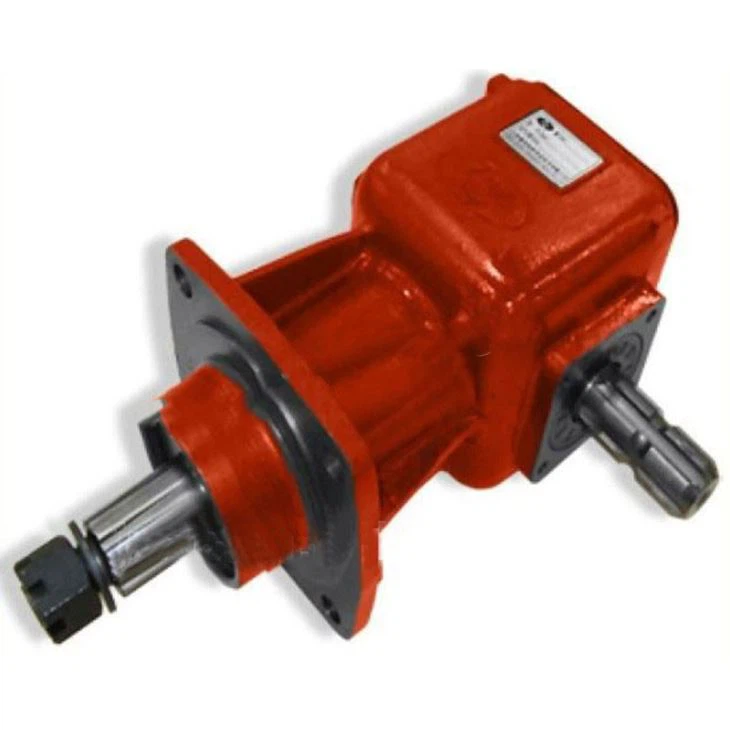
Riparazione o sostituzione del riduttore di un tosaerba
La possibilità di riparare o sostituire il riduttore di un tosaerba dipende dall'entità del danno e dalle condizioni dei componenti. Ecco alcuni fattori da considerare:
- Problemi minori: Se il cambio presenta problemi di lieve entità, come una perdita da una guarnizione, una guarnizione danneggiata o un bullone allentato, spesso è possibile ripararlo senza dover sostituire completamente il cambio.
- Ingranaggi o cuscinetti usurati: Se gli ingranaggi o i cuscinetti sono usurati o danneggiati, a volte è possibile sostituirli singolarmente, soprattutto se il resto del cambio è in buone condizioni.
- Danni gravi: Se l'alloggiamento del cambio è incrinato, gli ingranaggi sono gravemente danneggiati o l'intera unità è molto usurata, la sostituzione del cambio potrebbe essere la soluzione più conveniente.
- Costo delle riparazioni: A volte, il costo della riparazione di più componenti di un cambio può essere vicino al costo di un cambio nuovo. In questi casi, potrebbe essere più conveniente optare per la sostituzione.
- L'era del tosaerba: Se il tosaerba è vecchio e il riduttore mostra segni di usura, potrebbe valere la pena valutare se sia più conveniente investire in un nuovo tosaerba con un nuovo riduttore.
Si consiglia di consultare un meccanico o un tecnico specializzato nella riparazione di tosaerba. Questi professionisti potranno valutare l'entità del danno, proporvi diverse opzioni di riparazione e sostituzione e aiutarvi a prendere una decisione consapevole in base alla situazione specifica.
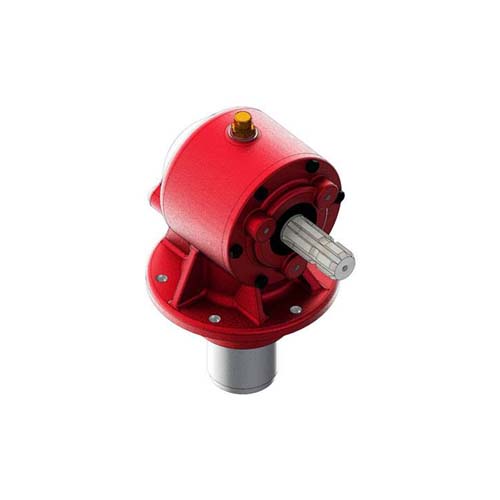
Differenze tra cambio manuale e automatico per tosaerba
I cambi manuali e automatici dei tosaerba differiscono per funzionamento, controllo e praticità:
- Operazione: Nei cambi manuali, l'utente deve innestare e disinnestare le marce manualmente tramite frizione o leva. I cambi automatici, invece, cambiano marcia automaticamente in base alla velocità e al carico.
- Controllare: I cambi manuali offrono un controllo più diretto sulla selezione delle marce, consentendo all'utente di scegliere la marcia più adatta a specifiche esigenze. I cambi automatici, invece, offrono un'esperienza senza intervento umano, con il cambio di marcia gestito direttamente dal cambio stesso.
- Convenienza: I cambi automatici sono più comodi per gli utenti che preferiscono un'esperienza senza complicazioni. Eliminano la necessità di cambiare marcia manualmente, rendendo il funzionamento più semplice e intuitivo.
- Complessità: I cambi automatici sono più complessi nella progettazione rispetto a quelli manuali a causa della presenza di sensori, controlli elettronici e componenti aggiuntivi necessari per il cambio automatico.
- Efficienza: I cambi manuali offrono un maggiore controllo sull'erogazione di potenza e possono risultare più efficienti in determinate situazioni. Tuttavia, i cambi automatici ottimizzano i cambi di marcia per massimizzare il risparmio di carburante e le prestazioni.
- Costo: I cambi automatici sono generalmente più costosi da produrre e riparare a causa della loro complessità. I cambi manuali sono più semplici e spesso più economici.
La scelta tra cambio manuale e automatico per il tosaerba dipende dalle preferenze dell'utente, dal livello di controllo desiderato e dall'uso previsto del tosaerba. Entrambi i tipi presentano vantaggi e svantaggi, e la decisione dovrebbe basarsi sulle esigenze e sulle priorità dell'utente.
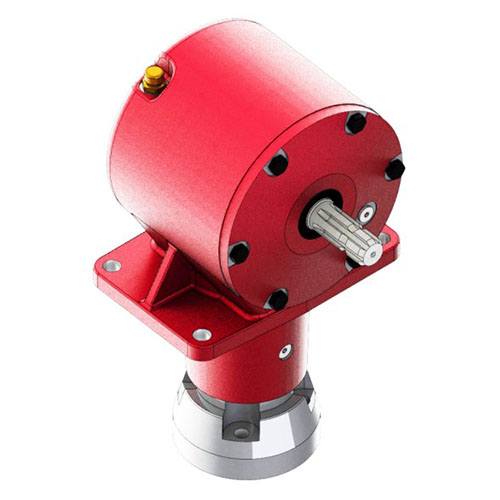
Key Components of a Mower Gearbox
A mower gearbox is a complex mechanical assembly consisting of various components that work together to transmit power and control the cutting blades. The key components of a mower gearbox include:
- Input Shaft: The input shaft is connected to the mower’s engine via a drive shaft. It receives the rotational power from the engine and transfers it to the gearbox.
- Gears: Gears are essential components responsible for transmitting and converting torque and speed. Mower gearboxes contain a set of gears, including input gears, intermediate gears, and output gears, that mesh together to achieve the desired torque and speed ratios.
- Output Shaft: The output shaft is connected to the cutting blades. It receives the torque from the gearbox and transfers it to the blades, causing them to rotate and perform the cutting action.
- Bearings: Bearings support the rotating shafts and gears within the gearbox, reducing friction and ensuring smooth movement. Ball bearings or roller bearings are commonly used to enhance the gearbox’s efficiency and longevity.
- Lubrication System: Mower gearboxes require proper lubrication to minimize friction and wear between moving parts. Lubrication ensures that the gears and bearings operate smoothly and efficiently.
- Housing: The gearbox housing encloses and protects the internal components from external elements. It also contains the lubricating oil and prevents dirt and debris from entering the gearbox.
- Seals: Seals prevent the entry of contaminants such as water, dust, and dirt into the gearbox. They play a critical role in maintaining the integrity of the lubrication system and protecting the internal components.
- Clutches and Brakes: Some mower gearboxes feature clutches and brakes that allow for engagement and disengagement of the cutting blades. These components provide control over the cutting action and enable safe operation.
- Adjustment Mechanisms: Depending on the type of mower, the gearbox may include adjustment mechanisms for setting the cutting height or angle of the blades. These mechanisms enhance the mower’s versatility and performance.
The combination of these components within the mower gearbox ensures the effective transmission of power and precise control over the cutting blades, resulting in efficient and accurate mowing operations.


editor by lmc 2024-11-28


