
Описание продукта
WPDO speed reducer,; worm gear box
| Rated Power | 1.;5kw |
| Output Speed | 23~140rpm |
| Output Torque | 19-2745n.;M |
| Ratio | 1/10~1/60 |
Model NO.;:; WP series Manufacturing Method:; Cast Gear
Toothed Portion Shape:; Spur Gear Type:; Worm and Wormwheel
Gearing Arrangement:; Worm Output Torque:; 19-2745n.;M
Rated Power:; 1.;5kw Input Speed:; 1400
Output Speed:; 23~140rpm Place of Origin:; ZHangZhoug,;China
Model Number:; Wpdo Brand Name:; EED
Color:; Green,;Yellow or According to Custom Extra Service:; OEM Welcome!!!
Specification:; SGS,; ISO9001 Origin:; ZHangZhoug,; China
HS Code:; Worm gear box
1.; Widely used in turbines,; shaft liners and axletrees,; good resistance to wearing,; with high precision in dimensions,; lower noise,; advanced centric running castings
2.; Without vent and highly precision
3.; The whole structure is compact and the weight is larger
1.; Notice of installation
1.;1 Thebase-plate must be plane and stoutness,; and the base-plate must be screwed downand shockproof.;
1.;2 Theconnecting shaft of prime mover,; reducer and operation device must be coaxialinstallation.;
1.;3 Thediameter tolerance zone of input and output shaft is H6,; the holes of fittings(such as couplings,; belt-pulley,; sprocket wheel and so on); must properly matethe shaft,; which prevents bearing from breakage because of over-loose mate.;
1.;4 Driverssuch as sprocket wheel and gear must be fitted close to bearings in order toreduce bending stress of hanging shaft.; 1.;5 Whiteassembling motor of WPD reducer,; it is necessary that proper amount of butterapplies to the worm shaft input hole and keyway,; avoiding assembling tootightly and rusting after using for a long time.; 1.;6 WhenOrdering or using all kinds of WPD type,; if the motor weight is binger than thecommon,; supporting set is required.;
2.; Notices of usage
2.;1 Before using,; please check carefully whether the reducer model,; distance,; ratio,; input connecting method,; output shaft structure,; input and output shaftdirection and revolving direction accord with requirement.;
2.;2 According to the requirement of selecting lubricant oil in the productmanual,; please fill proper category and brand lubricant.; And then screw on thevent-plug; Unlock the small cone-plug of vent-plug.; Only after doing these,; reducer is already for starting up running.; The proper brand and adequatelubricant oil is required,; replacing oil in time conforming to the request ofproduct manual is also necessary,; especially after using first 100 hours,; it isrequired refilling new oil.;
2.;3 Whenabnormal circumstances occur,; please stop and check reducer per solutions andreasons for faults of reducer (allowable highest oil temperature is 95,; under this temperature limit,; ifoil temperature no more goes up,; please let reducer continue running);
| Приложение: | Автомобили, машины, сельскохозяйственная техника |
|---|---|
| Твердость: | Затвердевшая поверхность зуба |
| Установка: | Горизонтальный тип |
| Макет: | Коаксиальный |
| Форма шестерни: | Conical – Cylindrical Gear |
| Шаг: | Single-Step |
| Настройка: |
Доступный
| Индивидуальный запрос |
|---|
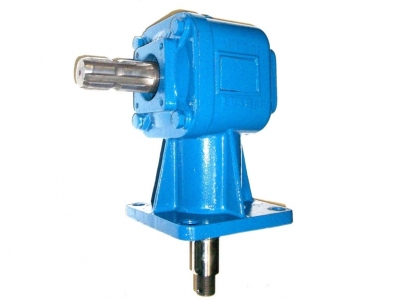
Lubrication Frequency for Mower Gearbox
The frequency of lubricating your mower gearbox depends on the manufacturer’s recommendations, usage intensity, and operating conditions. Here are some general guidelines:
- Regular Maintenance: It’s recommended to lubricate your mower gearbox at the beginning of the mowing season or after about 25-50 hours of operation.
- Heavy Usage: If you’re using your mower frequently or in challenging conditions such as dusty or wet environments, you might need to lubricate more often, perhaps every 10-20 hours of operation.
- Check the Manual: Consult your mower’s user manual for specific lubrication intervals and the type of lubricant to use. Different mowers and gearboxes might have varying requirements.
- Inspect Regularly: Keep an eye on the gearbox for any signs of oil leakage or unusual noise. If you notice any issues, it’s a good idea to inspect and lubricate the gearbox as needed.
Using the right type of lubricant is crucial for optimal gearbox performance. Make sure to use a high-quality lubricating oil recommended by the manufacturer. Always follow proper lubrication procedures outlined in the user manual to ensure the longevity and efficiency of your mower gearbox.
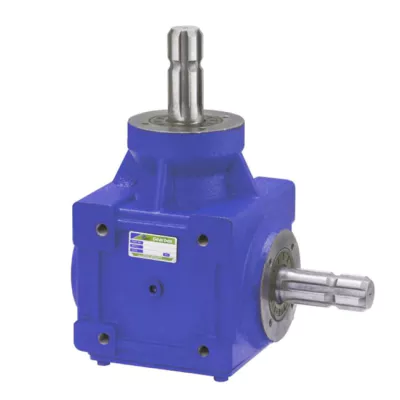
Common Problems with Mower Gearboxes and How to Fix Them
Mower gearboxes can experience various issues over time. Here are some common problems and their potential solutions:
- Утечка масла: If you notice oil leaks, inspect the seals and gaskets. Replace any damaged components and refill the gearbox with the appropriate oil.
- Strange Noises: Unusual noises can indicate worn bearings or gears. Inspect the gearbox for wear and replace any damaged parts.
- Overheating: Overheating can result from low oil levels or excessive friction. Check the oil level and quality, and ensure proper lubrication.
- Poor Performance: If the mower gearbox isn’t performing as expected, check for loose belts, misaligned pulleys, or damaged gears. Adjust or replace parts as needed.
- Slipping Belts: Slipping belts can cause uneven cutting. Check the tension of the belts and adjust them to the manufacturer’s specifications.
- Lack of Power: If the mower lacks power, check the gearbox and belts for obstructions, and make sure the gears are functioning properly.
- Vibration: Excessive vibration can result from imbalanced blades or damaged gearbox components. Balance the blades and inspect the gearbox for wear.
- Stuck Gears: If gears become stuck, check for debris or damage. Clean the gearbox and replace any worn or damaged parts.
- Worn Bearings: Worn bearings can cause increased friction and noise. Replace worn bearings with new ones to maintain smooth operation.
- Seized Components: If parts are seized, such as pulleys or shafts, inspect for damage or corrosion. Lubricate or replace components as needed.
For any complex issues or if you’re unsure about repairs, it’s recommended to consult the mower’s manual or seek help from a professional technician or authorized service center.
Признаки неисправности редуктора газонокосилки
Неисправный редуктор газонокосилки может привести к снижению производительности и потенциально дорогостоящему ремонту, если проблему не устранить своевременно. Вот некоторые распространенные признаки того, что редуктор вашей газонокосилки может испытывать проблемы:
- Необычные звуки: Скрежет, стуки или визг во время работы могут указывать на износ или повреждение шестерен или подшипников в редукторе.
- Потеря электропитания: Если ваша газонокосилка с трудом косит траву или неэффективно движется вперед, это может быть связано с проблемой в редукторе, влияющей на передачу мощности.
- Трудности при переключении передач: Если ваша газонокосилка оснащена механической коробкой передач, затрудненное переключение передач или самопроизвольное смещение шестерен могут указывать на неисправность коробки передач.
- Утечка масла: Видимые утечки масла вокруг корпуса коробки передач указывают на возможную проблему с уплотнением или прокладкой, требующую внимания.
- Чрезмерная вибрация: Чрезмерная вибрация или тряска во время работы газонокосилки могут указывать на смещение шестерен или другие внутренние проблемы в редукторе.
- Неравномерная нарезка: Если ваша газонокосилка оставляет неровные участки травы, это может быть связано с проблемой в редукторе, влияющей на синхронизацию лезвий.
- Отложенное помолвка: Задержка между включением трансмиссии и началом движения газонокосилки может указывать на проблему с механизмом включения коробки передач.
- Запах гари: Запах гари или перегрева может быть результатом трения, вызванного поврежденными или неправильно смазанными компонентами коробки передач.
Если вы заметили какие-либо из этих признаков, крайне важно незамедлительно устранить проблему. Игнорирование проблем с коробкой передач может привести к дальнейшим повреждениям и более дорогостоящему ремонту в будущем. Рекомендуется обратиться к специалисту для точной диагностики и правильного ремонта.


editor by CX 2023-10-20


