
Opis produktu
Opis produktu
ATA Series Shaft mounted Gearbox Reducer SMR Series Shaft mounted Gearbox Reducer
ATA series shaft mounted gearbox(speed reducer) with helical hardened gears has the characteristics of high carrying capacity, smooth transmission, light weight, low energy consumption and so on. Input shaft of ATA speed reducer is connected with gear motor by belt pulley, hollow output shaft is linked with a key. It can be replaced by electric drum as power for belt conveyors and lifting equipments. ATA series shaft mounted gearbox could be attached with back-stop to avoid the working machine back skating, and conveniently mounted by tie rod. ATA series shaft mounted speed reducer is widely applied in the mining equipments, concrete mixing batching plant, stone crushers, sand making production line and other belt conveyors, mechanical transmission areas.
Mechanical belt conveyors drive system is composed of ATA shaft mounted speed reducer, torque arm, pulleys and gear motors, whose power transmission from the gear motor to the gearbox through the pulley, and then speed reducer passed to the drive pulley through the hollow output shaft and the gearbox is fixed by torque arm, anti-slip device can be configured. The system is convenient to install,use and maintain.
Features
Mounting Type: Tie rod Hanging shaft mounted
Output Shaft: Single key hollow shaft, each model can select 3 hollow diameter at most.
Gearbox Housing: Hard Iron Steel, can be used outside.
Anti-slip device: Can suit for any model, It’s very convenient to be mounted.
Aplikacja
Stone crushers plant , Cement plant, Concrete batch mixing plant, Mining conveyors, Port transfer
conveyor, Crushing machine, etc ···
Characteristic
1) All gears are heat treated and fixed to achieve low noise and high output
2) Mounting dimensions are interchangeable with Fenner
Parametry produktu
| TA Shaft Mounted Reducer | Output Shaft Bore [mm] | Ratio(i) | Rated torque | |
| TA30 | Φ30 | 7, 10, 12.5 | 180N.m | |
| TA35 | Φ35 | 5,10,15,20,25 | 420N.m | |
| TA40 | Φ40 | 5,10,12.5,15,20,25 | 900N.m | |
| Φ45 | ||||
| TA45 | Φ45 | 5,10,12.5,15,20,25 | 1400N.m | |
| Φ50 | ||||
| Φ55 | ||||
| TA50 | Φ50 | 5,10,12.5,15,20,25 | 2300N.m | |
| Φ55 | ||||
| Φ60 | ||||
| TA60 | Φ60 | 5,10,12.5,15,20,25 | 3600N.m | |
| Φ70 | ||||
| TA70 | Φ70 | 5,10,12.5,15,20,25,31 | 5100N.m | |
| Φ85 | ||||
| TA80 | Φ80 | 5,10,12.5,15,20,25,31 | 7000N.m | |
| Φ100 | ||||
| TA100 | Φ100 | 5,10,12.5,15,20,25,31 | 11000N.m | |
| SMR Model No. |
Output Shaft Bore [mm] |
Ratio(i) | ||
| Standard | Alternative | 5:1 13:1 20:1 |
||
| B | Φ30 | Φ40 | ||
| C | Φ40 | Φ50 | ||
| D | Φ50 | Φ55 | ||
| E | Φ55 | Φ65 | ||
| F | Φ65 | Φ75 | ||
| G | Φ75 | Φ85 | ||
| H | Φ85 | Φ100 | ||
| J | Φ100 | Φ120 | ||
Production Process
| Aplikacja: | Industry |
|---|---|
| Twardość: | Utwardzona powierzchnia zęba |
| Instalacja: | 90 Degree |
| Personalizacja: |
Dostępny
| Spersonalizowane żądanie |
|---|
.shipping-cost-tm .tm-status-off{tło: brak;wypełnienie: 0;kolor: #1470cc}
|
Koszt wysyłki:
Szacowany koszt frachtu na jednostkę. |
o kosztach wysyłki i szacowanym czasie dostawy. |
|---|
| Metoda płatności: |
|
|---|---|
|
Płatność początkowa Pełna płatność |
| Waluta: | US$ |
|---|
| Zwroty i zwroty pieniędzy: | O zwrot pieniędzy możesz ubiegać się w ciągu 30 dni od otrzymania produktów. |
|---|
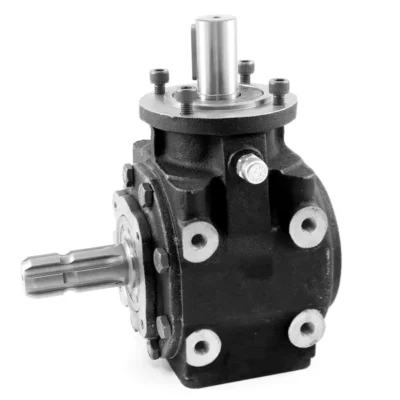
Regulacja napięcia paska przekładniowego kosiarki
Prawidłowe naprężenie paska przekładni w kosiarce jest kluczowe dla optymalnej wydajności i długiej żywotności paska. Aby wyregulować naprężenie, wykonaj następujące czynności:
- Przygotowanie: Wyłącz silnik kosiarki i odłącz przewód świecy zapłonowej, aby zapewnić bezpieczeństwo.
- Zlokalizuj mechanizm regulacji: Zidentyfikuj mechanizm regulacji naciągu kosiarki. Może to być śruba naciągowa, regulowany wspornik lub inny mechanizm, w zależności od modelu kosiarki.
- Odkręcanie śrub: Jeśli kosiarka ma śruby napinające, lekko poluzuj śruby mocujące przekładnię. Pozwoli to na ruch przekładni i regulację naprężenia.
- Regulacja napięcia: Użyj mechanizmu regulacji naciągu, aby zwiększyć lub zmniejszyć naciąg paska. Zalecane parametry naciągu znajdziesz w instrukcji obsługi kosiarki.
- Sprawdź napięcie: Po regulacji sprawdź napięcie paska, dociskając go w połowie odległości między kołami pasowymi. Pasek powinien lekko, ale nie nadmiernie, ugiąć się. Sprawdź również prawidłowe ustawienie kół pasowych.
- Dokręcanie śrub: Po ustawieniu prawidłowego napięcia należy dokręcić śruby mocujące skrzynię biegów, aby ją zabezpieczyć.
- Operacja testowa: Podłącz przewód świecy zapłonowej i uruchom kosiarkę, aby sprawdzić działanie paska. Nasłuchuj nietypowych dźwięków i sprawdzaj, czy pasek prawidłowo zazębia się z kołami pasowymi.
Regularne sprawdzanie i regulacja naciągu paska przekładni zapewnia efektywne przenoszenie mocy i zapobiega jego przedwczesnemu zużyciu. W razie wątpliwości co do prawidłowej regulacji naciągu, zapoznaj się z instrukcją obsługi kosiarki lub skonsultuj się ze specjalistą.
Stosowanie oleju syntetycznego w skrzyni biegów kosiarki
Tak, możesz użyć oleju syntetycznego w przekładni kosiarki i w wielu przypadkach jest to zalecane ze względu na jego zalety. Oleje syntetyczne oferują kilka zalet w porównaniu z olejami konwencjonalnymi:
- Ulepszone smarowanie: Oleje syntetyczne zapewniają lepsze smarowanie, redukując tarcie i zużycie elementów skrzyni biegów.
- Stabilność temperaturowa: Oleje syntetyczne sprawdzają się w szerokim zakresie temperatur, gwarantując stałe smarowanie zarówno w warunkach wysokich, jak i niskich temperatur.
- Odporność na awarie: Oleje syntetyczne są bardziej odporne na rozkład termiczny, dzięki czemu zachowują swoje właściwości i skuteczność przez długi czas.
- Wydłużone okresy między wymianami oleju: Oleje syntetyczne często wystarczają na dłużej niż oleje konwencjonalne, co pozwala na wydłużenie okresów między wymianami oleju.
- Obniżone depozyty: Oleje syntetyczne wytwarzają mniej osadów i szlamu w skrzyni biegów, dzięki czemu jest ona czystsza.
Przed przejściem na olej syntetyczny ważne jest, aby:
- Sprawdź zalecenia producenta: Sprawdź, czy skrzynia biegów Twojej kosiarki jest kompatybilna z olejem syntetycznym.
- Wybierz odpowiednią lepkość: Wybierz olej syntetyczny o odpowiedniej klasie lepkości dla przekładni kosiarki.
- Zadbaj o właściwe wymieszanie: Jeśli zmieniasz olej konwencjonalny na syntetyczny, warto dokładnie spuścić stary olej przed dodaniem oleju syntetycznego.
Stosowanie oleju syntetycznego może przyczynić się do poprawy ogólnej wydajności i wydłużenia żywotności przekładni kosiarki. Zawsze jednak zapoznaj się z instrukcją obsługi kosiarki i zaleceniami producenta oleju, aby uzyskać najlepsze rezultaty.
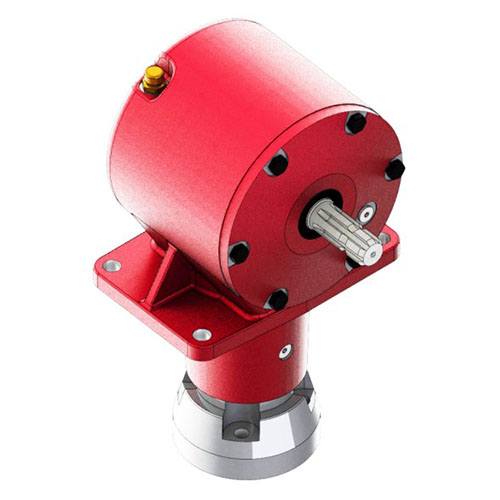
Key Components of a Mower Gearbox
A mower gearbox is a complex mechanical assembly consisting of various components that work together to transmit power and control the cutting blades. The key components of a mower gearbox include:
- Input Shaft: The input shaft is connected to the mower’s engine via a drive shaft. It receives the rotational power from the engine and transfers it to the gearbox.
- Gears: Gears are essential components responsible for transmitting and converting torque and speed. Mower gearboxes contain a set of gears, including input gears, intermediate gears, and output gears, that mesh together to achieve the desired torque and speed ratios.
- Output Shaft: The output shaft is connected to the cutting blades. It receives the torque from the gearbox and transfers it to the blades, causing them to rotate and perform the cutting action.
- Bearings: Bearings support the rotating shafts and gears within the gearbox, reducing friction and ensuring smooth movement. Ball bearings or roller bearings are commonly used to enhance the gearbox’s efficiency and longevity.
- Lubrication System: Mower gearboxes require proper lubrication to minimize friction and wear between moving parts. Lubrication ensures that the gears and bearings operate smoothly and efficiently.
- Housing: The gearbox housing encloses and protects the internal components from external elements. It also contains the lubricating oil and prevents dirt and debris from entering the gearbox.
- Seals: Seals prevent the entry of contaminants such as water, dust, and dirt into the gearbox. They play a critical role in maintaining the integrity of the lubrication system and protecting the internal components.
- Clutches and Brakes: Some mower gearboxes feature clutches and brakes that allow for engagement and disengagement of the cutting blades. These components provide control over the cutting action and enable safe operation.
- Adjustment Mechanisms: Depending on the type of mower, the gearbox may include adjustment mechanisms for setting the cutting height or angle of the blades. These mechanisms enhance the mower’s versatility and performance.
The combination of these components within the mower gearbox ensures the effective transmission of power and precise control over the cutting blades, resulting in efficient and accurate mowing operations.


editor by CX 2023-12-12


